Singeing
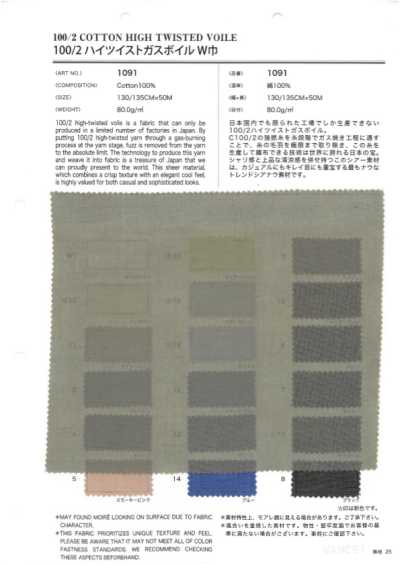
Singeing is a finishing process that burns off the surface fuzz on textiles and yarn with flame or heat, smoothing the surface and improving the appearance and the results of subsequent processes.
Contents6 sections
Definition and Overview
Singeing is a finishing process that burns off the fine fuzz on woven or knitted fabrics or yarn, mainly using a flame or a high-temperature heat source. It is performed to reduce fuzziness and even out the fabric surface. It is often used on fabrics made with yarn spun from short fibers such as cotton.
The process may be carried out in combination with dyeing or other finishing steps. Whether a fabric is singed or not does not determine overall fabric performance on its own; raw materials, yarn, weave or knit structure, dyeing, softening, and other factors also affect the final hand.
Characteristics and Appearance
As fuzz is reduced, surface roughness is suppressed and the fabric tends to have a cleaner appearance. Because smoothness improves, it is also used when you want to enhance dye brilliance or sharpen the outline of printed patterns. Depending on the fabric, the reflection of light may become more even, giving a slight sheen.
On the other hand, fabrics without singeing tend to retain fiber fuzz and natural unevenness, creating a rustic or vintage-like look. Whether or not to singe is not a matter of better or worse; it is chosen according to the design intent, such as whether to pursue a clean surface or make use of the material's texture.
Main Applications
Singed fabrics are used for shirts, blouses, cut-and-sew tops, bottoms, linings, and similar items that take advantage of a smooth surface and clean color development. They are mainly adopted for light to medium-weight cotton woven and knitted fabrics, regardless of season.
They are also suitable for dark-colored fabrics where you want to reduce the whitish look caused by fuzz, as well as for designs that need patterns or prints to appear clearly. However, because the appearance changes depending on the degree of singeing and any after-finishing, it is important to check both the front and back appearance and the hand with an actual swatch.
Selection and Handling Notes
When selecting, in addition to whether the fabric is singed, check the finishing conditions such as mercerization, brushing, and softening. If mercerization is applied after singeing, gloss and dyeability may be further improved, but the two are separate processes with different purposes and steps.
Singeing is not a shrink-proofing process, so post-wash shrinkage should be checked according to the material, weave or knit structure, after-finishing, and washing conditions. Before mass production, conduct washing tests and evaluate shrinkage, skew, and color loss based on the fabric specifications.
In sewing, set the needle, thread, and stitching conditions suitable for the material and thickness, just as with ordinary fabrics. On fabrics with a smooth surface, needle damage, presser marks, and fading may stand out, so test-stitch in a less visible area and also check pressing conditions.
- If heat-sensitive fibers are included, confirm in advance whether singeing is possible and what processing method should be used.
- Changing to a specification without singeing may alter the color appearance and surface feel.
- Washing and drying should follow the product's care label and the fabric's handling conditions.
Differences from Similar Terms
Singeing and mercerization are often confused, but singeing is mainly a process that burns off fuzz. Mercerization refers to a process that treats cotton with chemicals to improve gloss, strength, dyeability, and other properties. The two can be combined, but they are not the same.
Brushing is a process that raises the fibers on the fabric surface to create fuzz and obtain warmth and a soft hand. Singeing reduces unnecessary fuzz to even out the surface, so its direction of surface change is the opposite of brushing.
Frequently Asked Questions
Does singeing make fabric less likely to shrink?
Singeing itself is mainly a process that removes surface fuzz and is not intended to prevent shrinkage. The degree of shrinkage varies depending on the material, structure, dyeing and finishing, and post-sewing washing and drying conditions. For products where shrinkage is important, check separately whether shrink-proofing has been applied and the results of washing tests.
Is fabric without singeing of lower quality?
No singeing does not mean poor quality. Some fabrics intentionally leave fuzz and natural unevenness to create softness, fullness, a rustic look, or a vintage-like atmosphere. Choose whether to singe based on the appearance, hand, and print suitability required for the product being planned.
Can singeing and brushing be used together?
Depending on the process and purpose, they may be used together, but singeing reduces fuzz while brushing raises it. Therefore, if you want the final surface to have a brushed look, you need to confirm the order of each step and its effect on the finish with the fabric manufacturer or processing mill.