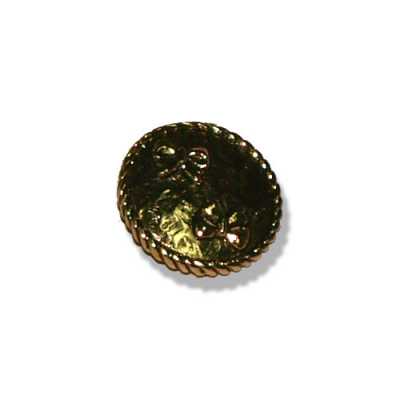
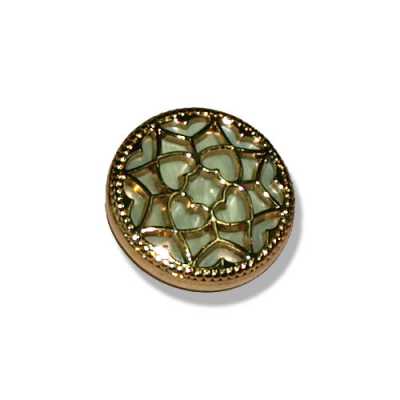
Single-plate / Hollow
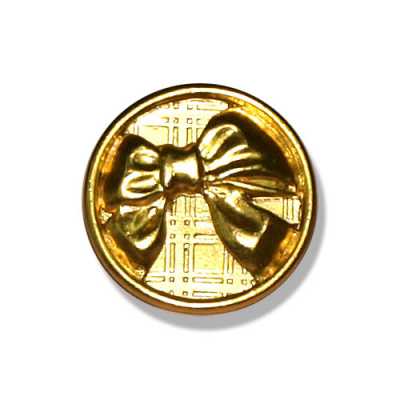
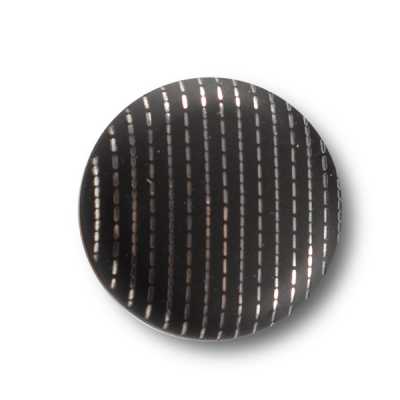
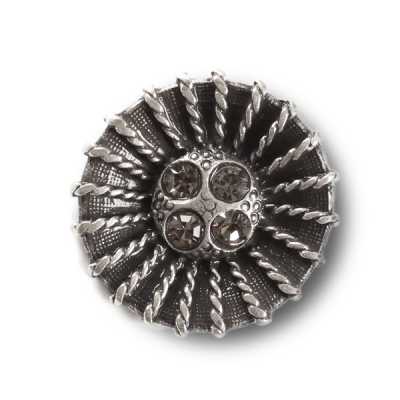
Single-plate / hollow is a term used to indicate the body structure of a metal button. It refers to one made by shaping a single metal plate, and one shaped and assembled to have a hollow interior.
Contents6 sections
Definition and Overview
Single-plate / hollow is a term used to distinguish the body structure of metal buttons. Single-plate refers to a relatively thin body shaped from a metal plate by pressing or similar processes, while hollow refers to a structure assembled from front and back metal parts with a space inside.
Both can be combined with surface designs such as patterns, stamping, plating, and painting. Even when they look similar, the cross-sectional structure, thickness, weight, and the specification of the sewing shank differ, so in specifications the body structure and shank shape are checked separately.
Materials and Structure
Materials used include metals such as brass. Single-plate buttons are formed into a flat shape or a slightly domed shape, and may have a specification in which a ring shank or half ring shank is attached to the back. A ring shank is a loop-shaped shank and is the part through which thread is passed for sewing.
The hollow structure makes it easier to express a raised, three-dimensional form and may reduce weight relative to the outer diameter. However, the strength of the joined components and resistance to deformation vary by product. Unlike buttons with holes, these are often shank buttons.
- Single-plate: a flat or shallow three-dimensional shape based on a single metal plate
- Hollow: a three-dimensional shape formed and assembled from multiple parts with an internal space
- Ring shank / half ring shank: loop-shaped sewing shanks provided on the back
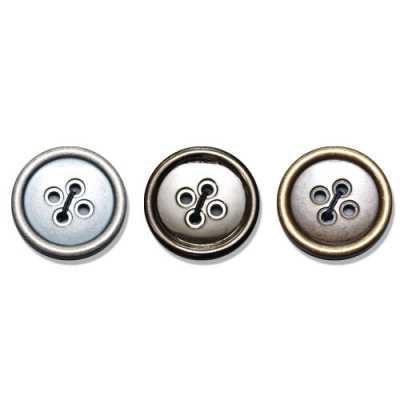
- Two-hole buttons / four-hole buttons: because thread passes through holes in the body, their structure differs from shank buttons
Size Notation and Applications
The outer diameter of a button is shown in mm as well as in lignes. Ligne is a conventional unit indicating button diameter, and when ordering, it is safer to check the mm dimensions as well rather than relying only on the ligne notation. If there is decorative overhang or a domed shape, also check the thickness and shank height.
Single-plate / hollow metal buttons are used for front openings and cuffs on jackets, blazers, coats, blousons, pants, and uniforms. They are especially chosen for areas where design appeal and a moderate visual presence are desired, but selection must take into account textile thickness, buttonhole size, and the load during wear.
Attachment and Handling Notes
For shank buttons, do not pull the thread too tightly against the base of the shank; if necessary, make a thread shank wrap to leave enough clearance for passing through the buttonhole. Where the textile is thin or the force during fastening and unfastening is high, adding a support button on the back can help distribute the load on the textile.
Whether washing, dry cleaning, or ironing is allowed depends on the button body material, surface finish, and bonding or assembly method. Metals may discolor due to moisture, sweat, detergent components, and so on, and strong impact can cause deformation, scratches in the surface finish, or damage to the joints.
Before mass production, make a sewing sample using the actual textile and sewing thread, and check the passage through the buttonhole, shank looseness, and appearance after washing or dry cleaning. Avoid applying a hot iron directly for a long time, which is also important for protecting the surface finish.
Differences from Similar Terms
Single-plate / hollow is a classification that describes the internal structure of the body. Metal button is a classification by material, and either single-plate or hollow can fall into this category. Shank buttons are a classification based on the shape of the fastening part and are a different viewpoint from whether the body is single-plate or hollow.
Two-hole buttons, four-hole buttons, and cat-eye buttons indicate the number of thread holes and the shape around the holes. In contrast, ring shanks and half ring shanks indicate the shape of the shank on the back, so when placing orders or giving specifications, the body structure, material, surface finish, shank, and size are listed together.
Frequently Asked Questions
Can a single-plate button and a hollow button be distinguished by appearance alone?
It may be difficult to tell from appearance alone. Single-plate buttons may have a relatively thin side profile and can sometimes be inferred from the state of the back molding, but this varies depending on the design and shank specification. It is best to check the product specifications for body shape, thickness, weight, and cross-section information.
Can hollow buttons be used for washing or dry cleaning?
There is no uniform answer. Resistance varies depending on the type of metal, the surface finish such as plating or painting, and the method used to join the parts. For the tests required for garment care labels, confirm the product in its actual sewn state with the real button and textile combined.
What should be noted when attaching metal buttons with ring shanks?
If the thread is packed too tightly into the shank, it becomes difficult to pass through the buttonhole, so leave appropriate slack. For thin fabrics or front openings subject to heavy load, reinforcing the fabric with a support button is also an option. Also check the direction of the shank and any looseness before sewing.