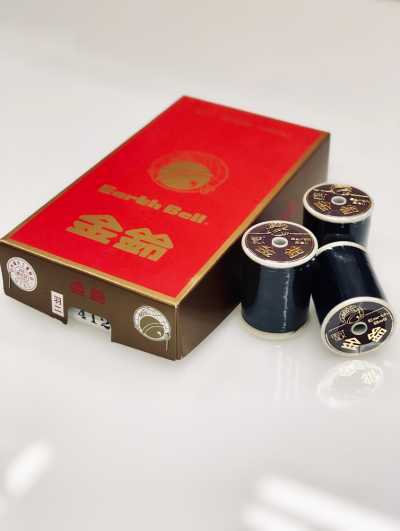
Spool
A spool is a term that refers to a wound form of thread, such as sewing thread wound around a core, or to the spool body itself.

Contents6 sections
Definition and Overview
A spool is a wound form of thread wrapped around a core. In sewing thread for stitching, it is wound so the thread is less likely to unravel and can be fed easily while standing upright on a sewing machine. Depending on the product, the term spool may also refer to the core or the wound package itself rather than the thread.
Even when the thread type, material, thickness, twist, color, and thread length are the same, whether it is spool wound is a difference in supply form. Therefore, the label spool alone does not allow you to judge the thread’s performance or applications.
Thread Material and Structure
Spools are wound with sewing threads made of polyester, cotton, nylon, silk, and other materials. Thread may consist of spun yarn made from short fibers, filament yarn made from continuous filaments, or core-spun yarn in which fibers cover the core thread; its structure affects strength, hairiness, luster, and stretch.
Twist direction and degree of twist also affect sewability. In general, threads with more hairiness or thicker threads are more likely to face resistance in the thread path, so checking thread tension is important. The spool winding method and winding amount should be checked as specifications separate from the thread’s basic structure.
How Thickness and Winding Amount Are Expressed
The thickness of sewing thread is expressed by count, denier, tex, and similar measures. In sewing thread, the nominal count is often used, and even with the same count notation, the number of plies making up the thread may also be listed. For example, the denominator in the notation is used to indicate the number of twisted plies.
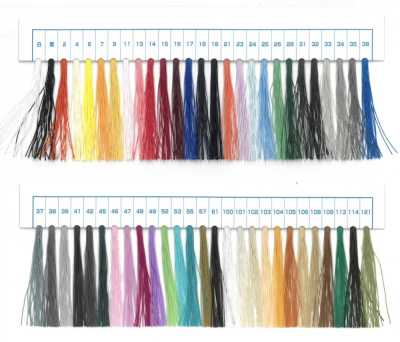
The length shown on a spool is generally indicated in meters as thread length. Since count and thread length are separate pieces of information, when ordering, confirm the color number, count, thread construction, thread length, and winding form together.
- Fine-count thread is generally thin and used for delicate fabrics and fine stitches.
- Thick-count thread is generally thick and used for applications that make stitches stand out or for sewing heavy fabrics.
- The relationship between a count’s size and the thread thickness should be checked according to the notation system being used.
Main Applications and Selection
Spool wound thread is used for household, industrial, and commercial machine sewing, repairs, and prototyping. For the sewing specification, select the thread material and thickness while considering the outer fabric and lining materials, number of layers to be sewn, how visible the stitch should be, and requirements for washing and abrasion resistance.
Also check whether the spool’s core diameter, outer diameter, and winding amount are compatible with the sewing machine’s thread stand and thread path. Large-wound thread should be fed stably using a thread stand when needed.
Sewing Precautions and Differences from Similar Terms
Before sewing, perform a test seam using the actual fabric and needle, and check upper and lower thread tension, skipped stitches, thread breakage, and seam shrinkage. If the thread feeding direction is unstable or the winding is uneven, it can lead to variations in thread tension.
A spool is a thread winding form. Cone winding is a form in which thread is wound on a conical or cylindrical tube and may be used for continuous sewing with relatively long thread lengths. A bobbin is a small part mainly used to wind the lower thread in a lockstitch machine, and its role differs from a spool for upper thread.
Frequently Asked Questions
What is the difference between spool winding and cone winding?
Both are thread winding forms, but spool winding usually refers to a relatively small thread package wound around a core, while cone winding generally refers to long-length thread wound on a tube or similar form. Choose based on the required thread amount and compatibility with the sewing machine’s thread stand.
Can I choose sewing thread based only on the spool count label?
Count alone is not enough. In addition to the thread material, twist and construction, color, and thread length, confirm the thickness and stretch of the fabric to be sewn, the needle used, and the purpose of the stitch. It is important to check by test sewing whether there are any tension issues, skipped stitches, or thread breakage.