Thread Length
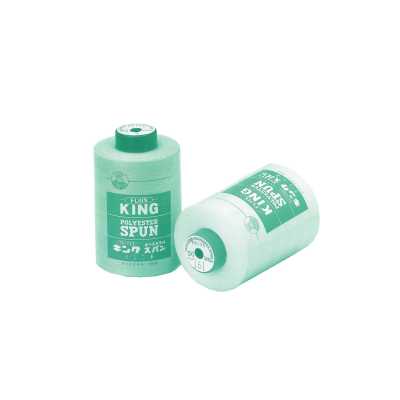
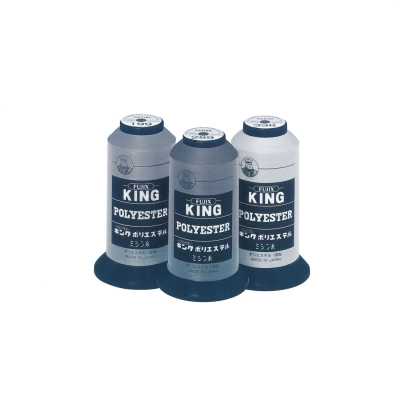
Thread length is a specification that indicates the length of thread wound onto one bobbin, cone, or card, in meters or other units.

Contents6 sections
Definition and Overview
Thread length is a specification that indicates the actual length of thread contained in one package of sewing thread or similar thread products. It is generally listed in meters and is used to estimate required amounts, calculate order quantities, and determine how often thread must be replaced during sewing. It is also called winding length.
Thread length is not a figure that indicates the thickness or quality of the thread itself. Even with the same thread length, weight, strength, and the appearance of the finished seam will differ if the count, material, twist, or construction differs.
Relationship to Material, Twist, and Construction
Thread length is a packaging specification used for all materials, including polyester, nylon, cotton, and silk. Because the specific gravity of the material and the thickness of the thread differ, products wound to the same length do not always have the same appearance or weight.
Construction such as single yarn, plied yarn, or thread made by combining multiple strands, as well as twist direction and twist amount, are specifications separate from thread length. When selecting thread, confirm not only the thread length but also the material, construction, twist, and strength for the intended application.
Difference from Count and Nominal Count
Count and nominal count are indications used to show thread thickness, and their purpose differs from thread length, which indicates the length contained in one roll. You cannot determine a product's thread length from the count value alone.
Thickness indications such as decitex and construction indications showing the use of multiple strands may be listed together with thread length. In specification sheets and purchase orders, recording the count, construction, material, color, thread length, and package shape separately helps prevent mix-ups.
Main Uses and How to Think About Required Amounts
Thread length is the basis for planning the amount of thread needed for lockstitching, overlock sewing, button sewing, stitching, embroidery, and more. The required number of rolls is calculated by considering seam length, sewing location, seam allowance, sewing method, and the amount used for upper and lower threads.
For mass production, it is important to confirm actual consumption using a sample or sewing sample. In particular, chainstitch, overlock, and multi-needle sewing use multiple threads, so estimating the required amount only from the visible seam length of the product may result in shortages.
Selection and Sewing Considerations
Thread length should be selected based on production volume, continuous machine operating time, thread replacement work, and management of leftover thread. Longer rolls can reduce the number of replacements, but in small-volume production or when using multiple colors, unused leftovers may increase.
Also confirm that the package shape is compatible with the thread stand and thread tension device of the machine in use. If the upper thread and lower thread differ in thread length or package shape, management is needed to prevent mix-ups of the same color and same specification, mixed lots, and insufficient remaining quantity.
- Confirm the required amount with a sewing sample.
- Check count, material, construction, color, and thread length as one set of specifications.
- For mass production, allow for spares and loss during replacement.
Frequently Asked Questions
Which should be checked first, thread length or count?
To judge whether the sewing performance suits the application, first confirm the thread specifications such as material, count, construction, and twist. Then check the thread length to plan the required number of rolls and replacement frequency. Thread length alone cannot determine thickness, strength, or sewing suitability.
If the count is the same, is it the same thread even if the thread length differs?
Even with the same count, the material, construction, twist, processing, and color may differ. Also, even thread of the same specification may be available in package shapes with only the thread length changed. When ordering, check the entire specification including both count and thread length.
Does thread length directly indicate the amount needed for sewing?
Thread length is the length contained in one roll, not the amount used for one garment. Thread consumption varies depending on the sewing method, and upper thread, lower thread, and looper thread are required separately. Measure consumption through sample sewing and arrange with extra allowance added.