Necktie Fabric
Necktie fabric is a general term for woven fabrics used as the outer fabric of a necktie, selected with consideration for how easily the knot forms, how it drapes, and how the sheen and pattern appear.
Contents6 sections
Definition and Overview
Necktie fabric is a term for the fabric used on the outer side of a necktie, named by its application. It does not refer to a specific fiber, weave structure, or pattern, and includes a wide range of woven fabrics suitable for the purpose, such as silk, polyester, and wool.
A standard necktie is made by combining the outer fabric with interlining and cutting it on the bias. When selecting necktie fabric, it is important to consider not only thickness and firmness when paired with the interlining, but also how the knot settles.
Texture and Visual Characteristics
Surface luster, the three-dimensional effect of the woven pattern, and suppleness vary depending on the material and weave. Satin weave is easy to give a smooth sheen, twill weave shows diagonal ridges, and Jacquard can express complex patterns through the yarn structure.
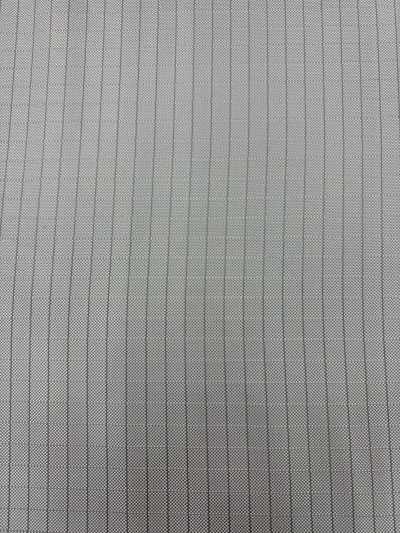
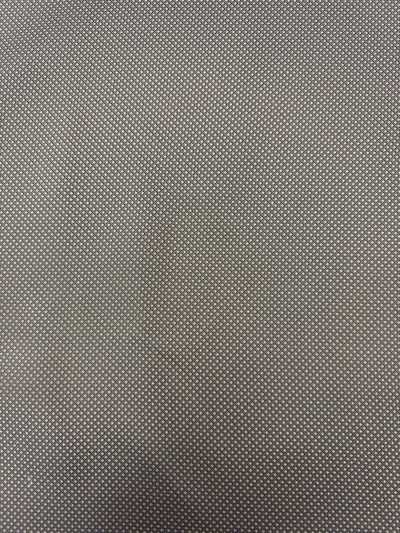
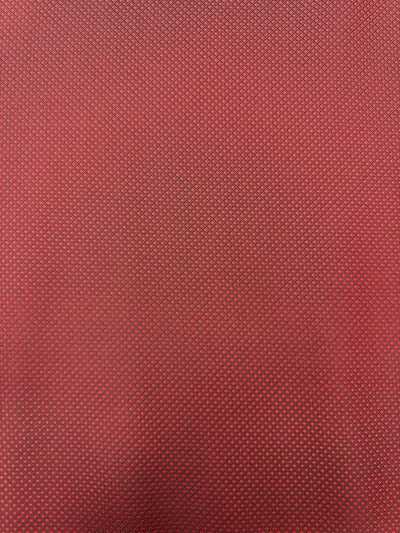
Fine patterns and yarn-dyed stripes tend to create visual interest even when tied, while large patterns require checking how they appear on the wide blade. The thickness and firmness of the fabric also affect knot size and how easily it ties.
Main Applications
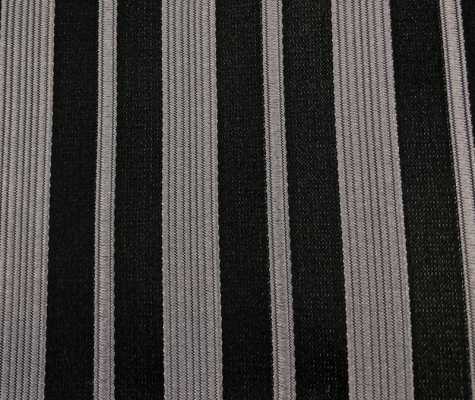
The main applications are hand-tied neckties and bow ties. For business wear, fabrics with subdued sheen or woven patterns are used, while for formal wear, solid fabrics with a lustrous finish or striped fabrics may be used.
Fabrics with a delicate silk-like appearance are suitable for year-round formal and dress applications, while fabrics with the texture of wool and similar materials tend to suit autumn and winter attire. However, seasonal impressions also vary depending on the combination of color, pattern, and tailoring.
- Outer fabric for hand-tied neckties
- Outer fabric for bow ties
- Outer fabric for formal neckties
- Apparel accessories such as pocket squares
How to Choose and Handling Precautions
When selecting fabric, in addition to the material, weave, and pattern, confirm compatibility with the interlining through sampling. A fabric that is too soft can make the knot and blade ends unstable, while a fabric that is too thick can make the knot bulky, so adjust based on the finished look.
Because neckties are generally cut on the bias, if the grain is off during cutting, the shape may twist or the pattern may appear crooked. With slippery fabrics or weaves where the yarns tend to float, care is needed to prevent shifting, needle holes, and snagging during cutting and sewing.
Shrinkage, color fading, and changes in sheen due to washing vary depending on the material and finishing. Product washing may cause distortion or affect the interlining, so follow the care label and test and confirm the outer fabric and interlining together before mass production.
Differences from Similar Terms
Necktie fabric is a term for an application, while satin, twill, and Jacquard are names indicating weave structures or fabric types. Therefore, while satin or Jacquard fabrics may be used as necktie fabric, the two are not the same category.
Necktie interlining is the interlining placed inside a necktie to support thickness and shape. Necktie fabric mainly affects appearance and hand feel, while necktie interlining is closely related to how it ties, its fullness, and its recovery.
Frequently Asked Questions
Can materials other than silk be used for necktie fabric?
Yes. Polyester is relatively easy to handle and offers a wide range of sheen and pattern expression. Wool is a material that can easily give a warm appearance. Choose based not only on the material itself, but also on thickness, firmness, and compatibility with the interlining.
Can necktie fabric be washed at home?
Not always. Depending on the material, interlining, and construction, water washing may cause shrinkage, distortion, or changes in texture. Products using delicate outer fabrics or interlinings require particular care. Always follow the product care label.
What should be noted when cutting necktie fabric?
Because it is generally cut on the bias, setting the grain correctly is important. If the cutting direction is inaccurate, the necktie is more likely to twist when worn. For striped or woven-pattern fabrics, also check the pattern placement on the wide and narrow blades and how it will appear on both sides in advance.