Zipper Tooth Separation
Tooth separation is a defect in which the left and right teeth of a zipper do not interlock when the zipper is closed, or come apart and open after interlocking.
Contents6 sections
Definition and Overview
A "detached zipper tooth" refers to a condition where the teeth on the left and right sides of a zipper are not properly connected by the slider, or separate after being connected. This affects not only the appearance but also the usability of the product, as it impacts the opening and closing function and retention.
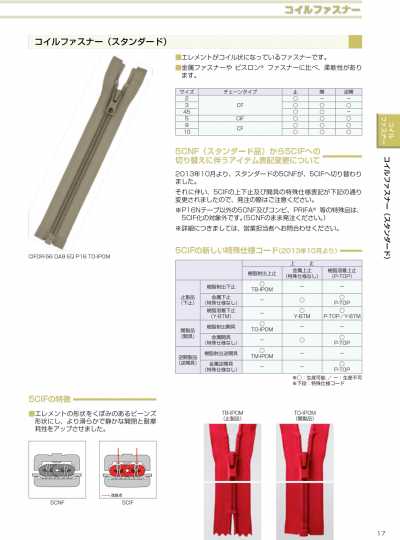
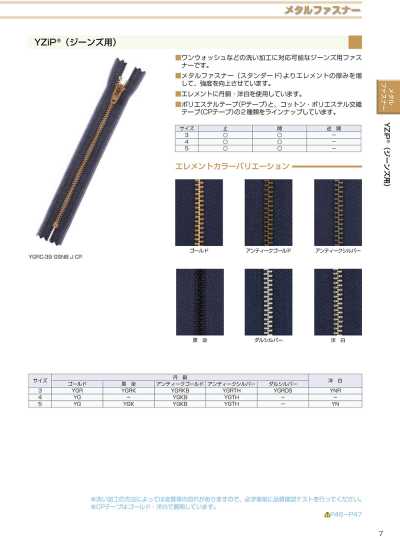
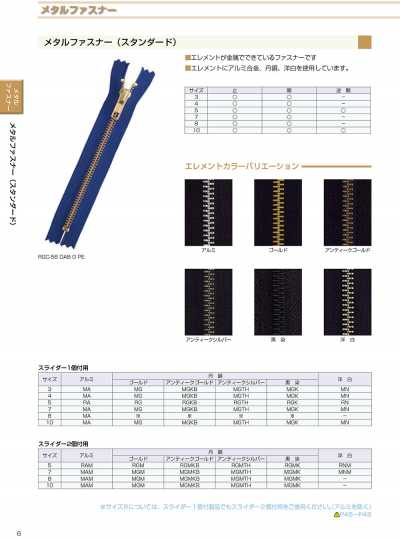
The teeth are connecting parts that interlock the left and right sides of a zipper. Their shape varies depending on the type, such as coil, resin molding, or metal, but if the teeth come loose, it is a phenomenon that requires checking the combination of the teeth and slider, as well as the load on the tape.
Structure and Causes
A zipper mainly consists of teeth, left and right zipper tapes, a slider, top and bottom stops, and an opening mechanism. The slider is the part that brings the teeth together and interlocks them, and if it is worn, deformed, or does not meet the specifications, the interlocking may become insufficient.
Factors that can cause teeth to come loose include missing or deformed teeth, damage to the tape that holds the teeth, wear or deformation of the slider, and excessive lateral force. Heat during sewing, needle contact, and the tape being sewn in can also worsen the condition.
- The left and right teeth do not connect even when the slider is moved.
- The closed part opens when pulled or bent.
- Some teeth are chipped, bent, or lifted from the tape.
- There is strong resistance or snagging when passing over the slider.
Relationship with specifications
The tooth size is a specification related to the width of the area where the teeth interlock. Generally, it is selected according to the load on the application area, the thickness of the fabric, and the desired appearance, but a larger size does not guarantee that all slippage will be prevented, and it is assumed that it will be combined with a suitable slider.
Closed zipper are secured at the bottom with a stopper, while open zipper are separated into left and right sides by an opening mechanism. Since the structure of the stoppers and opening mechanisms differs depending on the specifications, including two way separator and double-slider zippers, it is important to distinguish and check the location where a tooth has come loose from the condition of the part.
zipper length is often indicated based on the length from the top stop to the bottom stop, or the effective portion of the teeth including the opener. However, measurement standards vary depending on the specifications, so the finished dimensions and measurement starting point should be clearly stated in orders and pattern instructions.
How to choose and sewing tips
When selecting a zipper, we check the type and size of the teeth, the opening mechanism, the length, and whether a slider locking function is necessary for the intended applications. For applications that are subject to heavy loads, such as outerwear and bags, we determine the specifications by considering the number of openings and closings, the tension exerted by the contents and fabric, and the bending during use.
When sewing, maintain a position where the needle does not hit the teeth or slider, and sew only the tape securely. Ensure that the seam allowance, lining, or extension does not get caught in the slider or teeth, and avoid pulling the left and right tapes too tightly to prevent waviness or twisting.
When washing or garment washing, it is important to close the zipper to prevent entanglement with other products and to minimize strong mechanical action. Before mass production, check the opening and closing and tension with the actual fabric, interlining, and sewing conditions, and also check the meshing of the zipper teeth after washing.
Differences from similar terms
Teeth dislodgement is a phenomenon where the interlocking teeth fail to maintain their connection. Jamming, on the other hand, is a phenomenon where fabric or yarn gets caught in the slider, preventing it from moving. The causes and solutions for these two phenomena differ.
A slider detachment refers to a condition where the slider comes off the zipper tape or teeth. In cases of teeth detachment, the connection may come undone while the slider remains attached, so recording the malfunction in separate parts will make it easier to investigate the cause.
FAQ
Can a zipper with a loose tooth be fixed by replacing the slider?
If the problem is caused by wear or deformation of the slider, replacing it with a suitable slider may resolve the issue. However, if there are missing or deformed teeth, or if the tape is lifting, replacing only the slider will not solve the problem. Check the type of zipper, tooth size, and location of the damage, and replace the entire zipper if necessary.
How do you determine the length of a zipper to prevent the teeth from coming loose?
We consider not only the required dimensions of the opening, but also the position of the top and bottom stops or the opening mechanism, seam allowances, and overlaps of facings and extensions. If it is too short, stress tends to concentrate when opening and closing, and if it is too long, it may not fit properly. The specifications will include the measurement standards for zipper length and the installation position.