Underwire
A bra wire is an arched auxiliary material inserted along the lower part of a bra cup to support the bust while maintaining the cup’s shape and fit.
Contents6 sections
Definition and Placement
Underwire is a bow-shaped core material inserted into the wire casing along the lower edges of the left and right cups of a bra. It is placed along the base of the bust and serves to support the cup from below. It is also called an underwire or wire core.
The inner and outer ends of the cup are kept inside the wire casing so they do not damage the fabric or touch the skin. Careful stitching at the casing opening and finishing of the ends are important so the wire ends do not stick out.
Function and Features
Underwire helps maintain the cup's three-dimensional shape, lifts the bust, and controls spreading to the left and right. Combined with the straps, underband, and cup design, it affects stability when worn.
On the other hand, if the wire shape or stiffness does not suit the body, it can cause tightness or pain. Support is not determined by the wire alone; it is designed by considering cup volume, wire line, and underbust size together.
Materials and Types
In general, a formed metal wire coated with resin or similar material to reduce rust and improve skin feel is used. The coating also helps reduce the effects of sweat and washing and lessens the burden if the wire touches the fabric.
Types differ by the shape that matches the curve of the lower cup edge, wire thickness, stiffness, length, and end finishing. In general, a more rounded shape matches the cup's roundness more easily, while a wider shape is used in designs that support the side area as well.
- Metal wire is easier to provide support with, but it requires precise dimensions and end processing.
- In softer specifications, non-metal wire such as resin may be used.
- When ordering, confirm whether the product has different left and right shapes.
Main Applications
The main application is bras, but it is also used in bustiers, bodysuits, swimwear, stage costumes, and other items that need three-dimensional support in the cup. However, for swimwear and highly active uses, the specification is determined with water resistance, contact during movement, and wash durability in mind.
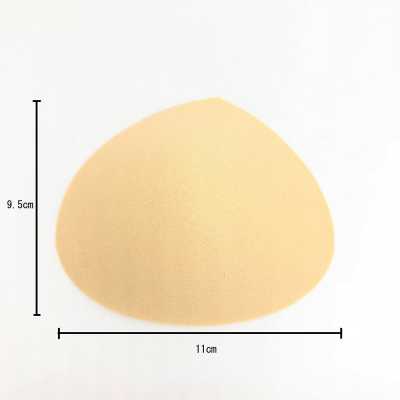
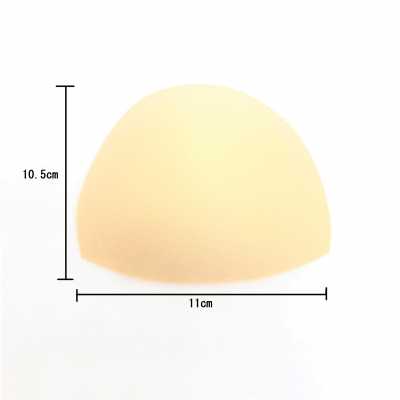
Molded cups and bust pads are components that provide cup thickness and shape, and their role differs from that of underwire. Wire tape is a tape-shaped auxiliary material used to cover and sew in the wire, and is not the underwire itself.
How to Choose and Sewing Precautions
When selecting, match the wire length, width, curve, and stiffness to the pattern's wire line and the intended wearer. If the shape of the lower cup edge and the wire do not match, it can lead to gaping, biting, or deformation of the cup, so fit checks should be done with prototypes.
The wire casing should have an inner size that allows the wire to fit in smoothly while not moving too much inside. After insertion, close the opening securely and provide enough pressing cloth or reinforcement at the ends. Make the sewing process sequence so the sewing needle does not hit the wire, and if it is metal, check in advance how it will be handled in the needle inspection process.
- Manage the wire so that the left and right sides, front and back, and inner and outer ends are not confused.
- Clearly specify the position in the specification sheet so the wire ends are not too close to the stitching.
- Check for protrusion and coating damage in washing tests and repeated wear tests.
Frequently Asked Questions
What is the difference between underwire and wire tape?
Underwire is the bow-shaped core material that supports the lower part of the cup. Wire tape refers to the bag-like or tape-like auxiliary material that holds the wire. The two are used together to soften the feel of the wire and prevent the ends from sticking out.
How do you determine the size of underwire?
It is determined based on the lower cup wire line, cup depth and width, underbust size, and the wearer's body shape. Choosing only by length can result in a poor curve match, so it is important to check how it follows the base of the bust, the tightness, and the stability of the cup on a prototype.
What should be noted when using metal underwire?
Confirm that the coating or cap on the ends is not damaged and that the stitching of the wire casing is sufficient. If the ends protrude, they can tear the fabric or feel uncomfortable against the skin. Also, for products that undergo needle inspection, establish an inspection method and management procedure that assume the presence of wire.