Vintage Zipper
A vintage zipper is a decorative zipper with teeth, a slider, a pull, and other design features reminiscent of older garment zippers, including reproductions.
Contents6 sections
Definition and Overview
A vintage zipper is a reproduction of the appearance and specifications of zippers seen in older workwear, military items, denim products, and similar goods. It may also refer to actual old used parts, but it is also used to mean a current-production reproduction item.
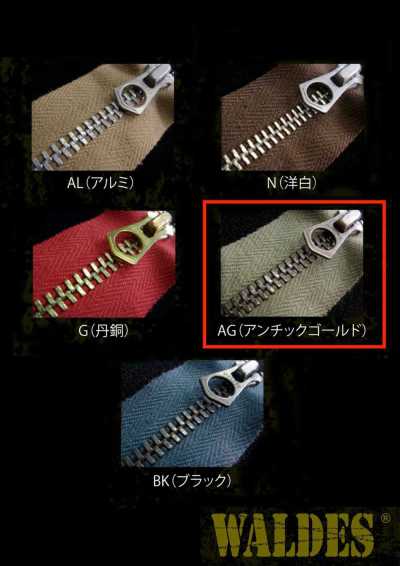
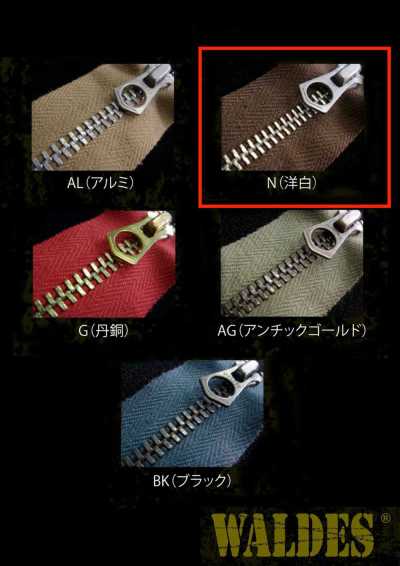
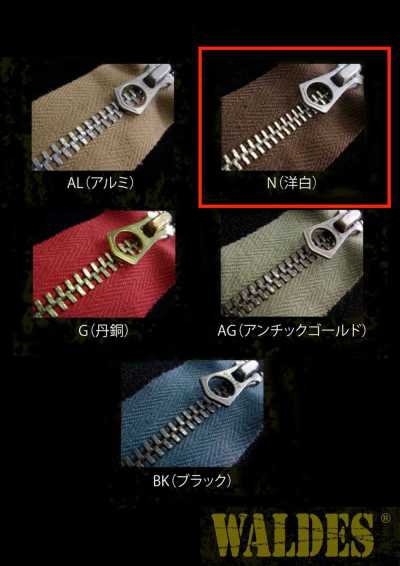
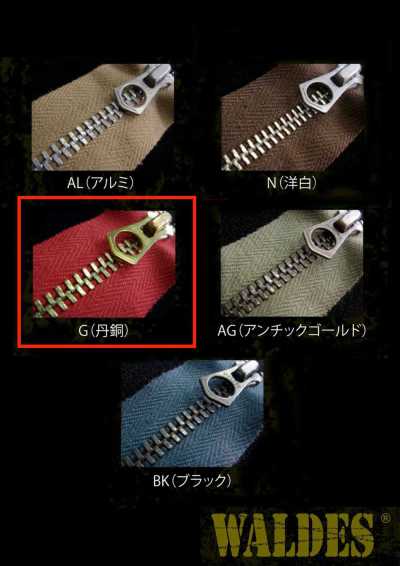
Whereas standard zippers focus on functionality and suitability for mass production, vintage zippers use color tones that evoke aging, substantial teeth, and distinctive pulls as design elements. The naming and specifications included vary by seller and field.
Structure and Parts
The basic structure is the same as a standard zipper, consisting of a slider that interlocks the left and right teeth, a pull used to operate the opening and closing section, zipper tape that holds the teeth, and top and bottom stops that secure the ends. Open-end versions have a bottom box and pin.
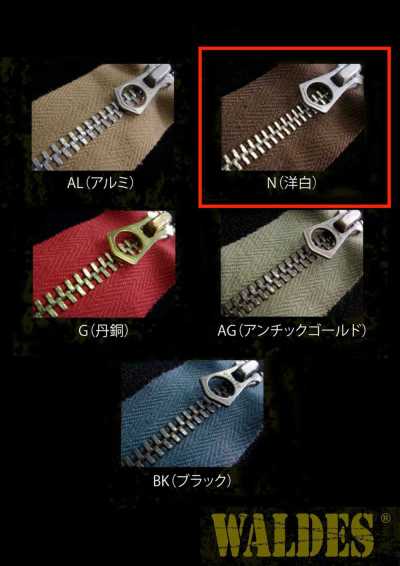
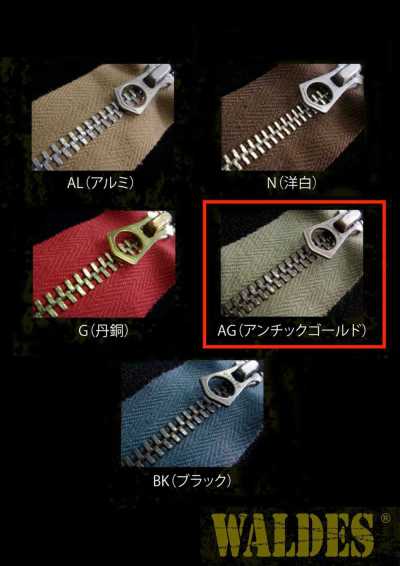
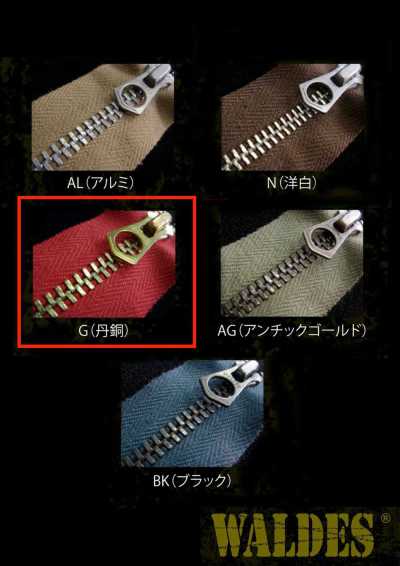
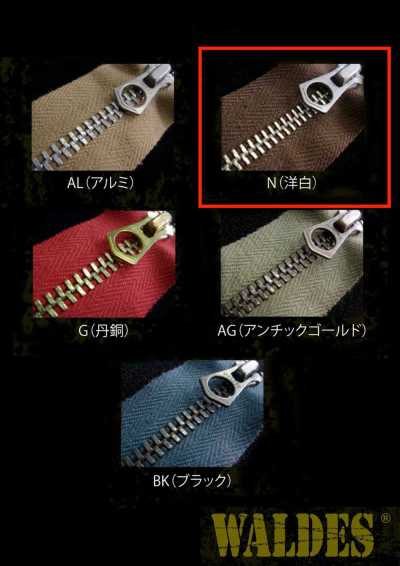
In vintage-style designs, metal teeth, decorative pulls, and aged surface finishes affect the appearance. However, even if the look is similar, the tooth material, tape fiber, and slider shape differ by product, so these are checked individually in the specification sheet.
- The teeth are the parts that interlock on the left and right to form the opening and closing section.
- The slider is the moving part that opens and closes the teeth.
- The top and bottom stops prevent the slider from coming off the ends.
- Zipper tape is the fabric portion sewn to the fabric.
Types and Specifications
The size of the teeth affects the presence when opened and closed, strength, and ease of sewing in. Thick teeth are easier to give a decorative look, but may be difficult to fit into thin fabrics or small pockets. In addition to length, tooth size and tape width are matched to the thickness of the fabric and the intended application.
Specifications are divided into closed zippers with a fixed bottom end, open-end zippers that can be separated completely into left and right sides, and two-way opening or double-slider types that can be opened from both top and bottom. Chains are supplied in long lengths and processed to the required length, then fitted with stops and sliders.
Main Applications
They are used in blousons, leather garments, denim products, workwear-style outerwear, front openings on pants, pockets, bags, and more. In designs where the zipper is visible on the outside, the color of the teeth and the shape of the pull greatly affect the overall impression of the product.
For reproduction-style garments that require authenticity, the color tone of the outer fabric as well as the buttons, stitch thread, and hardware are considered together. On the other hand, vintage style is an expression relating to appearance and is not a term that guarantees a specific era or performance.
Selection and Handling Precautions
When selecting, confirm the finished dimensions, type of opening, tooth size, tape color, slider direction, and pull thickness. Zipper length is generally confirmed based on the continuous tooth section from the top stop to the bottom stop, and for open-end versions, from the top stop to the end on the box and pin side. Also check the display standard for each product.
In sewing, set the stitch line so that the machine needle does not hit the teeth or stops, and sew the tape portion using a zipper foot. For thick materials, take care to avoid needle breakage and uneven stitching caused by steps, and perform test sewing before production.
When washing or product washing is performed, check in advance for changes in the surface finish, shrinkage of the tape, color transfer to surrounding fabrics, and slider operation. During washing, it is important to close the zipper and handle the pull and other parts so they do not damage other items.
Frequently Asked Questions
What is the difference between a vintage zipper and a metal zipper?
A metal zipper is classified mainly by the material of the teeth. A vintage zipper is a term for a design or reproduction specification that evokes older zippers, and although it is often made of metal, it is not a classification determined by material alone.
Where should the length of a zipper be measured?
Generally, it is confirmed based on the continuous tooth section from the top stop to the bottom stop. Because open-end zippers may sometimes be indicated in a way that includes the box and pin, compare the product's dimensions and the required finished dimensions before ordering.
Can it be used for garments that undergo product washing?
Yes, but washing processing may change the surface color tone, tape shrinkage, and operating feel. Use it only after confirming opening and closing performance, color transfer, and damage to surrounding areas with a prototype made under the same fabric, sewing, and washing conditions.