


Vinylon
Vinylon is a synthetic fiber made from polyvinyl alcohol, and is used in woven and knitted fabrics for apparel and materials, taking advantage of its absorbency, strength, and abrasion resistance.
Contents6 sections
Definition and Overview
Vinylon is a synthetic fiber made from polyvinyl alcohol. It is characterized by its affinity for water and its relatively high absorbency among common synthetic fibers. It is used both on its own and blended with cotton, polyester, and other materials.
Vinylon is the name of a fiber, not the name of a woven or knitted structure. Even with Vinylon, appearance, applications, and ease of care during washing vary depending on yarn thickness, woven or knitted structure, density, blend ratio, and finishing.
Feel and Function
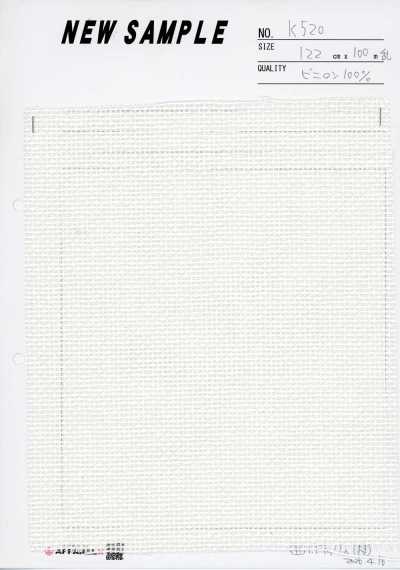
It is easy to create a firm hand with crispness and resilience, and depending on the application it can give a matte look close to cotton and a simple, dry touch. When used in a coarse mesh-like fabric, breathability and the texture created by the structure are also added.
It is suitable for applications that require strength and abrasion resistance. While its absorbency can be utilized, stretch and recovery from elongation vary depending on the material design, so specifications should be checked for fabrics intended primarily for stretch or soft drape.
Main Applications
In apparel, it is used for items that require durability and a firm feel, such as workwear, uniforms, outerwear, pants, and bags. In mesh fabrics, it may be used for parts of apparel that take advantage of breathability and for material applications.
Seasonality depends on the thickness and structure of the fabric. High-density, heavy woven fabrics can be considered for year-round work applications and outerwear, while coarse mesh and lightweight fabrics can be considered for spring and summer applications that emphasize breathability.
- Workwear and uniforms that prioritize durability
- Pants and bags that make use of a firm look
- Apparel and materials using mesh that require breathability
Selection and Handling Notes
When selecting, do not judge only by blend ratio; check fabric weight, structure, thickness, stretch, absorbency, and dimensional change after washing. If product washing, pleats, or the use of fusible interlining is planned, it is important to test actual samples before mass production and confirm changes in appearance and dimensions.
Follow the washing instructions for each fabric or product when laundering or ironing. High-temperature washing, drying, or ironing may cause shrinkage or changes in feel, so pre-testing is necessary. In sewing, for hard or thick fabrics, check for seam puckering and noticeable needle holes, and adjust the needle, thread, and stitch count.
Differences from Similar Terms
Polyester and nylon are widely used as petroleum-derived synthetic fibers, but Vinylon is a fiber based on polyvinyl alcohol. Because its absorbency, behavior against heat and water, dyeability, and feel are not the same, do not simply replace it as a synthetic fiber; compare it using fabric swatches and test results.
Rayon and lyocell are regenerated fibers made from cellulose, and their raw materials and fiber structures differ from Vinylon. Cotton is also a natural fiber, and in Vinylon-blend fabrics, designs are made to combine the feel of cotton with the durability of Vinylon.
Frequently Asked Questions
Does Vinylon shrink when washed?
The degree of shrinkage varies depending on the type of Vinylon, blended materials, structure, finishing, and washing and drying conditions. Special care is needed when washing or drying at high temperatures. Perform washing tests at the fabric stage and reflect the shrinkage rate in the pattern and specifications.
Is Vinylon fabric difficult to sew?
If the fabric is hard, high-density, or thick, needle holes and seam shrinkage may become noticeable. Choose a needle size and thread suited to the fabric, and adjust thread tension, presser foot pressure, and stitch count through test sewing. In mesh fabrics, handling that does not snag the structure is also important.





