Compound Feed
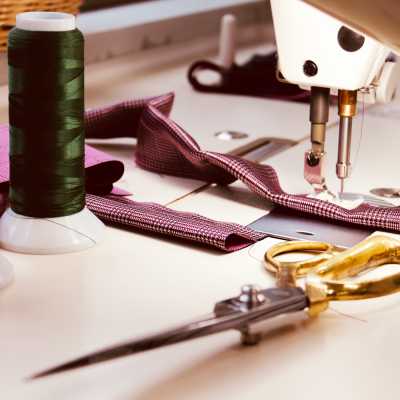
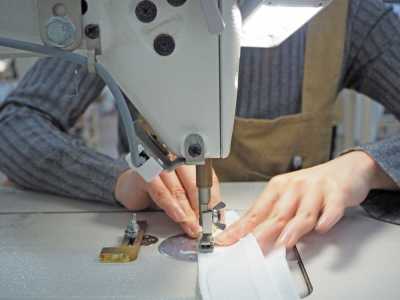
Compound feed is a sewing machine feeding system that, in addition to bottom feed, also feeds the fabric with an upper presser mechanism, and is used to sew while reducing shifting and misalignment in layered materials.
Contents6 sections
Definition and Overview
Compound feed is a system that, in addition to bottom feed by the feed dogs under the needle plate, also holds and feeds the fabric from above. It is generally equipped with what is called a walking foot mechanism and is used to stably feed multiple layers of fabric and thick materials.
Depending on the machine, some feed only with the upper feed foot, while others use compound feed in which the needle also feeds together with the fabric. In the workplace, these may be collectively called compound feed, so it is important to check the equipment specifications.
Role in Product Manufacturing
Compound feed is used in sewing processes after cutting, such as plain sewing, stitching, and attaching tape or components. It is especially considered in processes where materials with different levels of friction or thickness are layered, such as outer fabric and lining, interlining, urethane, and synthetic leather.
With bottom feed only, the upper fabric may lag or the lower fabric may advance, causing seam misalignment. Compound feed is one equipment choice for reducing this difference and stabilizing seam position, seam allowance width, and stitch line.
- Heavy-material sewing for bags and belts
- Layered sewing of quilting and padded products
- Sewing synthetic leather, leather, and coated fabric
- Attaching tape, piping, and reinforcement fabric
Approach and Practical Points
At the planning and pattern stages, organize material thickness, slipperiness, stretch, number of layers, and sewing locations, and clearly state in the specifications the processes that require compound feed. Especially when the front and back materials differ, conduct sewing tests with the actual layering order before mass production.
During sewing, adjust presser foot pressure, upper feed amount, feed dogs, needle, and thread tension to match the material. If the feed is made too strong, fading or feed marks may appear near the seam; if it is too weak, misalignment cannot be sufficiently controlled.
On curves, corners, and steps, do not force the material to pull; adjust the sewing speed. If necessary, use jigs or temporary basting together, and check the positional relationship between the upper and lower fabric, including at the start and end of sewing.
Points to Note for Ordering and Quality
When requesting a sewing factory, do not simply specify compound feed; share the target area, layering order, direction of seam allowance pressing, stitch position, and allowable misalignment in the specifications or samples. If materials are supplied, it is necessary to confirm them with the same thickness and processing conditions as the actual fabric.
In inspection, focus on seam misalignment, uneven seam allowance, puckering, feed marks, needle holes, and skipped stitches. Even with compound feed, waviness or dimensional differences may occur depending on differences in material stretch and component stiffness, so also check the appearance after washing or after processing.
Differences from Similar Terms
Differential feed is a mechanism mainly used in overlock machines and similar equipment that creates a difference in the feed amount between the front and rear feed dogs to adjust stretch and waviness in knits. Compound feed focuses on feeding the upper and lower layers together to suppress misalignment between layers.
Plain stitch refers to the stitch type, while compound feed refers to the fabric feeding mechanism. A plain-stitch machine may be combined with a compound feed mechanism, and the two terms are not in the same category.
Frequently Asked Questions
What kinds of materials are compound-feed sewing machines suitable for?
They are considered for thick materials, layered sewing of multiple layers, combinations of slippery front and back materials, synthetic leather, and similar materials. However, on thin materials or easily damaged materials, feed marks or presser marks may become noticeable. It is important to perform trial sewing with the actual material and sewing specifications and adjust presser foot pressure and needles.
Does compound feed completely eliminate seam misalignment?
No, it does not completely eliminate it. Misalignment can still occur due to differences in material thickness, stretch, surface friction, curved sewing sections, steps, and presser foot pressure. Before mass production, check the position from the start to the end of sewing, seam allowance width, and appearance, and use basting or jigs as needed.
Are compound feed and differential feed the same?
No, they are not the same. Compound feed is a method of feeding fabric from both the upper and lower sides to suppress misalignment in layered materials. Differential feed is a method of adjusting stretch, shrinkage, and waviness in knits by changing the feed amount between the front and rear feed dogs. The types of defects addressed and the sewing machine mechanisms are different.