


Zimbabwe Cotton
Zimbabwe Cotton is cotton made from cotton grown in Zimbabwe, and is a material used for its flexibility, firmness, and natural appearance that take advantage of its fiber length.
Contents6 sections
Definition and Overview
Zimbabwe Cotton is a term referring to cotton grown in Zimbabwe in southern Africa, or yarns and woven or knitted fabrics made from it. It is a classification based on the place of origin of the cotton, and does not refer to a weave structure or a fabric name.
It is generally treated as cotton with relatively long fiber length, and is spun into yarns ranging from fine to medium counts depending on the application. However, the actual fiber characteristics vary depending on the variety, harvest year, spinning method, and blending ratio.
Texture and Appearance Characteristics
It is characterized by a flexible feel while still retaining a moderate degree of body and firmness. Depending on the finish and yarn design, it can be made into either a smooth, refined surface or a rustic, raised look using uneven yarn.
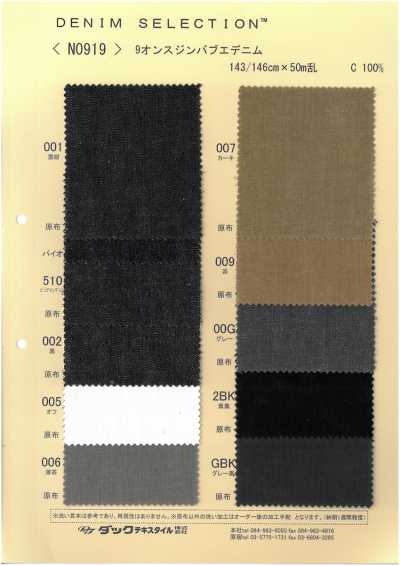
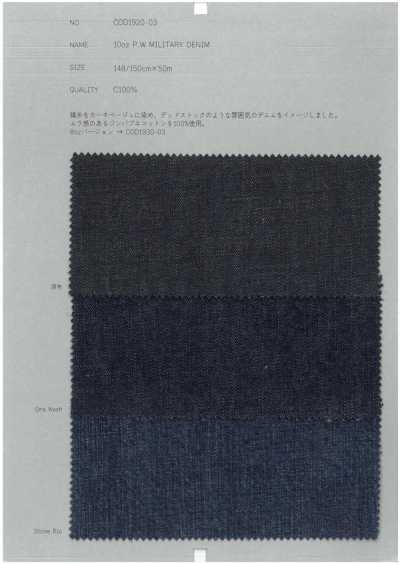
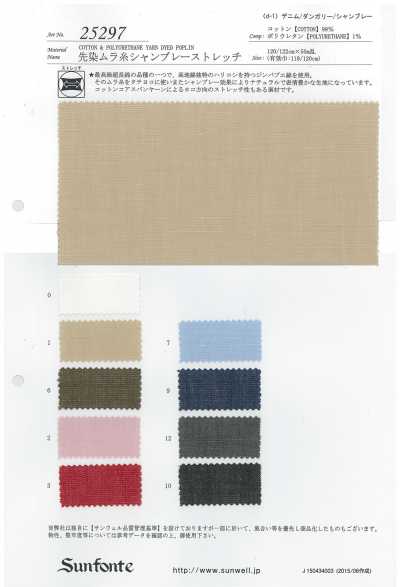
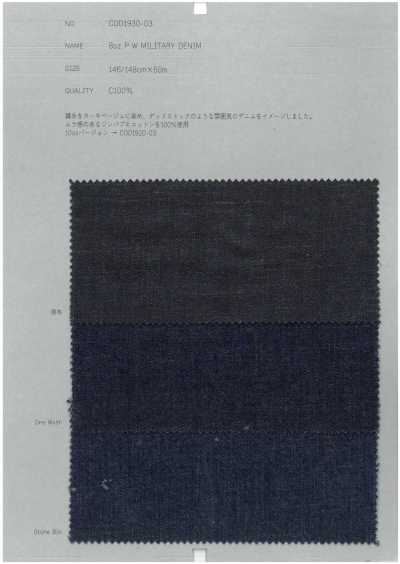
In denim and chambray, uneven yarn with irregular thickness is used to take advantage of fading and the contrast between light and dark areas in the weave. This is not an inherent characteristic of Zimbabwe Cotton itself, but rather the result of yarn selection and dyeing and weaving design.
Main Applications
It is used for shirt fabric, blouse fabric, cut-and-sew, denim, chino, and workwear. Because a wide range of constructions such as plain weave, twill, and knit are possible, applications are not determined by the raw material name alone.
In lightweight fabrics, it is used for spring and summer shirts and blouses that make use of a clean surface and moderate firmness. In heavier fabrics, it is used for richly textured denim, pants, jackets, and more. Seasonal suitability is judged together with fabric weight, structure, and whether or not it is brushed.
Selection and Handling Notes
When selecting materials, check not only whether Zimbabwe Cotton is indicated, but also the blending ratio, yarn count, single or plied yarn, weave structure, fabric weight, and finishing process. The appropriate fabric design differs depending on whether the goal is a uniform surface or a more irregular look and aging effect.
Cotton materials are prone to shrinkage in washing, and fabrics that have not been shrink-proofed or have not undergone washing finish require particular attention to dimensional change. Before mass production, carry out water shrinkage and wash tests, confirm shrinkage rate, twist, and color fading, and reflect the results in pattern dimensions and care labels.
In sewing, set the needle size, thread count, and stitch density according to the fabric thickness and density. Heavy fabrics such as denim are more likely to experience needle breakage and skipped stitches at raised seams, so the specifications for overlapping sections, presser foot pressure, and sewing sequence should be verified in advance.
Differences from Similar Terms
Cotton is the general term for all plant-based natural fibers, while Zimbabwe Cotton is a term that focuses on the place of origin within that category. Extra-long staple cotton is a term mainly indicating a fiber-length classification, and should be treated separately from a place-of-origin name.
Denim and chambray are fabric names related to weave method, dyeing method, and appearance. Zimbabwe Cotton may be used as the raw material for these fabrics, but Zimbabwe Cotton itself does not mean denim or chambray.
Frequently Asked Questions
Is Zimbabwe Cotton extra-long staple cotton?
Zimbabwe Cotton is sometimes introduced as extra-long staple cotton, but a place-of-origin name and a fiber-length classification are not the same. Because fiber length, variety, and blending ratio differ depending on the raw material or fabric being procured, if extra-long staple cotton is required, it should be confirmed individually using specifications or raw material certificates.
Do fabrics made from Zimbabwe Cotton shrink when washed?
Because cotton is the main raw material, shrinkage and twisting may occur during washing. The degree of change varies depending on whether shrink-proof finishing or product washing has been applied, as well as the fabric structure and drying method. It is important to conduct wash tests before planning and sewing, and to design dimensions with shrinkage in mind.
Can Zimbabwe Cotton be used for things other than denim?
Yes. By changing the yarn thickness, twist, weave structure, and fabric weight, it can be developed into lightweight fabrics for shirts and blouses, cut-and-sew fabrics, pants fabrics, and more. Decide whether you want the irregular look typical of denim or a clean surface, then check the texture with fabric swatches.





