Acrylic Button
An acrylic button is a button made primarily from acrylic resin and used for apparel and fashion accessories, taking advantage of its transparency, luster, and ability to express colors, patterns, and designs.
Contents6 sections
Definition and Overview
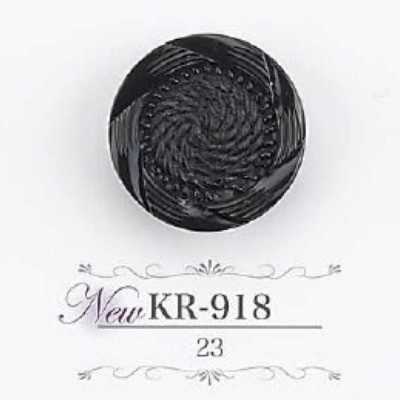
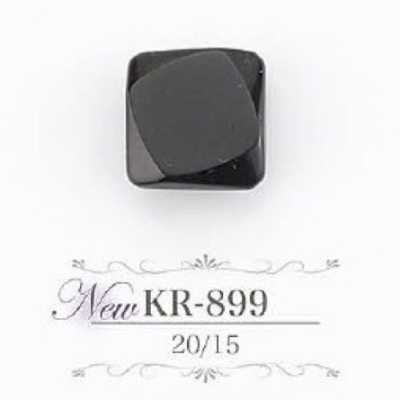
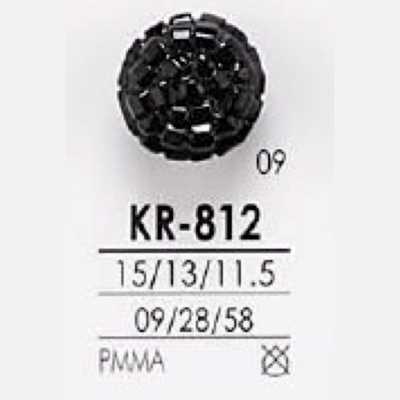
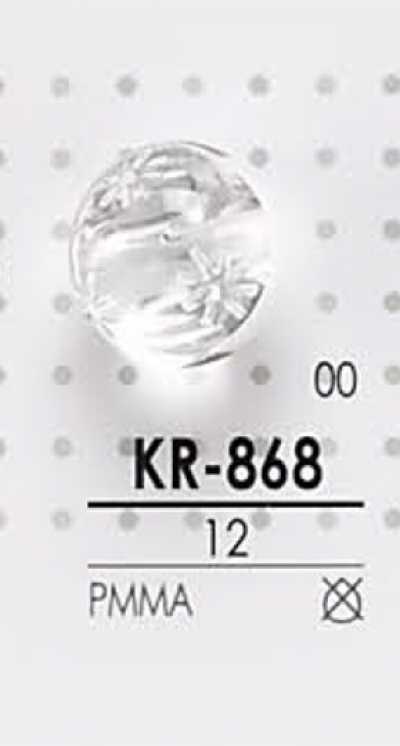
An acrylic button is a button made from acrylic resin. It easily expresses transparent, translucent, and opaque tones, as well as sparkle and patterns, and combines fastening function with decorative appeal. It comes not only in round shapes but also in square shapes and raised forms.
“Acrylic” can also refer to acrylic fiber for apparel, but in acrylic buttons it generally refers to resin material. Polyester buttons, urea buttons, and nylon buttons are all resin-made as well, but they are different types with different materials and properties.
Materials and Structure
Acrylic resin makes it easy to take advantage of transparency and surface luster, and the way colors and patterns appear can be incorporated into the design. On the other hand, strong impact, excessive tightening, or the load from needles and sewing thread during sewing can cause chipping or cracking.
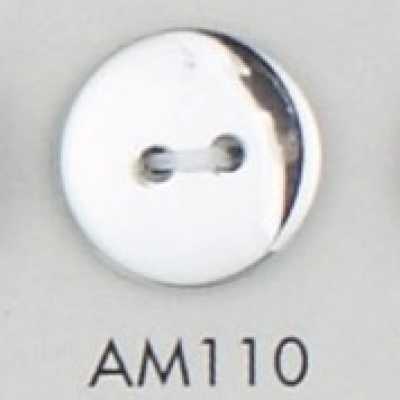
Structures include hole styles with two holes, four holes, and other holes punched in the surface, and shank styles that have a loop on the back for threading. Shank styles include tunnel shanks, where the space for threading runs sideways, and styles with square shanks.
- Hole styles are used for areas that should lie relatively flat, such as shirts and blouses.
- Shank styles make it easier to give the button thickness and a raised feel, and are used for jackets, dresses, and decorative apparel.
- Check the size of the buttonhole and the sewing method according to the shape of the holes or shank.
How Size Is Expressed
Button size is shown in mm by diameter, and may also be expressed in lignes. Lignes are the customary unit for buttons; 1 ligne is approx. 0.635 mm. In specifications, it is easier to check if the display unit is standardized and mm is also listed when necessary.
When selecting, check not only the diameter but also the thickness, shank height, hole diameter, and compatibility with the buttonhole. Even with the same stated diameter, appearance and ease of fastening vary depending on thickness, whether there is an edge, and the raised shape, so checking the actual item is important.
Main Applications
Acrylic buttons are used for front openings, cuffs, and pockets on shirts, blouses, cardigans, dresses, skirts, jackets, and more. Because they can take advantage of transparency and colors or patterns, they are also chosen as an accent for apparel.
For each item’s application, consider the button’s weight, thickness, shape, and frequency of use. On thin textiles, the weight of the button may cause the placket or pocket opening to sag, so evaluate the textile strength and any reinforcement needed.
Attachment and Handling Notes
For hole styles, the button is sewn on by passing sewing thread through the holes, and for shank styles, the thread is passed through the shank hole. Leaving an appropriate amount of slack between the button and the textile and sewing a thread shank makes it easier to accommodate textile thickness. Over-tightening the thread may place a load on the resin.
Resistance to washing, dry cleaning, and ironing varies depending on the resin formulation, color and surface finish, and any other combined materials. Before productization, conduct washing and dry-cleaning tests together with the base textile, and check for cracking, discoloration, clouding, and surface scratches.
Direct exposure to a hot iron or prolonged strong sunlight may lead to deformation, discoloration, or surface changes. Avoid the button when ironing, or use a pressing cloth, and align the product washing instructions with the handling conditions for the accessories.
Frequently Asked Questions
Are acrylic buttons the same as polyester buttons?
No, they are not the same. Both are resin buttons, but the main material differs. Acrylic buttons may be used in designs that take advantage of transparency, luster, and patterns. Confirm the required durability, appearance, and suitability for washing and cleaning through each button’s specifications and test results.
Can acrylic buttons be machine washed at home?
Suitability for home washing cannot be judged from the button material alone. The type and formulation of the resin, coloring, surface finish, sewing condition, and the handling conditions of the garment itself all have an effect. Before mass production, conduct washing tests in combination with the base textile and check for cracking, discoloration, scratches, and clouding.
Should acrylic button size be specified in mm or lignes?
Follow the practices of your trading partner and specifications. Lignes are a widely used customary unit for buttons; 1 ligne is approx. 0.635 mm. To avoid misunderstandings, it is effective to list the diameter in mm in addition to the ligne size, and also specify thickness, hole diameter, and shank height.