Airtight Zipper
An airtight zipper is a specialized zipper with a sealing structure that suppresses the passage of air and water when closed, used in dry suits and similar items.
Contents7 sections
Definition and Overview
Airtight zipper are opening and closing components designed to prevent air and water from passing through the closed portion of a zipper. In clothing, they are mainly used in drysuits and protective gear, aiming for a higher level of airtightness than typical clothing zipper.
Airtightness is not a guarantee that the entire product is completely sealed. In addition to the performance of the zipper, the airtightness and waterproofness of the finished product must be checked, including the fabric, seams, joints, and how it looks when worn.
Structure and parts
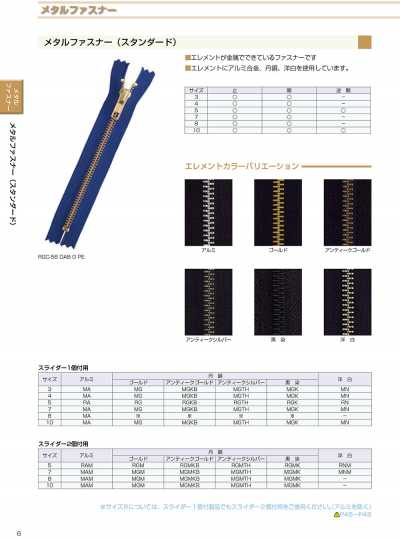
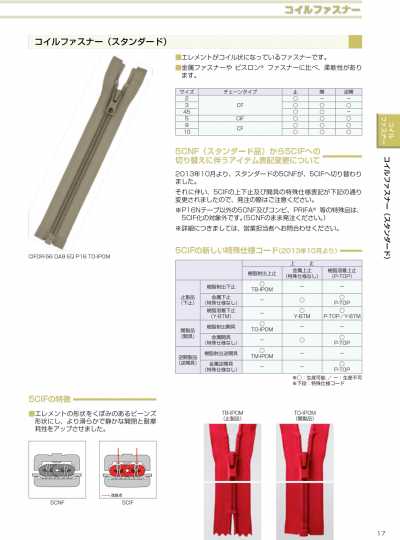
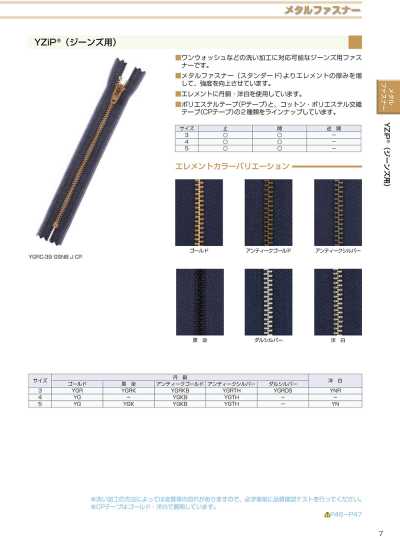
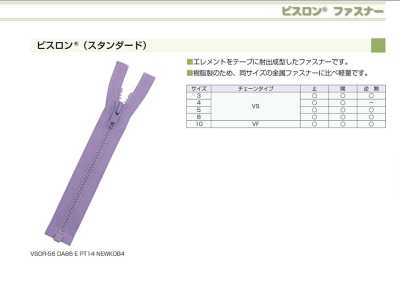
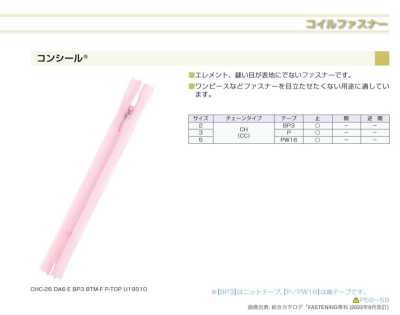
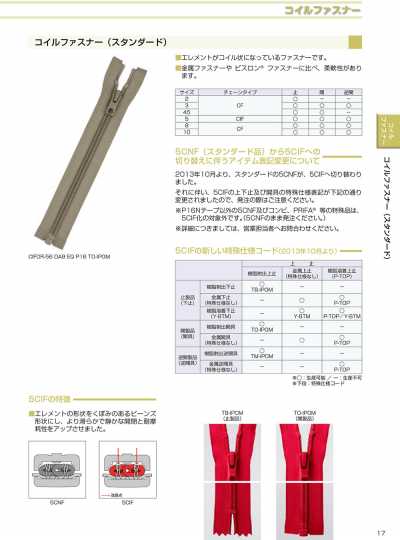
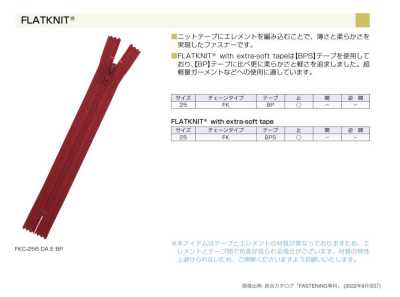
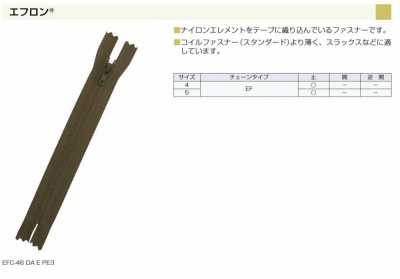
Basically, a fastener consists of teeth, a slider that interlocks the teeth, a stopper to secure the end, and zipper tape for attachment. Airtight zipper may have shapes or coverings on the interlocking parts or tape to achieve airtightness.
Depending on the specifications, there are structures where the teeth are visible and structures where the sealing part is the main component. Since the slider is only likely to achieve the desired sealed state when it is moved all the way to the end, the operability of the pull handle and the position of the slider are important design considerations.
- Teeth: These are parts that interlock on the left and right sides to create an opening and closing mechanism.
- Slider: This is a part that opens and closes teeth or seals.
- Stopper: This is an end piece that prevents the slider from coming loose or opening too far.
- zipper tape: This is a strip-shaped portion used to attach the product to the main body.
Types and specifications
When selecting a seal, check the required sealing performance, the size, length, opening mechanism, slider orientation, and tape width of the teeth or seal area. For drysuits, the length of the opening for easy donning and doffing, and the mounting position that accommodates body movements are particularly important.
End specifications include a closed type that ends with a bottom stopper and an open type that allows the left and right sides to be separated by an opening mechanism. There are also specifications that can be operated from both sides, and specifications that use two sliders. In applications requiring airtightness, the opening and closing direction and the finish of the ends affect the airtightness.
- Tooth size or seal area dimensions
- zipper finished length
- Opening methods such as closed, open, and two way separator.
- Number of sliders, orientation, shape of pull tabs
- Tape width, color, sewing or joining method
Main applications
A typical applications is drysuits that protect the wearer's body from water. It is also used in protective equipment that needs to prevent air and water intrusion, as well as in special- applications bags and covers. The required degree of airtightness, durability, and flexibility vary depending on the applications.
For regular outerwear and bags, water repellent zipper are sometimes considered to prevent rain from getting in. However, airtight zipper are primarily designed to seal the fastening points, so their use should be chosen based on the desired performance and usage conditions.
How to choose and points to note
When sewing, needle holes may impair the seal. Please check the specified attachment method, such as covering seams with seam tape or using adhesive, in addition to sewing the tape on. With fabric , be careful of waviness, puckering, and tape peeling.
For washing, storage, and opening/closing, follow the instructions provided for each zipper. Since foreign matter such as sand or salt adhering to the seal can affect its airtightness and operation, clean off any dirt after use and store without forcibly bending it. Whether or not lubricant can be used also varies depending on the specifications.
The length may be indicated as the effective length from the top end to the bottom end, as with typical zipper, but the measurement standard differs depending on the end structure. When ordering, please clearly specify not only the finished dimensions but also the reference point on the drawing, left/right orientation, opening/closing direction, and required seam allowance in the specifications.
Differences from similar terms
water repellent zipper zipper water from entering through coatings on the tape surface or overlapping teeth. They are often designed to withstand rain and splashes, and their required performance and applications differ from zipper designed for airtightness.
Waterproof and breathable materials refer to fabrics that prevent fabric from entering while allowing moisture to escape. On the other hand, airtight zipper are components of the opening and closing mechanism. Even if waterproof and breathable materials are used, the overall waterproofness and airtightness of the product cannot be ensured if the seams and zipper areas are not properly treated.
FAQ
Are airtight zipper and water repellent zipper the same thing?
They are not the same. water repellent zipper are primarily designed to prevent rain and splashes from entering, while airtight zipper are used for sealing applications to further restrict the passage of air and water. We will examine the required performance, installation methods, and test conditions for the finished product separately.
Can airtight zipper be sewn on with a regular sewing machine?
While sewing may be possible, needle holes will affect the airtightness. Following the specifications of the zipper being used, the seams should be treated with seam tape after sewing, or adhesive should be used. Before mass production, prototypes should be made using the actual fabric and process to check for opening/closing functionality and leaks.
How do you specify the length of the airtight zipper?
The dimensions are specified based on the required opening size, but whether or not to include the ends and the opening mechanism depends on the product specifications. To prevent misunderstandings, it is recommended to include a specification diagram showing the reference point, the left/right orientation, the slider position, and the mounting position on the finished product, rather than simply stating the length.