Alençon Lace
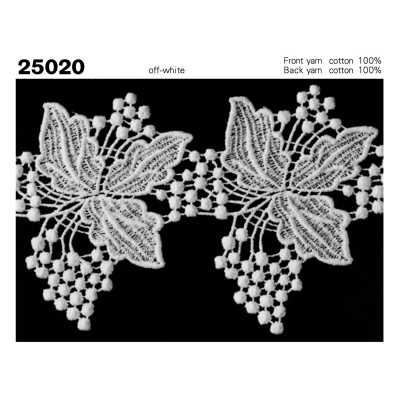
Alençon lace is a decorative lace with a three-dimensional look, featuring flower and leaf motifs highlighted by thick outline yarns on a sheer ground.

Contents6 sections
Definition and Overview
Alençon lace is the name of a lace originating in the Alençon region of France. Traditionally, it is a type of needle lace made with a needle, featuring floral and botanical patterns on a net-like ground and characterized by designs with emphasized outlines.
Today, it is sometimes used not only for traditionally handmade items but also for machine-made lace with a similar appearance. For that reason, in purchasing and specifications, it is important to check the method of production, whether there is a ground fabric, the material, and stretchability individually.
Construction and Materials
In the traditional method, a thicker yarn is placed along the outlines on the underdrawing, and the pattern and ground are formed with needlework such as buttonhole stitch. Because dense stitching and openwork are added to parts of the design, it creates an expression that combines delicacy with depth and shadow.
Commercial Alençon-style lace includes machine-produced items such as embroidered lace and raschel lace. Materials include silk and cotton, as well as nylon and polyester, and some items are blended with polyurethane to provide stretch.
Visual Features and Differences from Similar Terms
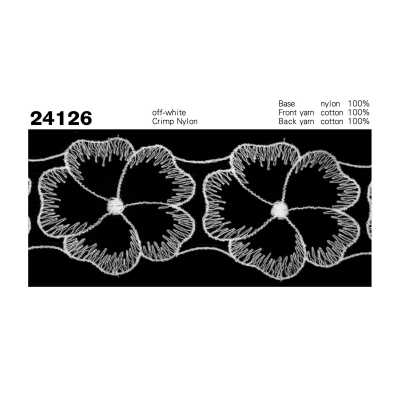
The main feature is the raised look created by thick outline yarn surrounding motifs such as floral patterns. Openwork inside the motif, fine mesh, and scalloped edges are often combined, creating a glamorous and dimensional impression.
Chantilly lace generally features light, delicate patterns made with fine yarn, and many items do not have the clear outline cord seen in Alençon lace. Leavers lace is the name of a production method, while chemical lace is a lace produced by dissolving the base fabric and leaving the embroidered pattern; the criteria for classification are different.
- Alençon lace: centered on a design that highlights motifs with outline yarn.
- Chantilly lace: centered on delicate netting and light patterns.
- Leavers lace: a term indicating a method for machine-made lace.
- Chemical lace: lace made by removing the base fabric and leaving the embroidery pattern.
Main Applications
It is used for dresses, bridal wear, blouses, skirts, and more, for decoration at yokes, sleeves, hems, and necklines. When used over the entire garment, it creates a striking and glamorous look; when used in part, the lace pattern stands out through contrast with solid materials.
For lingerie and innerwear, check the feel against the skin, edge firmness, and direction of stretch. If you want to reduce sheerness, layer a lining; if you want the outlines or pattern to show, there is a method of combining it with a contrasting underlayer.
Selection and Handling Notes
Depending on the application, check the thickness of the outline yarn, the size of the pattern, whether there is a scallop, and the strength of the ground. When using it for the body of a garment, consider pattern placement and required yardage; when using the edge, plan cutting with the scallop position in mind.
Lace is prone to thread breakage and fraying from snags, so care must be taken during cutting and sewing not to damage the pattern. For stretch items, check the direction of stretch and do not pull too hard during sewing.
Washing methods vary depending on the material and finishing. Even when home washing is possible, the general approach is to use a laundry net, a gentle water flow, and avoid friction with other items. When ironing, use a pressing cloth and avoid pressing down the raised outline areas too firmly.
Frequently Asked Questions
Does Alençon lace stretch?
The name Alençon lace alone does not indicate whether it is stretchable. Traditional needle lace is not a highly stretchy material, but some machine-made lace items have stretch due to blends such as polyurethane. Always check the actual stretch and recovery in both length and width on the product itself.
Does the edge of Alençon lace fray?
Machine-made lace with a base fabric may fray from the cut edge, and the motif area may also suffer thread breakage from snags. Choose a finish suited to the structure of the lace, such as using the scallop edge, sewing it in with seam allowance left in place, or adding edge finishing as needed.
Can Alençon lace be washed at home?
Whether it can be washed depends on the material, dyeing, and whether it has decoration, so follow the care label. Even when washing is allowed, it is generally best to use a laundry net to avoid friction and snags, and to avoid strong spin-drying and tumble drying. If you are unsure, test a hidden area beforehand.
- Search products for "Alençon lace"
- Products with material "Cotton"
- Products with material "Polyester"
- Products with material "Nylon"
- Products with material "Silk"
- Products for style "For Lingerie"
- Products for style "For Skirts And Dresses"
- Products for style "For Formal Wear"
- Products for style "For Costumes/dresses"
- Browse Lace products