Composite Fiber
Composite fiber is a synthetic fiber that combines two or more components with different properties within a single fiber cross-section to achieve crimp, stretch, lightness, and other qualities.
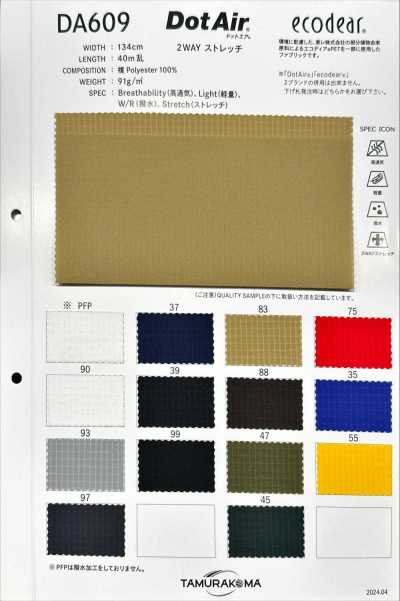
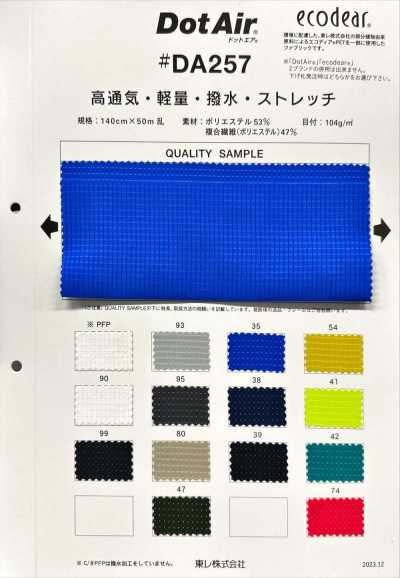
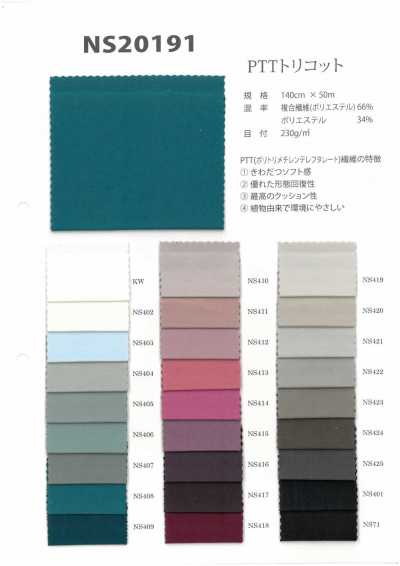
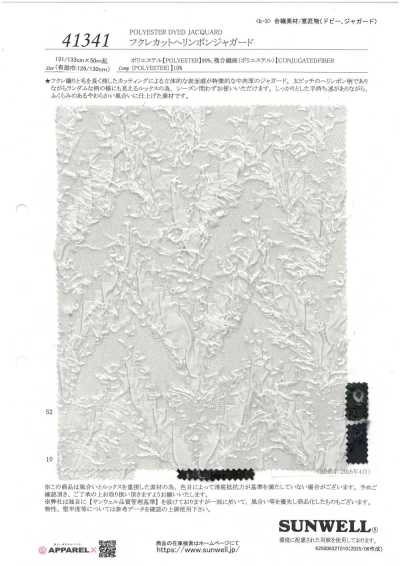
Contents6 sections
Definition and Overview
Composite fiber is a synthetic fiber that integrates multiple polymer components into a single continuous fiber. By using differences in shrinkage, elasticity, and response to heat for each component, it is designed to deliver properties that are difficult to achieve with a single-component fiber.
In care labeling, materials whose main component is polyester may be labeled as composite fiber polyester. On the other hand, the term composite fiber is also sometimes used broadly to refer to fabrics or union fabrics made by combining different materials.
Structure and Features
Typical structures include the side-by-side type, in which two components are arranged next to each other, and the core-sheath type, in which a central core is wrapped with a different component. The side-by-side type develops crimp, a fine waviness in the fiber, through heat treatment and other processes, which leads to easy stretch and recovery.
The hand and feel vary greatly depending on the components used, the cross-sectional structure, yarn processing, and fabric construction. In general, it is used for materials that make use of resilience, stretch, lightness, and a clear surface appearance, but not all composite fibers have the same performance.
- The side-by-side type is a structure that makes it easy to design natural crimp-related stretch and recovery.
- The core-sheath type allows the core and sheath to have different roles, such as strength, heat bonding, and hand feel.
- By combining components with different dyeing properties, it can produce depth of color and a heathered appearance through differential dyeing.
Main Applications
It is used for shirts, blouses, pants, skirts, dresses, jackets, and other items by taking advantage of its stretch and clean surface appearance. There are also designs that combine it with natural fibers such as cotton to add lightness and ease of movement to a natural look.
It is available from lightweight to medium-weight materials, and its applications are not limited to a specific season. For spring and summer, it is selected for qualities such as lightness and a dry touch against the skin, while for fall and winter it is chosen for the hand and performance needed for the planned item, such as moderate firmness and shape retention.
Selection and Care Notes
When selecting it, check not only the blend ratio but also the structure of the composite fiber, stretch direction, elongation recovery rate, fabric weight, and finishing process. For stretch materials, it is important to confirm through prototyping not only how the fabric returns when worn but also whether seam puckering or seam stretch occurs.
Resistance to shrinkage, shape change, and heat from washing or ironing varies depending on the component composition and finish. Follow the care instructions and avoid high-temperature drying or excessive heat pressing. Before mass production, perform wetting and washing tests to confirm dimensional and appearance changes.
In sewing, choose thread, needle, and seam construction that match the fabric's stretch properties. To reduce waviness caused by feeding, adjust the differential feed, presser foot pressure, and thread tension, and take care not to over-stretch the fabric during steam finishing after sewing.
Differences from Similar Terms
Blending is a method of mixing different fibers at the staple stage and spinning them into one yarn, while union fabric is a woven structure that uses different types of yarn for the warp and weft. In contrast, composite fiber differs in that multiple components are arranged inside the fiber itself or within its cross-section.
The side-by-side and core-sheath structures are representative cross-sectional structures of composite fiber. In addition, covered yarns that use polyurethane as the core of the yarn also combine multiple materials, but they have a structure in which the fiber is covered to form a yarn, and they may be treated separately from composite fiber.
FAQ
What is the difference between composite fiber and blending?
Composite fiber is a fiber in which multiple components are arranged within a single fiber. Blending refers to a method of mixing different fibers, such as cotton and polyester, to make yarn. Because names used in labeling and fabric descriptions can sometimes be confused in a broad sense, check the structure in the material specifications.
Is composite fiber a stretch material?
Types such as the side-by-side type can more easily be given stretch through crimp, but not all composite fibers have high stretchability. Because stretch and recovery vary depending on the fabric construction, blend ratio, yarn usage, and finish, judge based on the actual material and test values.
Does composite fiber fabric shrink in home laundering?
How easily it shrinks depends on the combined components, the weave or knit structure, and the dyeing and finishing process. Some materials may also contain components whose properties change with heat, so follow the care label first. For finished products, check in advance the dimensional changes, wrinkling, and stretch changes before and after washing.