Biella
Biella is a textile production area centered on the Province of Biella in northwestern Italy, responsible for spinning, weaving, dyeing, and finishing high-end fabrics centered on wool.
Contents6 sections
Definition and Overview
Biella is a textile production area formed in and around Biella Province in the Piedmont region of northwestern Italy. It is especially known for wool fabrics used for menswear, and companies and mills involved in everything from raw materials to yarn, fabric, dyeing, and finishing are concentrated there.
“Biella” is not the name of a weave structure or material; it is a term that indicates a production area. For that reason, even if a fabric is made in Biella, its material, weave, fabric weight, and finish vary by fabric.
History and Specialties
In the Biella area, wool washing and dyeing and finishing developed against a backdrop of abundant water resources, and wool fabric production has been carried out there for a long time. Today, it handles a wide range of products, from smooth worsted suiting to textured woollen materials.
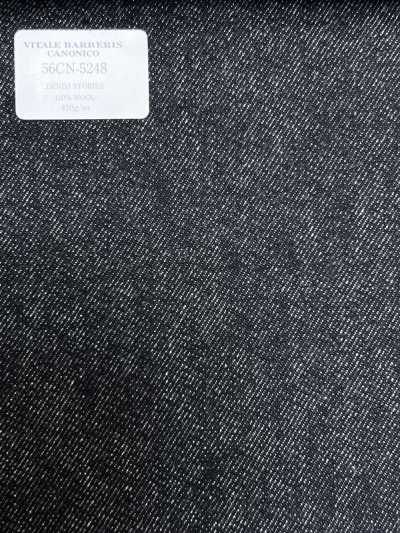
Its strengths include high-density fabrics made with fine yarn, yarn-dyed production that makes the most of color and pattern, and finishing processes such as fulling and brushing that enhance texture. However, specific techniques and quality must be confirmed according to the fabric manufacturer, design, and processing conditions.
Representative Fabrics and Applications
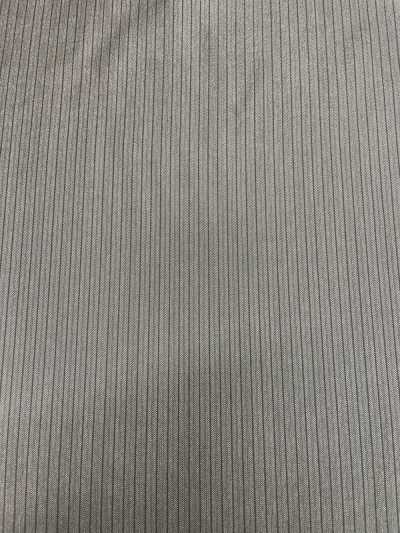
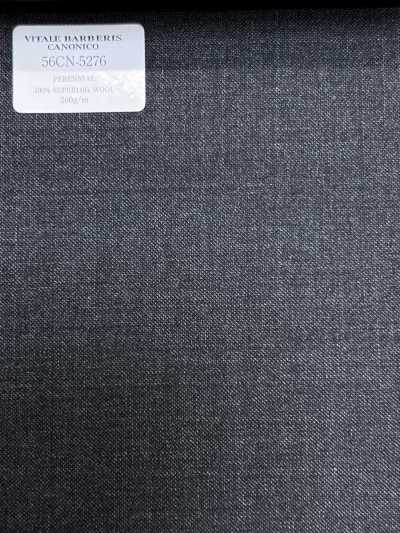
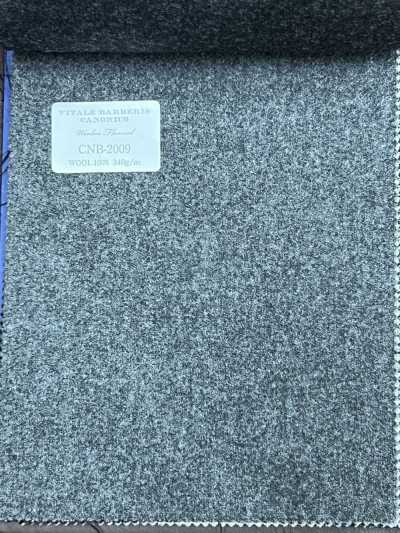
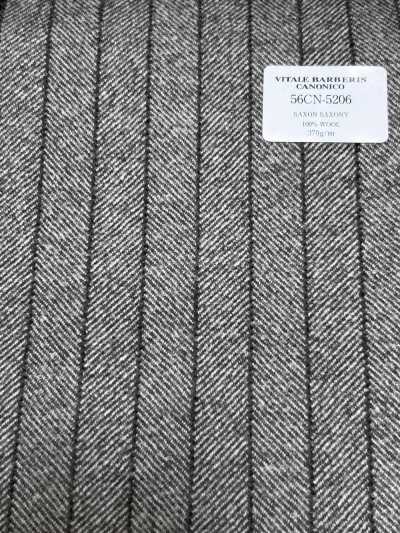
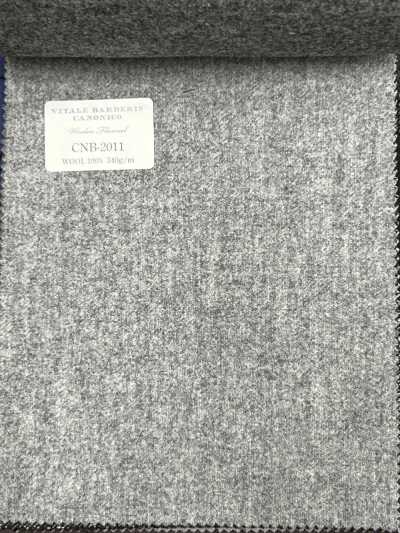
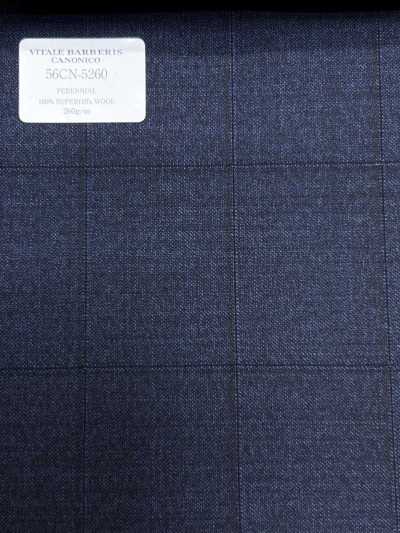
Typical examples include worsted wool fabrics for suits and jackets, flannel, gabardine, serge, tweed, and coat fabrics. You will also find suiting made by blending wool with silk, cashmere, mohair, and other fibers to adjust luster, lightness, warmth, and surface texture.
Applications are mainly tailored jackets, suits, slacks, and coats. Fabric thickness, stretch, drape, and abrasion resistance differ by product number, so it is important not to judge a Biella fabric's performance by application alone.
- Worsted wool plain weaves and twills are often used for suits and jackets.
- Flannel, tweed, and brushed fabrics are used for autumn and winter jackets and coats.
- Blended materials and finishing processes change the hand and handling even for the same application.
Points to Check When Procuring
When checking a production-area label, note that the origin of the raw material, spinning location, weaving location, and dyeing and finishing location are not necessarily the same. Confirm with the supplier which process or region the “Biella” designation refers to, so you can avoid discrepancies in labeling and descriptions.
For imported suiting fabrics, confirm continuity at an early stage. Check color and texture differences from roll to roll, stock availability, minimum order quantity, whether additional production is possible, and lead times for sample rolls and bulk production. Before mass production, test sewability and shrinkage with actual fabric if necessary.
- Blend ratio, fabric weight, fabric width, weave structure, and finishing method
- Which process is indicated by the production-area label and how country-of-origin labeling is handled
- Whether it is stock fabric or made to order, minimum lot size, and conditions for additional orders
- Color code and lot differences, and differences between sample rolls and bulk rolls
- Lead time, transport conditions, and quality inspection standards
Differences from Similar Terms
Biella is a production-area name, while “viyella” is a fabric name generally referring to a slightly brushed woven fabric made from cotton or cotton blends. Although the names are similar, a fabric from Biella is not necessarily a viyella weave or type, and the two should be distinguished.
Huddersfield and Bishu are also terms related to textile production areas rather than the names of the fabrics themselves. A production-area name is not a standard that uniformly guarantees quality, so in actual sourcing, compare based on fabric specifications, test results, and supply conditions.
Frequently Asked Questions
Does “made in Biella” mean the wool is also made in Italy?
Not necessarily. “Made in Biella” is generally an expression indicating the region or production base involved in fabric production, and it may be different from the origin of the raw material, such as wool. It is necessary to separate and confirm the raw material, weaving location, and dyeing and finishing location with the supplier.
Do Biella and viyella mean the same thing?
No, they do not mean the same thing. Biella refers to a textile production area in Italy, while viyella is used as a fabric name. Because the terms look similar in product names and conversation, it is reassuring to clarify in the specification whether the discussion is about the production area or about the fabric structure and hand.
What should you be careful about regarding lead times when sourcing fabrics from Biella?
Lead times vary greatly depending on whether the fabric is stock or made to order. Check stock status by color and product number, minimum lot size for additional production, the dyeing and finishing process, and shipping time. In mass production, you also need a flexible plan that includes the approval timing for sample rolls.