


Bijou
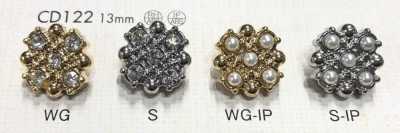
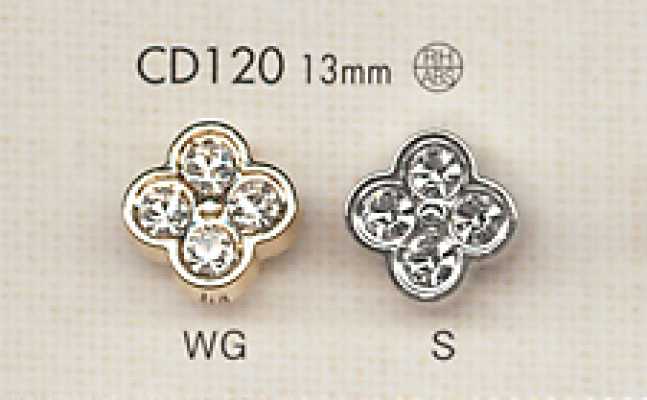
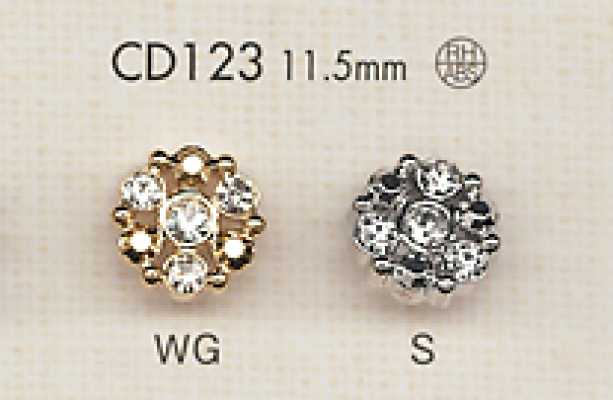
Bijou is a button that uses decorations such as rhinestones and imitation pearls to create a jewel-like brilliance and three-dimensional effect, and is mainly valued for its decorative appeal.
Contents7 sections
Definition and Overview
Bijou comes from the French word for jewel and, in apparel materials, refers to buttons decorated to look like jewelry. It is a button used not only as a front closure but also often as a design accent.
It may combine rhinestones, imitation pearls, glass, resin, and metal-look parts. The sparkle and impression change depending on the cut surfaces, settings, and arrangement of the decorations. In general, visual appeal is valued more than practicality.
Materials and Structure
For surface decoration on bijou buttons, glass or resin rhinestones and imitation pearls are used. The base varies, including metal, resin, and alloy-look materials, and some structures fix the decorations with prongs or adhesive.
The attachment methods are mainly two-hole or four-hole types with sewing holes on the back, and shank types with a loop on the reverse side. Because they have thickness and unevenness on the back, check by shape whether they are suitable for buttonhole use.
- Holed types are relatively easy to match with thin fabrics such as shirts and blouses.
- Shank types make the button surface more visible and are used for decoration on jackets and dresses.
- For heavy buttons, a backing button may be used together to prevent fabric stretching or sagging.
Size Indication
Button size is shown in millimeters for diameter, and may also be expressed in lignes. Lignes are a traditional unit indicating a button's outer diameter, and in orders and specifications, confirming the correspondence with mm notation helps prevent misunderstandings.
For bijou buttons, the apparent size and ease of passing through the buttonhole differ depending on the protrusion and height of the decorative part. In addition to outer diameter, thickness, shank height, hole diameter, and the actual buttonhole dimensions to be used must also be checked.
Main Applications
Used for blouses, cardigans, jackets, dresses, and gowns. When placed at the neckline, front opening, cuffs, or pocket openings, they are a material that can create a decorative effect even with a small number of pieces.
In costumes and formal wear, they may be used for all front-opening buttons, or only the top button may be made into a bijou as an accent. In areas that are likely to rub during wear, consider snagging and weight from the decoration.
How to Attach and Handling Precautions
When sewing on, choose button-sewing thread with a thickness that matches the hole or shank, and fasten securely so there is no wobble. For shank types, making a thread shank with a thread wrap secures appropriate ease between the button and the fabric surface even on thick fabrics.
Resistance to washing, dry cleaning, and ironing varies depending on the decorative material, adhesive method, and base material. Strong friction or impact, heat, or solvents may cause the stones to fall off, crack, cloud, discolor, or the adhesive area to deteriorate.
Before commercialization, it is important to confirm attachment strength with the actual fabric and sewing specifications, and to test under the intended washing or cleaning conditions. For ironing, avoid the button or use a pressing cloth to prevent direct heat and pressure.
Differences from Similar Terms
Rhinestone is the material name for individual decorative stones that create a jewel-like sparkle. Bijou usually refers to the entire button using such decorative stones, or to a jewelry-like design, and is distinguished from the material alone.
Pearl buttons refer to buttons with a pearl-like appearance. Bijou may include pearl-like decorations, but it differs in that it is characterized by sparkle from rhinestones and three-dimensional decorative appeal.
Frequently Asked Questions
Can bijou buttons be washed?
Whether they can be washed depends on the stone and base materials, the adhesive method, and the sewing specification. Since removal or clouding may occur with water washing, check the material handling conditions and perform a washing test before commercialization.
Are backing buttons necessary for bijou buttons?
For heavy buttons, shank types that concentrate the load at one point, or buttons attached to thin or stretchy fabrics, using a backing button together may be effective. It receives the sewing thread on the reverse side of the outer fabric and helps prevent fabric damage and button wobble.
What is the difference between bijou and rhinestone?
Rhinestone refers to decorative stones made of glass or resin. Bijou refers to buttons finished in a jewelry-like way by combining rhinestones, imitation pearls, and bases, or to that design, so the scope of meaning is different.
- Search products for "Bijou"
- Products with material "Glass"
- Products with material "Rhinestone"
- Products for style "For Shirts/blouses"
- Products for style "For Jackets/Suits"
- Products for style "For Formal Wear"
- Products for style "For Costumes/dresses"
- Products for style "For Skirts And Dresses"
- Browse Button products





