Chain Cord
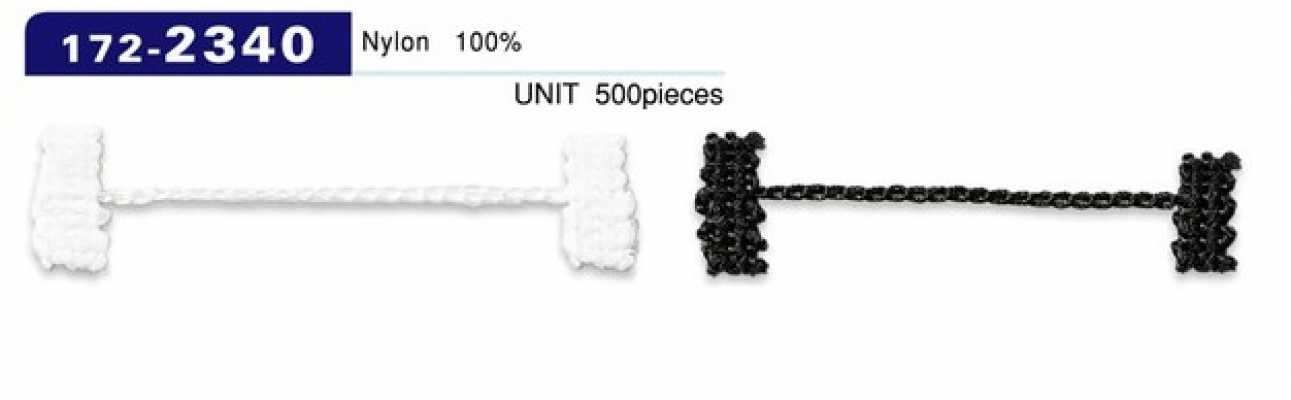
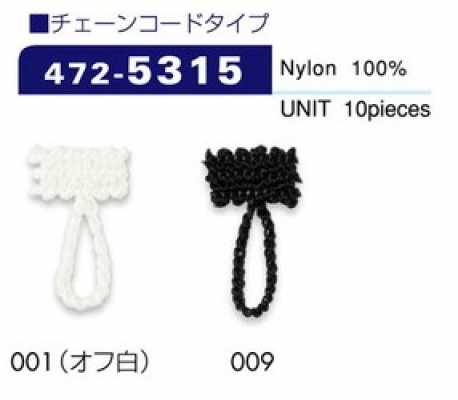
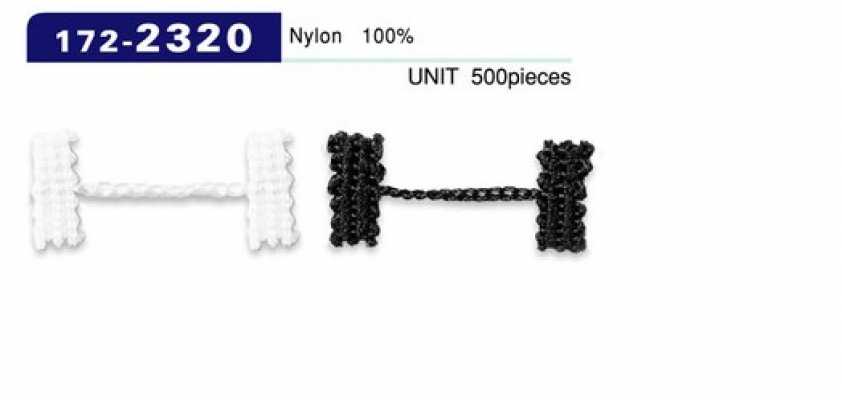
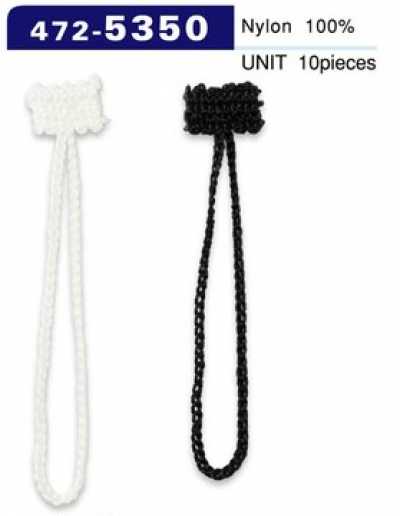
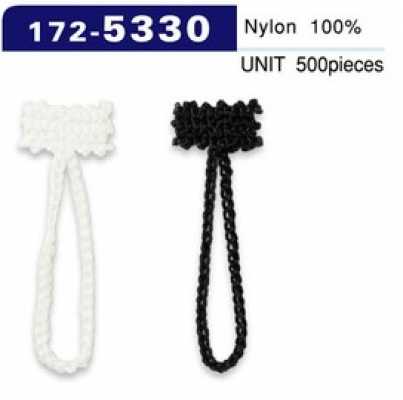
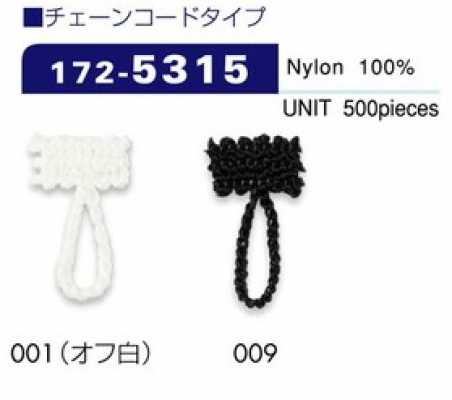
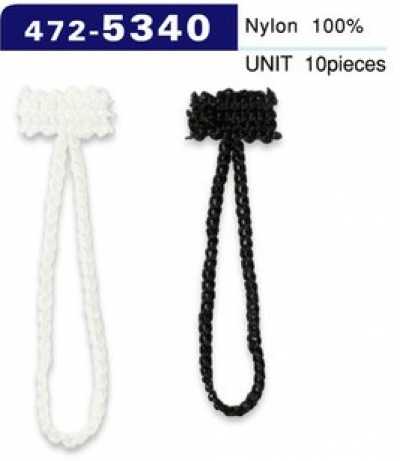
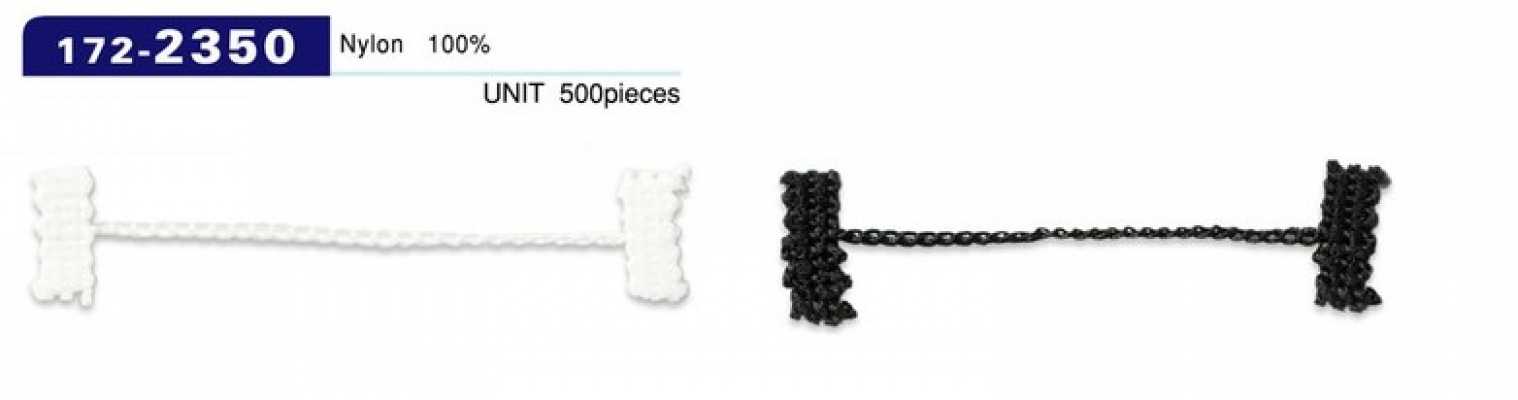
Chain cord is a thin cord with a chain-like appearance, used as a loop for frog button fastenings and as a subsidiary material for decorating clothing and fashion accessories.
Contents6 sections
Definition and Overview
Chain cord is a narrow cord that has a continuous, chain-like appearance. In the field of button loops and frog buttons, it is mainly used to make loops for fastening buttons and as a frog button fastening. Depending on its texture and sheen, it can serve both as a fastener and as decoration.
Used Areas and Role
For frog button fastenings, chain cord is made into loops at an appropriate length, sewn into places such as the body edge or cuffs, and hooked onto matching shank buttons to fasten them. It is used in places where it is difficult to make buttonholes, or in designs that need decorative appeal on the surface.
It is used for decorative fastenings on front openings, necklines, cuffs, pocket openings, stage costumes, and more. The loop length is adjusted to match the button size, thickness, and the bulk of the cord itself, so it is easy to hook on and not likely to come off during use.
Materials and Types
Rayon versions are supple and easy to give a glossy finish, making them suitable for dresses and decorative garments. Types with a metallic design use a metal-like appearance to create a bright accent.
The impression changes depending on the color, thickness, size of the chain-like section, and whether it has sheen. For button-hooking applications, it is important to check not only the appearance, but also the recovery when formed into a loop, the thickness of the sewn-in section, and resistance to fraying or damage caused by friction.
How to Choose and Sewing Precautions
It is important to decide on the button to be used first and make a sample loop length with the actual product. If the loop is too short, it will be hard to hook; if it is too long, it will come off more easily. The height of the button shank, the thickness of the outer fabric, and whether there is interfacing also affect the finished result.
Be sure to allow enough of the cord ends inside the seam allowance, and securely fix areas that bear concentrated tension with backstitching or similar methods. Some materials may deform or change sheen when exposed to heat, so test pressing with an offcut beforehand, and handle it so the surface is not crushed.
- Before sewing in, align the left and right positions and the direction of the loop.
- For metallic types, check for scuffing or scratches from the sewing needle or presser foot.
- Assuming washing and repeated fastening and unfastening, check the hook-on performance with the button and the sewing strength on a sample piece.
Differences from Similar Terms
Button loop may refer broadly to any subsidiary material in loop form used to hook a button. Chain cord is one type of button loop, characterized by its chain-like appearance. Frog button may refer to the fastening method using a loop and button, or to the components that make up that fastening; it is not the name of the cord itself.
A belt loop is a loop for passing a belt through, so its purpose is different from chain cord, which is used to hook buttons. Piping is a finishing or decorative technique in which cord is covered with fabric and inserted into seam lines, so it is distinguished from chain cord, where the chain-like cord itself serves as the fastener.
Frequently Asked Questions
Can chain cord be used instead of a buttonhole?
It can be used as a loop to hook onto shank buttons and similar buttons. However, with flat buttons, the hold may be unstable. Check the button shape and thickness, loop length, and sewing position on the actual product, and make it so it is not likely to come off even with repeated fastening and unfastening.
What is the difference between chain cord and frog button?
Chain cord is the material name for a chain-like cord. Frog button generally refers to a fastening method that combines a loop and a button, or the structure of that fastening. Chain cord is one of the materials that can be used for the loop part of a frog button fastening.