Frog Button
A frog button is an accessory part made by sewing a loop of cord, tape, or similar material onto a garment and passing a button through it to fasten a front opening, cuff, or similar section.
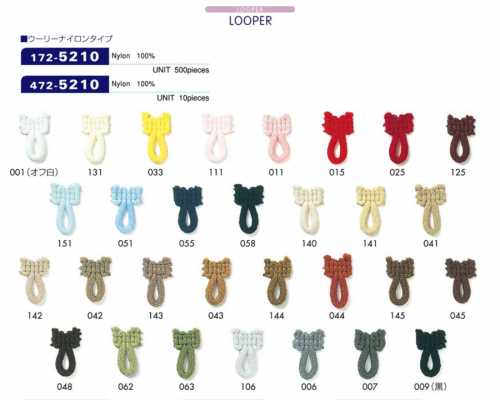
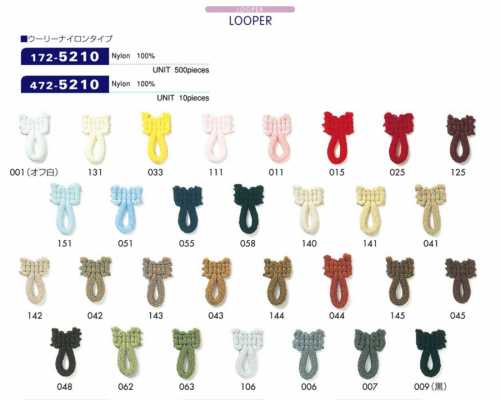
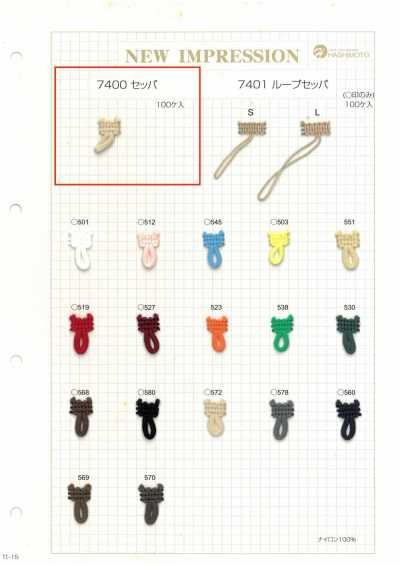
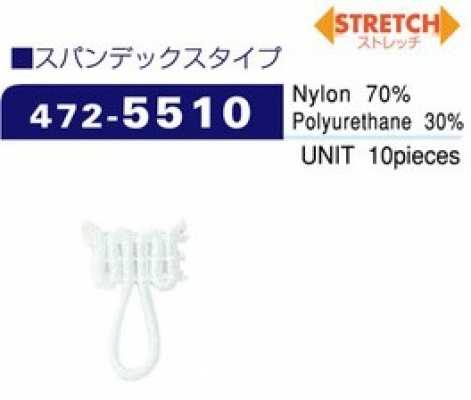
Contents6 sections
Definition and Overview
Frog button is a part made by sewing in a loop of cord or narrow tape and used as the receiving side for fastening a button. It is attached so the loop projects from the front edge, and the button is passed through the loop to open and close the garment. It is often an accessory that combines decorative appeal and practicality.
It is sometimes called "button fastening," but in practice frog button may refer either to the loop itself that receives the button or to the entire specification. In a spec sheet, clearly stating the placement, finished loop dimensions, material, and color helps prevent misunderstandings.
Where It Is Used and Its Role
It is mainly used in areas such as Chinese-style front openings, necklines, cuffs, back openings, and necklines where buttonholes are difficult to make or where the design is meant to stand out. It is sewn into the fabric edge to create allowance for the button to fasten and provides the opening and closing function for putting the garment on and taking it off.
Because a slender loop appears on the front side, the combination of the button and frog button in terms of material feel and thickness affects the garment's impression. If arranged in a series, it creates a decorative front opening; if used sparingly, it functions as a delicate fastener at the neckline or cuffs.
Materials and Types
Frog buttons are made using braided cord, round cord, flat cord, cord, narrow tape, or self-fabric. In general, synthetic fiber or rayon-based cord is common, and the finish changes depending on luster, firmness, softness, and color development. When made from self-fabric, a sense of unity with the garment can be achieved.
Shapes include round frog buttons with a circular cross-section, flat tape-like types, and types made by sewing self-fabric into a tube. The thickness and firmness of the loop are selected according to the button shank height, thickness, and diameter.
- Round cord / braided cord: gives a three-dimensional look and suits decorative specifications.
- Flat cord / tape: the sewn-in section tends to be stable and the finish is relatively neat.
- Self-fabric frog button: makes it easier to match the color and pattern of the main fabric, but reinforcement should be considered for lightweight or fray-prone fabrics.
Selection and Sewing Considerations
Set the loop size so the button can pass through smoothly and is not easily released after fastening. If the loop is too small, opening and closing becomes difficult; if too large, the button may come off easily. Before mass production, it is important to combine it with the actual button and test repeated opening and closing.
Because force during opening and closing concentrates on the sewn-in section, consider the amount caught in the seam allowance and the reinforcement method. On lightweight fabrics, stretchy fabrics, and brushed materials, seam waviness and seam slippage are more likely, so the use of interfacing or stay tape is also an option.
The ends of the cord are prone to fraying, so end finishing should be done in advance, and the length and direction of the left and right loops should be matched. Heat-sealing the ends may cause discoloration or hardening depending on the material, so preliminary testing is necessary.
Differences from Similar Terms
Looper is a general term for loop-shaped parts used to fasten buttons. Frog button may be treated as one type of looper, and is especially used as the name for a button fastening made by forming a loop from cord or string and sewing it in. The way these terms are used varies by company and region.
A buttonhole is a specification in which the button is passed through an opening made in the fabric by overcasting or similar stitching. In contrast, a frog button has a separately made loop projecting from the fabric edge to fasten the button. Chinese button often refers to the entire fastener made by tying braided cord, and its structure differs from a simple loop frog button.
Frequently Asked Questions
How is the loop size of a frog button determined?
Based on the button's diameter, thickness, and shank shape, the size is set so the button passes without resistance and is not easily released when fastened. Since the ease of insertion also changes with cord thickness and elasticity, the setting is made by testing the actual item before mass production.
Can frog buttons and buttonholes be used differently?
Yes. If you want a design effect by showing the loop without making a hole in the fabric, a frog button is suitable. On the other hand, when a clean appearance and stable opening and closing are desired, such as on a shirt placket, a buttonhole is often chosen.
How should it be sewn so the frog button does not come loose?
Ensure sufficient catching into the seam allowance and sew the sewn-in section multiple times to secure it. In high-stress areas or on lightweight fabrics, reinforce the base with interfacing or stay tape, and perform tensile testing assuming actual use.