Cheviot
Cheviot is the wool from Cheviot sheep, or a wool fabric made mainly from that wool, characterized by a somewhat coarse, resilient texture.
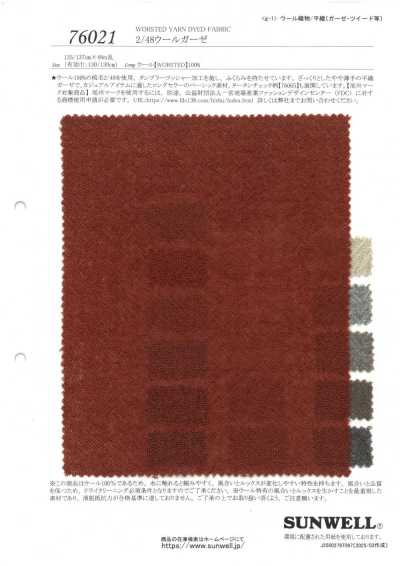

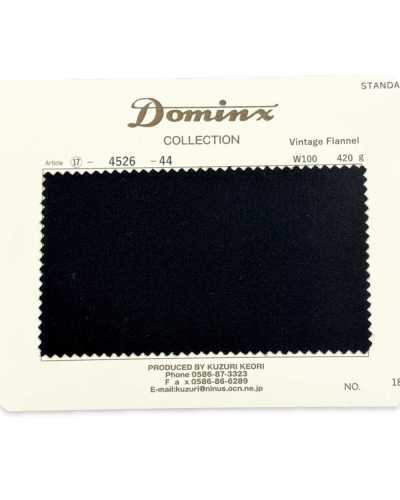
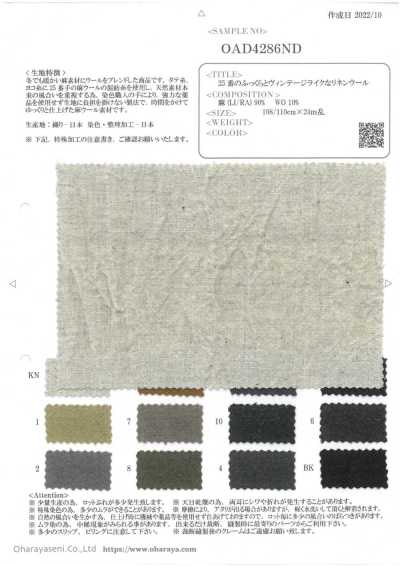
Contents6 sections
Definition and Overview
Cheviot originally refers to wool from the Cheviot Hills on the border between England and Scotland. Today, it is also used to refer to wool fabrics that make use of the qualities of that wool, as well as apparel fabrics with a similar feel.
Because it is used for both the name of the fiber itself and the name of the woven fabric, it is important to check the material composition, blend ratio, weave structure, and finishing separately. The term Cheviot alone does not identify the fabric structure or thickness.
Characteristics
In general, Cheviot has a moderate thickness and resilience, and is a material that readily produces firm body and spring. Compared with fine-count worsted fabrics that emphasize smoothness, it has a rustic, slightly dry touch and a practical look.
Depending on the weave and the degree of fulling, light surface fuzz or loft may appear. It is suitable for apparel fabrics that require a tailored look and durability, but softness, lightness, and luster vary greatly depending on the fineness of the raw material, blending, and finishing.
Main Uses
Its relatively firm texture makes it suitable for jackets, suits, pants, skirts, and coats. While it is strongly associated with autumn and winter, thinner versions with a lower fabric weight may also be used as fabrics for the change of seasons.
When deciding on an application, do not judge by the Cheviot name alone; check the fabric weight, width, thickness, sheerness, warmth retention, and finish. For designs with little ease, also confirm drape and how well it follows curved areas with a sample.
- Tailored jackets
- Suits
- Pants
- Skirts
- Coats
Selection and Handling Notes
Cheviot, which is mainly wool, may shrink or change in texture due to moisture, heat, or friction. Washing methods differ by fabric and product, so follow the care label and perform washing tests and shrinkage checks before mass production.
Before cutting, relax the fabric by spreading it out to release tension and align the grain. For fabrics with fuzz or finishes where the nap stands out, if the cutting direction is not aligned, it may appear as if there is a difference in color tone. When sewing, choose needles, thread, and seam finishing that suit the thickness, and pay attention to the pressing cloth and the amount of steam when ironing.
Differences from Similar Terms
Cheviot is a term for raw wool or wool fabrics that make use of its characteristics, whereas tweed broadly refers to wool fabrics with a rough appearance, generally made with thick spun yarns. The two may overlap, but they are not the same.
Flannel is a woven fabric characterized by a soft surface created by brushing, while Saxony is a name often used for relatively smooth worsted apparel fabrics. Compared with these, Cheviot tends to be treated as a fabric that makes use of resilience and durability.
Frequently Asked Questions
Is Cheviot the same as tweed?
No, it is not. Cheviot refers to a type of wool, or a wool fabric that makes use of its characteristics, whereas tweed is used as a general term for wool fabrics with thick yarns and a rustic appearance. In practice, fabrics are compared by checking the raw material, yarn, weave structure, and finish.
Can Cheviot fabric be washed at home?
In wool-based fabrics, home washing can cause shrinkage, felting, fuzzing, and loss of shape. It also varies depending on whether the fabric has been treated to be washable and on the blend ratio, so follow the care label first. Before the product is made, check dimensional change with a test wash.