


Chevron
Chevron is a pattern in which repeated chevron or V-shaped motifs create a zigzag appearance, and it can be expressed through weaving, knitting, or printing.
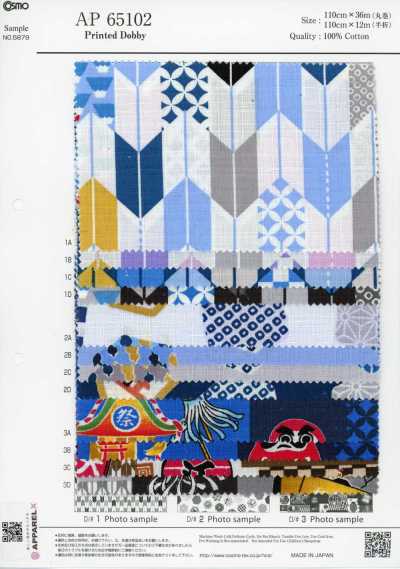
Contents6 sections
Definition and Overview
Chevron is a geometric pattern made up of continuous V-shapes or zigzag lines. The impression changes depending on the line thickness, color scheme, and spacing of the pattern, creating a sharp, dynamic look.
It is not the name of a fabric construction or material, but a term for the visual pattern. It is used regardless of the expression method, such as woven patterns, knitted patterns, or printed patterns.
Pattern Structure and Terminology
Chevron has a structure in which diagonal lines turn back partway through and form continuous zigzags. It ranges from versions that show only the direction of the weave in a single color to versions that use multiple colors to make the pattern stand out clearly.
In woven fabrics, a chevron pattern may be expressed by reversing the direction of the twill lines at regular intervals. Such woven patterns are sometimes called herringbone, and the terminology varies depending on the fineness of the pattern and common trade usage.
- Designs that repeat broad zigzag shapes
- Designs with closely repeated fine V-shapes
- Yarn-dyed or printed designs that show zigzags through color contrast
- Designs shown through the texture of woven or knitted structures
Main Applications and Seasonality
Chevron is used for apparel such as shirts, blouses, skirts, dresses, pants, and jackets. Because the eye moves diagonally, it is a pattern that works well as a design accent by using the size and placement of the motif.
Woven chevron patterns are also seen in wool jacket fabrics, coat fabrics, and tweed-like fabrics. On the other hand, because it is also used in lightweight printed fabrics and knits, the pattern itself is not tied to any particular season. The fabric material, thickness, and finish are selected according to the application and season.
Points to Note When Choosing Fabric and Cutting
During planning, check the size of one pattern repeat, the direction of the pattern, and the color contrast. Large chevron patterns tend to stand out, but on small parts the pattern may be cut off partway, resulting in a look different from the intended one.
When cutting, it is important to align the peaks and line heights of the zigzag across the front body, back body, sleeves, and pockets. In specifications meant to look symmetrical, the pattern is placed based on the center line. Whether the pattern direction is reversed or kept consistent should also be made clear in the specification sheet and cutting instructions.
To match the pattern repeat, more yardage than for a solid fabric may be required. Take the fabric width, pattern repeat, and pattern placement into account when marking, and check the appearance with a cutting sample before mass production.
Differences from Similar Terms
Herringbone refers to a continuous V-shaped pattern resembling fish bones, and it is often described as a woven structure or woven pattern in which the direction of the twill weave alternates. Chevron is broader, referring to any zigzag or V-shaped design, including prints and knits.
Stripe is basically a pattern of straight lines arranged in parallel, and its structure differs from chevron, which bends to form zigzags. Geometric patterns are a general term for patterns using straight lines, curves, and shapes, and chevron is one type of them.
Frequently Asked Questions
Are chevron and herringbone the same?
Because both appear as continuous zigzags or V-shapes, they are sometimes treated as having similar meanings in practice. However, herringbone often refers to a woven pattern or structure with alternating twill directions, while chevron is used more broadly as a design term that includes prints and knits.
How much extra yardage is needed when cutting chevron patterns?
The required extra amount varies depending on the size of the pattern repeat, fabric width, pattern shape, and the area where the pattern must be matched. In particular, when matching the pattern at the center front, side seams, pockets, and left and right body panels, the yardage tends to increase, so calculate the required amount after checking with marking.





