


Chusen
Chusen is a traditional Japanese dyeing technique in which a pattern is created on fabric with resist paste, dye is poured on, and the fabric is dyed while being suctioned from below.
Contents6 sections
Definition and Overview
Chusen is a dyeing technique in which rolled fabric is layered, resist paste is applied, and dye is poured onto each pattern to color the fabric. Because the dye is drawn through from below so that it penetrates to the inside of the fabric, the front and back tend to look relatively similar, which is a major characteristic.
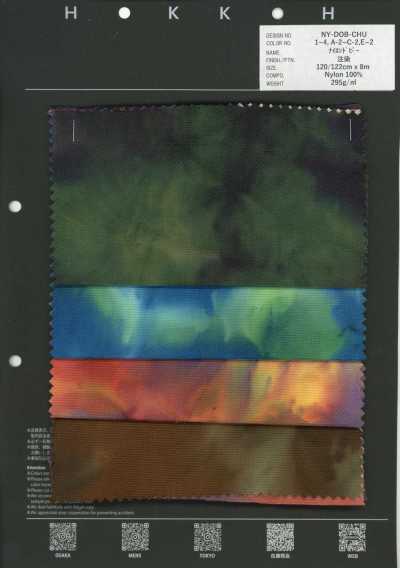
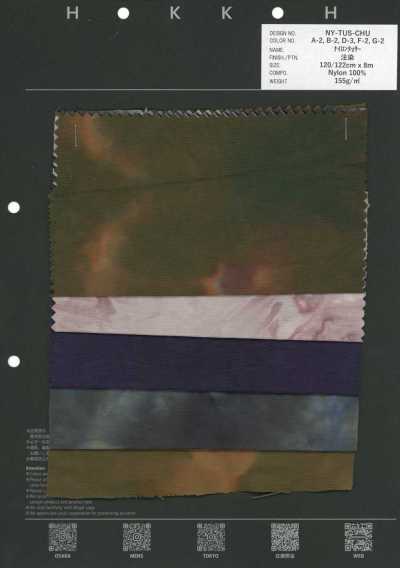
It is generally used to dye continuous patterns. It is known for cotton hand towels and yukata, but there are also examples made by adjusting the material, fabric structure, dye, and process conditions for nylon and other materials.
Texture and Visual Characteristics
As the dye penetrates the fibers, it creates a softer color expression different from printing, along with an appearance as if the pattern extends to the back side. Slight bleeding or tonal variation may occur at the edges of the color, and this is regarded as part of the unique appeal of Chusen.
Because of the nature of layering fabric and dyeing it, some individual variation occurs in how the pattern appears and in color depth. If a uniform, clearly outlined pattern is the top priority, it is important to confirm the acceptable range with samples before mass production.
- The front and back pattern appearance is relatively similar.
- It tends to produce a light, natural color tone from the dye.
- Bleeding at pattern edges and color variation become part of the expression.
- Breathability and absorbency are mainly affected by the base fabric material and structure.
Main Applications and Suitable Items
Chusen fabric is used for yukata, jinbei, hand towels, noren, and similar items, taking advantage of its strong pattern presence and light texture. It is often made with thin cotton textiles and can also be used for spring and summer shirts, blouses, dresses, skirts, and children's clothing.
When deciding on applications, it is important to check not only the dyeing method of Chusen but also the base fabric material, thickness, sheerness, and dimensional stability. For fabrics dyed by Chusen on synthetic fibers such as nylon, the lightness, strength, and surface texture of the base fabric also affect the final result.
Selection and Handling Notes
For mass production, color differences, pattern placement, pattern direction, and pattern repeat should be clearly specified in advance in the spec sheet. At cutting, allow for the necessary pattern matching and fabric allowance so that the pattern appearance is consistent on the left and right body panels and the front and back body panels. Large patterns and directional patterns may increase cutting loss in particular.
Shrinkage and skew are not unique to Chusen and mainly vary depending on the base fabric and finishing conditions. Before sewing, check the shrinkage rate for each roll of fabric and, if necessary, prewash the fabric. Before starting sewing, align the grainline and cut so that any pattern distortion will not stand out in the final product.
During washing, extra dye may come out at first, so it is common to wash separately from light-colored items. Prolonged soaking, strong friction, or leaving the item wet can cause color transfer or bleeding, so follow the care instructions for each item.
Differences from Similar Terms
Printing is a finishing method that expresses a pattern by applying ink or pigment to the surface of the fabric. In contrast, Chusen is a dyeing technique that passes dye through the fabric, so the pattern is more likely to appear on the back side as well. However, the degree of color appearance and penetration on the back side varies depending on the material and processing conditions.
Pattern dyeing is used as a general term for dyeing techniques that use stencils or patterns for resist or coloring. Chusen also uses a stencil and resist paste, but it is characterized by the process of pouring dye onto layered fabric and dyeing it by suction. Yarn dyed refers to a method in which yarn is dyed before weaving, so the stage at which dyeing occurs differs from Chusen, which dyes the fabric itself.
Frequently Asked Questions
How is Chusen different from printing?
Printing mainly applies a pattern to the surface of the fabric, while Chusen dyes fabric by passing dye through the pattern created with resist paste. For that reason, Chusen tends to show the pattern more easily on the back side as well, and differs in that it more readily produces a soft look with bleeding and tonal variation.
Does Chusen fabric shrink when washed?
The degree of shrinkage is determined less by Chusen itself and more by the base fabric material, weave, and finishing process. Shrinkage may occur especially with natural fibers such as cotton, so it is important to confirm the shrinkage rate before mass production and address it through prewashing or dimensional design as needed.
What should be noted when sewing Chusen fabric?
If the pattern has a direction or a large repeat, cut it with pattern matching in mind for the left and right sides and the front and back. It is also important to check for shrinkage and skew in the base fabric, align the grainline, and then cut. Dark colors also require attention to color transfer caused by friction during sewing.





