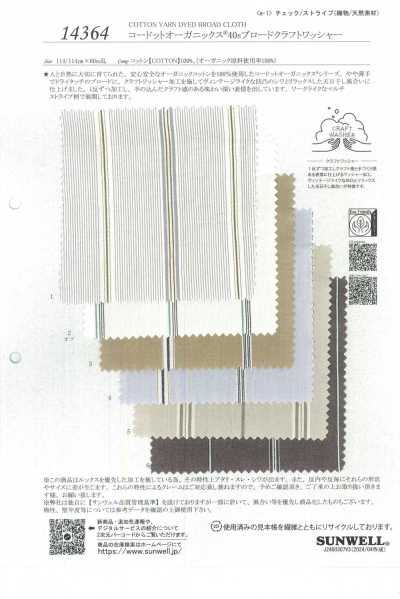
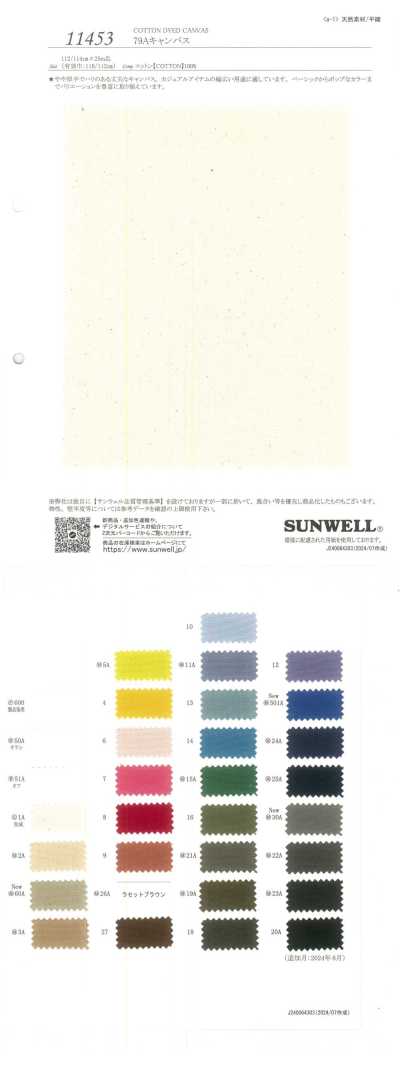
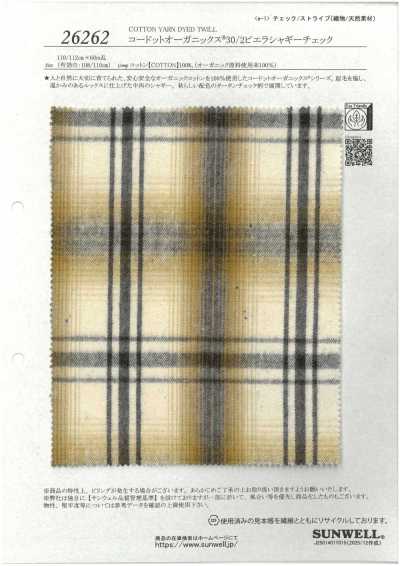
Color Code
A color code is a management code used to identify the color of fabric or accessories by a number or alphanumeric code specific to each supplier, and to specify color accurately when placing orders, preparing specifications, and inspecting goods.
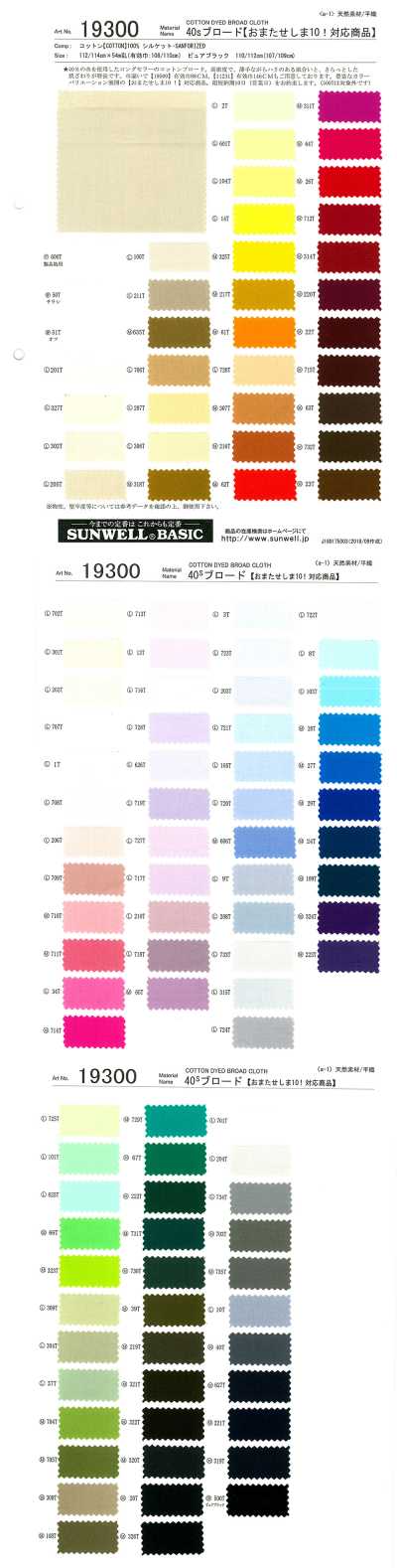
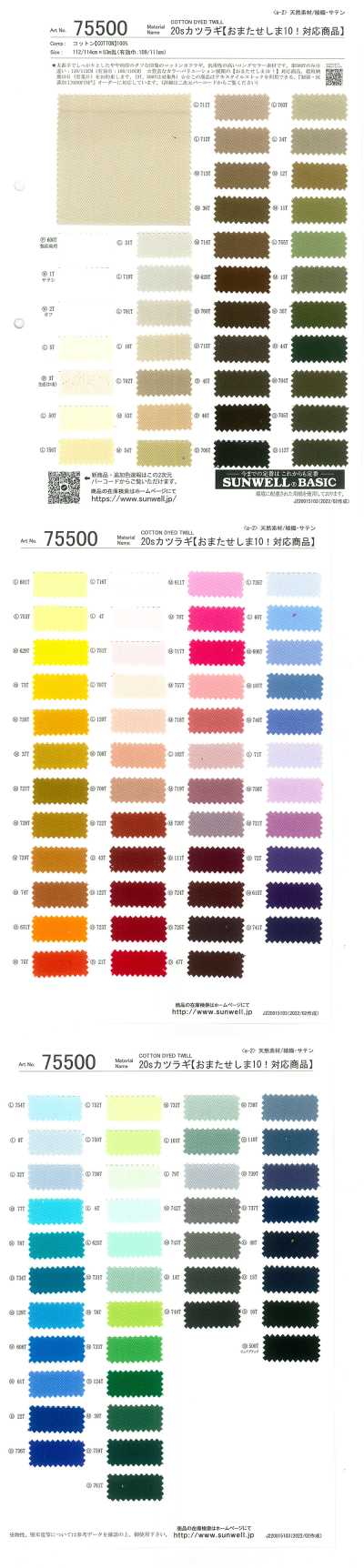
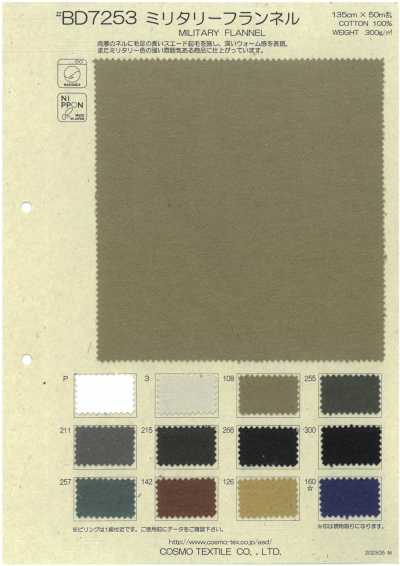
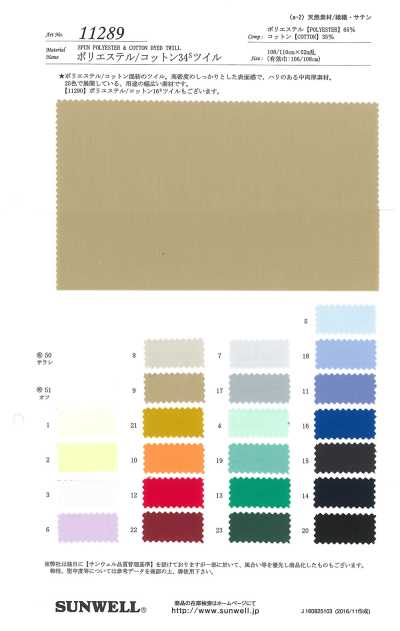
Contents6 sections
Definition and Overview
A color code is a symbol used to distinguish colors prepared under the same product number. In fabric, it is often listed together with the color name, and for accessories such as buttons and zippers, it may also be used as an abbreviation indicating the surface finish or hue.
There is no common nationwide standard for how color codes are assigned. Even the same number or letters can refer to different colors depending on the supplier, product number, material, or processing, so it is important not to handle the color code on its own.
Where It Is Used in Fabric Transactions
At the planning stage, candidate colors are selected from swatches or sample books, and the product number and color code are written in the specifications sheet. When ordering, they are specified together with the required quantity, rolls, and delivery date, and upon arrival they are checked against the markings on the slip, bolt tag, and selvage label.
For additional production or color matching, the product number and color code on past purchase orders are the key references. However, even with the same color code, color differences may occur when the production time or lot changes, so physical confirmation is also necessary.
- On purchase orders, write the product number, color code, color name, quantity, and unit together.
- On specifications sheets, clearly state the color code for the main fabric, lining, interlining, and accessories.
- During inspection, compare the color code on the bolt tag or shipping tag with the hue of the approved sample.
How to Read the Number and Key Points to Check
Color codes may consist only of numbers, alphanumeric characters, or symbols that abbreviate the color name. There is no general meaning in the number of digits or the order of the digits, and lower numbers do not necessarily mean lighter colors, nor do later numbers necessarily mean darker colors. Always check the company’s color swatch or product information.
Even for basic colors such as black, white, and off-white, the presence or absence of dyeing, gloss, fluorescent whitening, and the appearance may vary depending on the material. Do not decide based only on the screen display or color name; before mass production, share the approved color using swatches, sample rolls, lab dips, and similar references.
Points to Prevent Miscommunication
When communicating a color code, match the product number, color code, color name, revision date, and sample book edition as much as possible. To avoid misreading the color code, it is practical to leave written records in purchase orders or email rather than relying only on verbal communication.
With natural materials, naturally derived materials, heathered styles, patterned items, and accessories with surface variation, a single color code may include individual differences in hue or pattern. For products that require a uniform appearance, confirm the usage area and allowable range in advance.
Differences from Similar Terms
A color name is a name that expresses a color in words, such as "navy" or "beige," while a color code is an identification symbol used in transactions. The color name may be the same while the color code differs, and conversely, a color code may not have a color name attached.
Lot differences are a phenomenon in which the hue changes even with the same product number and color code due to differences in production time or dye lot. The color code is information for aligning specifications, but it is not a symbol that guarantees no color difference between lots.
Frequently Asked Questions
Can fabric be ordered by specifying only the color code?
This is not recommended. Because color codes have different meanings depending on the supplier and product number, at minimum the product number and color code should be specified together. Adding the color name, sample book edition, and approved swatch information also makes it easier to avoid confusion with similar product numbers or revised color codes.
If the color code is the same, will a reorder produce the same color?
Even with the same product number and color code, differences in hue may occur depending on the dyeing time, lot, or material characteristics. If a reorder will be used together with existing products, consult the supplier about color matching with stock rolls, whether lot designation is possible, and confirmation of preproduction samples.
Which should be checked first, the color code or the color name?
Use the product number and color code for transactional specifications, and confirm the final appearance with the approved sample. The color name is useful as supporting information for sharing an image of the color, but because there is room for interpretation, avoid making ordering or inspection decisions based on the color name alone.