Mixed-fiber Yarn
Mixed-fiber yarn is a yarn made by blending two or more different types of fibers within a single yarn, using the characteristics and shrinkage differences of each fiber to express texture, appearance, and functions.
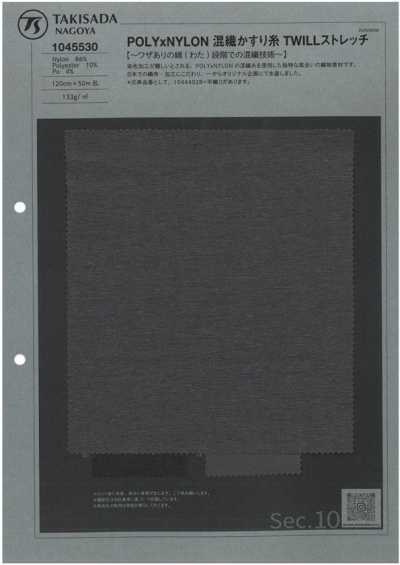
Contents6 sections
Definition and Overview
Mixed-fiber yarn is a yarn composed by blending multiple types of fibers. It aims to achieve textures and performance that are difficult to obtain with a single-material yarn by taking advantage of differences in fiber material, cross-sectional shape, thickness, dyeability, and heat-induced shrinkage.
In addition to combinations of synthetic fibers such as polyester and nylon, there are also examples that use fibers with different cross-sectional shapes. Because the fiber blending process and how the fibers are mixed vary depending on the material design, the term mixed-fiber yarn alone does not indicate the blend ratio or performance.
Characteristics and Expression
Textile made with mixed-fiber yarn can express deep color tones, subtle iridescence, or heathered looks, depending on differences in luster and dye uptake among the fibers. In addition, mixed-fiber yarn with differential shrinkage, which combines fibers with different shrinkage properties, may produce natural texture, volume, and random wrinkle effects after processing.
There are also designs that combine lightweight properties, moisture absorption and quick-drying performance, UV protection, and stretch. However, these functions are not determined solely by being mixed-fiber; they vary greatly depending on fiber type, structure, density, and post-processing.
Main Applications
It is used for shirts, blouses, cut-and-sew tops, dresses, pants, and light outerwear, taking advantage of its distinctive surface feel, lightness, and dry touch. In designs that suppress sheerness even in lightweight fabrics, or that emphasize a fabric that does not cling to the skin, it may be adopted for spring and summer apparel.
When designed to make use of warmth retention or volume, it is also used for autumn and winter knitwear and outerwear materials. It is important to determine applications by checking the fabric weight, thickness, stretch, and hand after finishing, rather than relying on the yarn name.
Selection and Handling Notes
At the planning stage, confirm not only the blend ratio but also shrinkage after washing, skew, surface changes, and color differences using fabric swatches. Fabrics made with differential-shrinkage mixed-fiber yarn may change appearance due to heat or humidity, so washing tests and confirmation of ironing conditions should be carried out before mass production.
In sewing, adjust the needle, thread, and feeding conditions to match the fabric's stretch and slipperiness. In combinations that shrink easily with heat, caution is needed regarding fading and dimensional changes caused by excessive pressing. Always follow the washing symbol for each fabric and the test results for washing methods, drying, and ironing temperature.
- Before cutting, let the fabric relax to settle shrinkage and curling.
- To prevent seam slippage and puckering, check the stitching conditions with a test seam.
- When using color contrast or post-processing, check in advance for differences in dyeing between fibers and whether color transfer occurs.
Differences from Similar Terms
Blended yarn generally refers to spinning yarn by mixing mainly staple fibers at the raw material stage. Mixed-fiber yarn also involves blending fibers, but it is used for combinations that include filaments as well, and may be used as a broader term that does not limit the material or method.
Union fabric refers to woven fabric construction that uses different yarns for the warp and weft, and mixed knitting refers to knitted construction that uses different yarns within the knitted fabric. These describe the arrangement of yarns when made into fabric, whereas mixed-fiber yarn is a term that focuses on the combination of fibers that make up a single yarn.
Frequently Asked Questions
Are mixed-fiber yarn and blended yarn the same?
Both refer to the idea of combining multiple fibers, but blended yarn generally means yarn spun by mixing staple fibers. Mixed-fiber yarn is also used when filaments are included, and usage varies depending on the industry and the material description. In specifications, also check the fiber types and blend ratio.
Do fabrics made with differential-shrinkage mixed-fiber yarn shrink easily?
Because they use differences in shrinkage to create texture, dimensions and surface appearance may change with heat or washing. However, the actual shrinkage rate depends on the fiber composition, woven or knitted structure, and dyeing and finishing processes. Before adoption, perform washing tests and pressing tests, and confirm sewing conditions and labeling.
Does mixed-fiber yarn always provide moisture absorption and quick-drying performance?
Even with mixed-fiber yarn, moisture absorption and quick-drying performance are not always guaranteed. Fiber absorbency, cross-sectional shape, capillary structure, woven or knitted density, and finishing processes all affect performance. For required applications, select the fabric by checking the test results for the fabric specification and performance after washing.