Duck Cloth
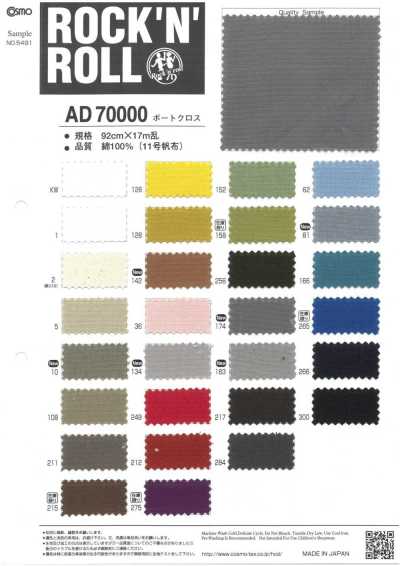
Duck cloth is a durable, stiff, heavy plain weave fabric made by weaving thick cotton yarns at high density, used for workwear, bags, and similar items.
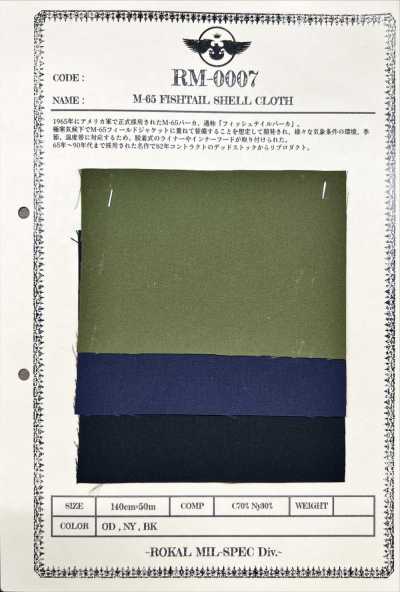
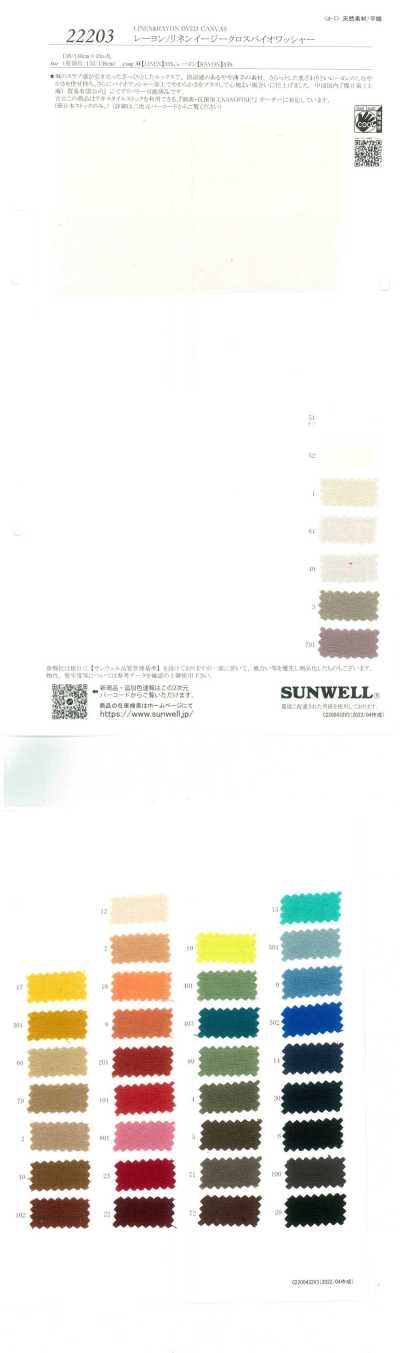
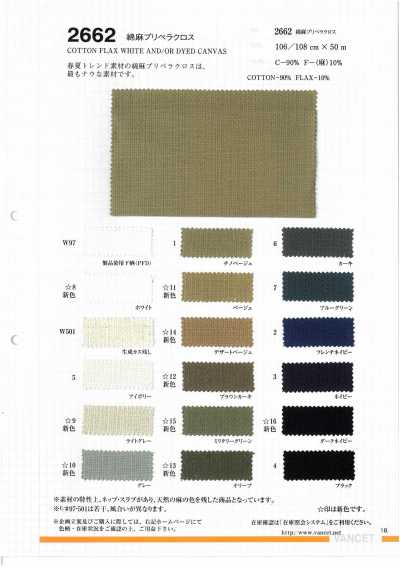
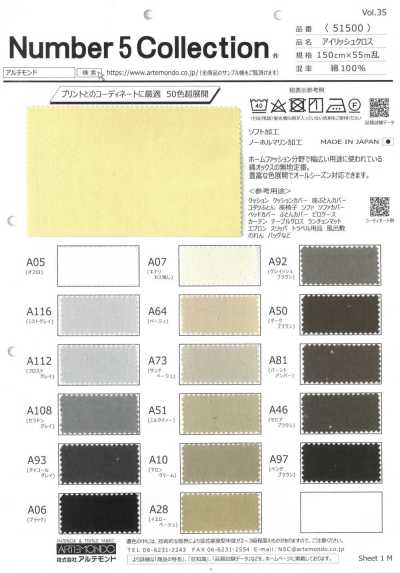
Contents6 sections
Definition and Overview
Duck cloth is a thick woven fabric made mainly from cotton and tightly woven in a plain weave. Its tightly packed yarn structure gives it a firm hand and durability. It is also called duck, cotton duck, or duck fabric.
The weave is basically plain weave, but the thickness of the yarn, weaving density, fabric weight, and dyeing or washing processes can greatly change the stiffness and surface texture. For this reason, duck cloth is not a term that indicates a single thickness or texture, but is used as a collective name for a group of fabrics.
Features
It is characterized by body and firmness from its thickness and density, making it easy to hold its shape. The surface is relatively matte, and ranges from one where the weave is easy to see to one finished through processing for a softer, more subdued look. It also has the simple, casual feel typical of cotton.
It is suitable for applications that require resistance to friction and pulling, but softness, breathability, and water repellency vary depending on the specifications and processing. Thick, stiff varieties may not be suitable for uses that require light drape or fine gathers like lightweight apparel.
- Durable fabric feel from a high-density plain weave
- Has body and firmness, making it easy to create a three-dimensional silhouette
- Washing can give it a softer finish while retaining its substantial thickness
- Untreated cotton materials cannot be assumed to have water-repellent performance
Main Applications
It is used for workwear, military-style jackets and blousons, pants, overalls, and similar items. It makes good use of the fabric's presence and is not limited to autumn and winter clothing; if the specification is relatively light, it is also used for casual spring and summer items.
Beyond apparel, it is also used for tote bags, pouches, hats, aprons, covers, and similar products. It is suitable for products that require structure and durability, but in bag applications, stress concentrates on seams and handle attachments, so reinforcement appropriate to the specification is necessary.
Selection and Handling Notes
When selecting, check the fabric weight, fabric width, thickness, density, and whether a finishing process has been applied. If you want to make use of stiffness, consider an unwashed texture; if you value comfort after wear, consider one with a washer finish or washing process. Confirm the strength required for the application through prototyping.
Duck cloth made mainly from cotton may shrink when washed or pre-wetted. If product washing will be performed or dimensional stability is important, check the shrinkage rate in advance and test under the same conditions as mass production. Dark colors also require attention to color transfer from friction and color fading during washing.
Because it is thick, thread passage may become poor in overlapping areas, and seam slippage or puckering may occur. It is important to choose needles and sewing thread suitable for the fabric, and to adjust finishing methods to reduce seam allowance bulk, feed conditions, and presser foot pressure through test stitching.
Differences from Similar Terms
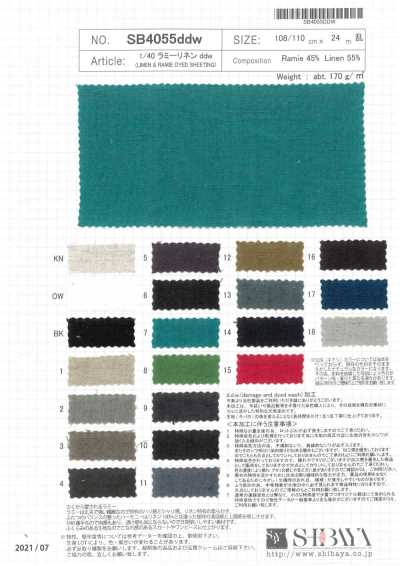
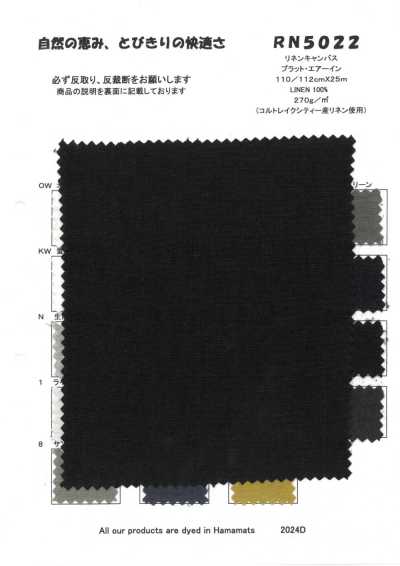
Canvas is a general term for thick, durable plain-woven fabrics and has applications and an appearance similar to duck cloth. Because the distinction between the two can overlap depending on the market and place of origin, do not judge structure, material, or thickness by name alone; check the specifications.
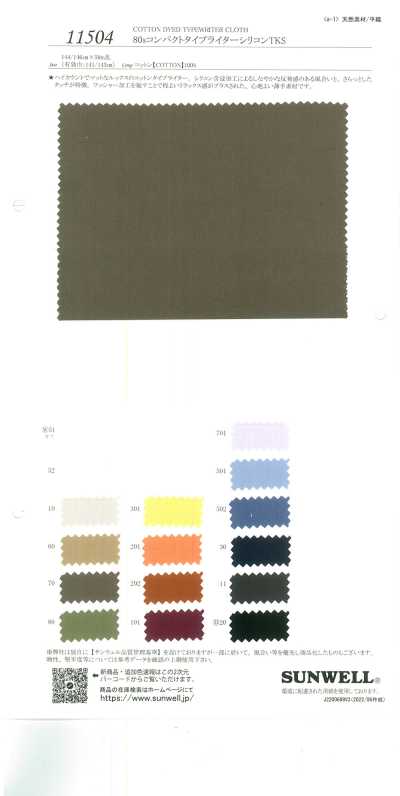
Chino cloth, twill, and denim are twill weaves, and differ from plain-weave duck cloth in that they show diagonal ribs. While chino cloth and denim have the distinctive appearance of twill weave, duck cloth makes use of the grid-like surface of plain weave and a more rugged firmness.
Frequently Asked Questions
What is the difference between duck cloth and canvas?
Both are handled as durable thick plain-woven fabrics, and their uses and appearance may overlap. Duck cloth often refers to high-density cotton plain weave, while canvas is a broader term. However, usage in distribution varies, so check the blend ratio, structure, fabric weight, and processing content before choosing.
Does duck cloth need to be pre-washed before cutting?
If the material is mainly cotton and dimensional changes after washing are expected, pre-washing before cutting or checking shrinkage is effective. However, for fabrics with shrink-proof treatment, water-repellent treatment, coating, or similar finishes, processing may change performance and texture. Check the fabric care instructions and processing details.
What should I be careful about when sewing duck cloth?
In thick areas, needle breakage, skipped stitches, and seam slippage are more likely to occur, so match the needle and sewing thread thickness, feed, and presser foot pressure to the fabric. In particular, multi-layer sections such as pocket openings, belt loops, and handle attachments should be test-stitched, and bulk should be controlled by gradually thinning seam allowances and similar methods.