Fabric-covered Buckle
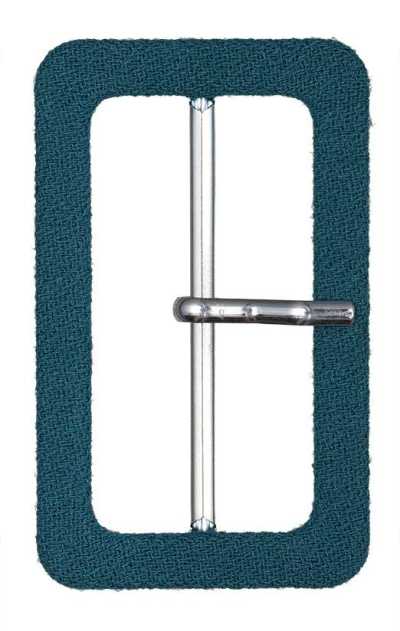
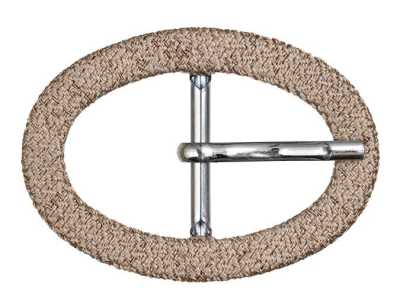
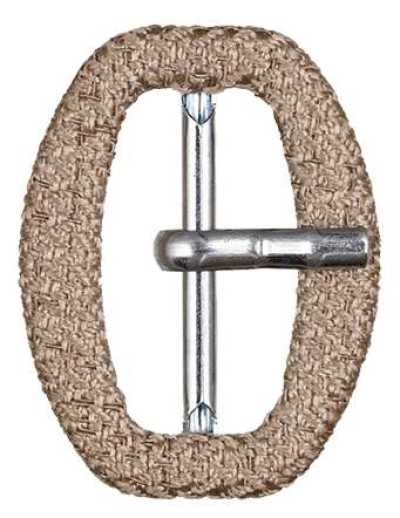
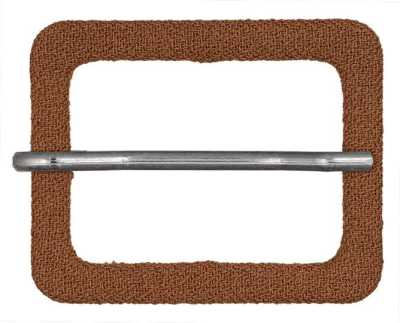
A fabric-covered buckle is a buckle made by covering a core material such as metal or resin with fabric, and used as a fastener or decoration for belts or matching-fabric straps.
Contents7 sections
Definition and Overview
A covered buckle is a garment accessory where the surface of the buckle body is covered with fabric. By covering it with the same fabric, it is easier to create a sense of unity with the garment and a soft appearance where the metal surface is not visible.
Buckles come in various shapes, including square, round, and curved, and can be fastened with a pin through a hole or used purely as a decorative element. The shape, fastening method, and core material structure of the buckle vary from product to product, so it is necessary to check the specifications.
Materials and structure
The core material is typically made of metal or resin, and the outer fabric is wrapped around it or covered with a sewn-on fabric cover to finish it off. The outer fabric is usually the same fabric used for the garment.
Thin fabrics are prone to sheerness the corners of the interlining material or the color of the base material, while thick fabrics and brushed materials tend to lose their shape due to the thickness concentrating at the corners. fabric with high elasticity, fabric that fray easily, and stiff coated fabric should also be checked in advance for suitability for wrapping.
- While metal cores tend to maintain a relatively stable shape, their weight and susceptibility to rust must be considered.
- While resin cores may be lightweight, their durability under various usage environments and loads must be checked.
- The outer fabric may be the same material as the garment itself, or it may be a different fabric or synthetic leather.
How to express size
The size of a covered buckle should be determined not only by its outer length and width, but also by the inner dimensions of the opening through which the belt or tape passes. The inner dimensions represent the effective width of the opening and are directly related to the width of the tape used and the thickness of the fabric after it has been wrapped.
It is important that the width of the tape you thread through has an appropriate margin relative to the inner dimensions of the opening. If the width is insufficient, it is prone to slipping sideways, and if the width or thickness is too large, it will be difficult to thread, cause friction on the surface, and reduce operability.
- Outer dimensions of the buckle and inner dimensions of the opening
- Finished width of the tape or belt to be used
- Thickness after wrapping with the same fabric
- When using a tsuku rod, specify the hole diameter, hole position, and number of holes.
Main applications
These belts are made from the same fabric as the garment, such as dresses, skirts, blouses, and jackets, and are used as decorative elements around the waist. The purpose is to create a sense of unity in the design by using the same material as the clothing.
Choosing a vibrant fabric or a curved shape can add a touch of elegance to formal wear or dresses. On the other hand, for everyday applications where strong pulling is required, the strength of the buckle itself and the attachment point should be prioritized, in addition to its aesthetic appeal.
How to choose and points to note
During the selection process, we check the thickness and processing suitability of the outer fabric, the required threading width, the force applied during use, and the weight of the finished product. With the sample, we actually thread the belt through and fasten and unfasten it to check for wrinkles, abrasions, lifting of the outer fabric, and the appearance of the corners.
If the product contains metal cores or metal parts, check for the possibility of rust or discoloration due to sweat, humidity, washing, and storage conditions. For light-colored outer fabrics, metal discoloration and the effects of adhesives may be more noticeable, so consider the combination of materials and test conditions.
For products requiring needle detection, the specifications clearly indicate whether or not metal is used in core materials, rods, fasteners, etc. Whether or not needle detector compatible is determined according to the management standards of the sales destination and product category, and compliance with the needle detection process is confirmed before mass production.
Differences from similar terms
A covered button is a button with a core material wrapped in fabric, and it is an accessory that is opened and closed by passing it through a buttonhole. Covered buckles differ in that they are used to fasten belts or tapes as buckles, or to decorate the area around a belt.
Common buckles include those that leave the surface of the metal or resin exposed. Covered buckles, on the other hand, emphasize a finish where the surface is covered with fabric, and even though they are both buckles, their appearance and the points to note during sewing and processing differ.
FAQ
What criteria do you use when choosing the size of a walnut buckle?
Don't rely solely on external dimensions; use the internal dimensions of the opening for the belt or tape as a guide. In addition to the finished width of the tape to be used, also check the thickness that will be added by wrapping it with the same fabric. For the tsuku-bo type, also check in a prototype that the hole diameter and hole position match the tsuku-bo.
Can thick fabric be used for covered buckles?
While it may be possible to use this method, if the thickness is concentrated in corners or curves, the fabric is prone to wrinkling, lifting, and deformation. The fabric product will vary depending on the thickness, elasticity, wool length, and tendency to fray of the fabric, so we will perform a prototype wrapping process on the actual material.
Can a walnut buckle be used for needle detection?
Specifications that include metal cores or ferrules may trigger a metal detector, but whether or not a detector reacts and the detection conditions will vary depending on the material and shape of the parts and the settings of the metal detector. It is important to clearly indicate the parts used and perform pre-checks in accordance with the product's metal detection standards.