Crisp Feel
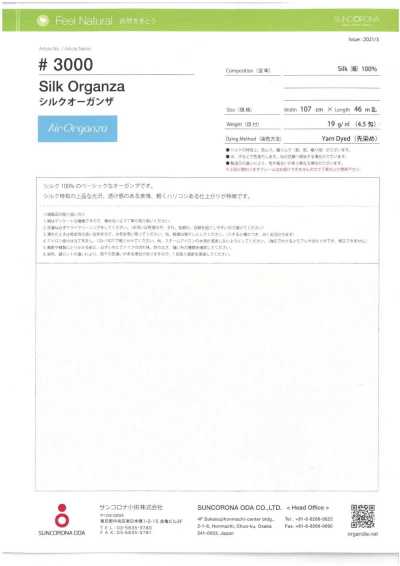
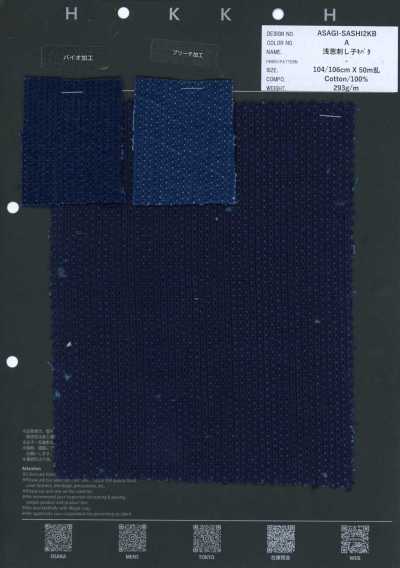
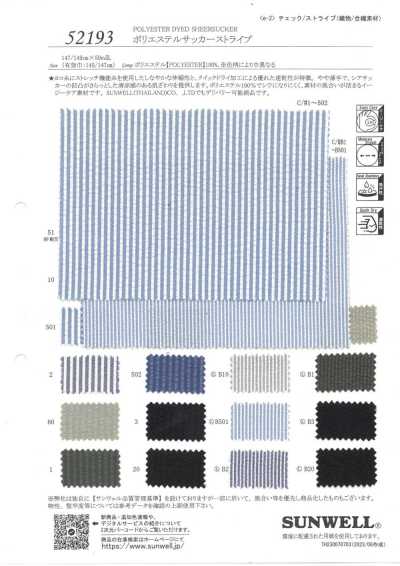
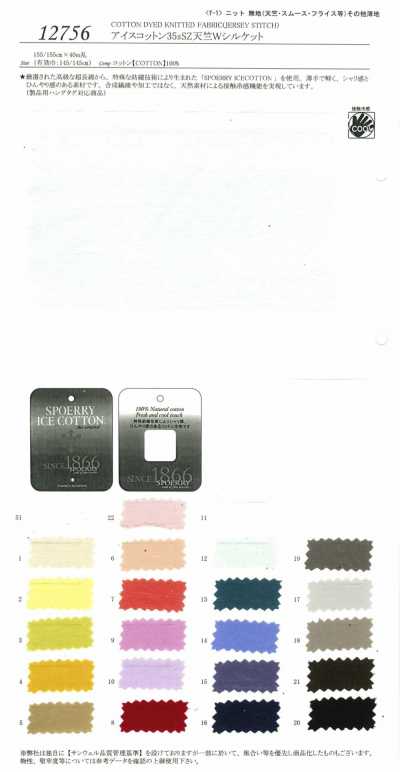
Crisp feel is a crisp, dry coolness when you touch the textile, with a slight firmness and a bit of rustle.
Contents6 sections
Definition and Overview
Crisp feel is not the name of a fabric structure or material, but a term that describes texture. It refers to a condition in which the fingertips feel a light resistance, with a dry touch and moderate resilience rather than a supple, smooth texture.
The way it appears varies depending on the use of strongly twisted yarn, the density of the yarn or weave, the type of fiber, and finishing treatments. Even with the same material, differences in yarn twist and processing conditions result in different levels of crisp feel.
Texture and Appearance Characteristics
Fabrics with a crisp feel are often perceived as less likely to cling to the skin, creating a cool and dry touch. Strongly twisted yarn is yarn with a high level of twist, and the tightness of the yarn is one way to create this kind of feel.
The surface may be smooth and lustrous, or it may have fine irregularities or a wrinkled look. For this reason, crisp feel is difficult to judge by appearance alone; it is important to actually touch a fabric sample and check the thickness, drape, and skin separation as well.
- Dry, dry-touch feel
- Light skin separation
- Moderate firmness and resilience
- Clean crispness that cannot be expressed by strong drape alone
Main Uses and Seasonality
Taking advantage of its cool feel, it is used for spring and summer shirts, blouses, dresses, skirts, pants, and more. In lightweight fabrics with sheerness, it creates a lively impression, while fabrics with moderate density and thickness give a neat, dry impression.
In workwear and military-style casual wear, it may be combined with a sturdy-looking appearance or a washed finish. At the same time, do not decide the application based only on whether it has crisp feel; check the fabric weight, sheerness, strength, and stretch according to the specifications.
How to Choose and Handling Precautions
At the planning stage, check not only the hand feel but also shrinkage after washing, wrinkles, skewing, and ease of handling during sewing through tests and samples. Fabrics containing natural fibers or regenerated fibers may change in dimensions or texture depending on washing or moisture.
Lightweight fabrics made with strongly twisted yarn and slippery fabrics are prone to shifting during cutting, and puckering may appear in the seams. Align the grain before cutting, choose needles, thread, and feed conditions that suit the fabric, and perform sewing tests as needed.
Washing methods vary depending on the material, structure, and finishing, so they cannot be judged from the label of crisp feel alone. When turning the fabric into a product, it is important to check the information related to the fabric care label and perform washing tests before mass production.
Differences from Similar Terms
Dry touch is a broad term for a touch that feels dry. Crisp feel is sometimes treated as a type of dry touch, but it may also include nuances of a slight rustling, sharpness, and resilience.
Firmness refers to the ability of a fabric to hold its shape and its stiffness. A fabric with crisp feel may also have firmness, but not every fabric with strong firmness has crisp feel. Slippery feel, on the other hand, refers to a moist, smooth touch.
Frequently Asked Questions
Is crisp feel a material name?
Crisp feel is not a material name, but an expression used to describe the texture of a fabric. It can be found in a wide range of materials such as cotton, linen, polyester, and rayon. Since it is not determined by the material alone, yarn twist, structure, density, and finishing should also be checked.
Are fabrics with crisp feel suitable for summer?
Crisp feel is often used for spring and summer clothing because it tends to give a cool feel and good skin separation. However, seasonality also depends on thickness, breathability, blend ratio, and whether there is a lining. Do not judge a fabric as summer-appropriate based on crisp feel alone; choose it according to the wearing conditions.
Does crisp feel change after washing?
Changes due to washing vary depending on the material, twist, and finishing. Shrinkage or wrinkles may appear, or the touch may become softer after washing. Before mass production, perform washing tests on the fabric sample or product sample and also check the care label instructions.