Non-cling
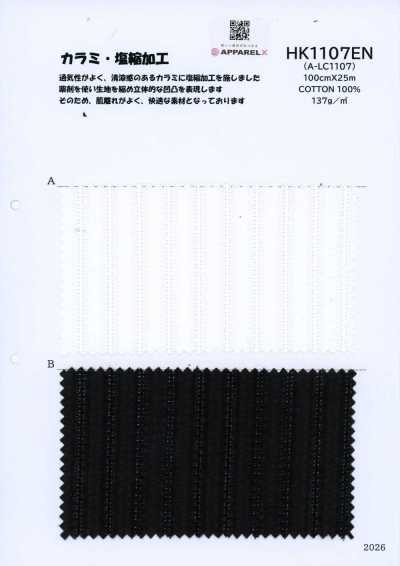
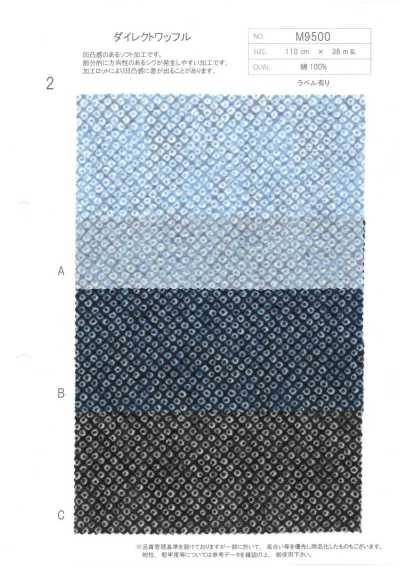
Non-cling is a property in which, due to the texture and firmness of the textile, the fabric does not easily stick to the skin when worn, making it less likely to feel sticky or clingy even when you sweat.
Contents6 sections
Definition and Overview
Non-cling is not the name of a material or a weave structure, but a term for texture and wearing comfort that describes a state in which the contact between the textile and the skin feels reduced when clothing is worn. It is used particularly from the standpoint of reducing stickiness and clinginess in hot, humid seasons.
It is achieved by creating unevenness on the textile surface or on the skin side to reduce the contact area. Because weave or knit structure, yarn twist, processing, and ease in tailoring are involved, the degree of non-cling can differ even with the same fiber.
Features
A textile with good non-cling tends to create space on the skin side and is less likely to stick to the body even when sweating. A textured surface, crisp hand, and moderate firmness and resilience are elements that contribute to a smooth touch and a cool feeling.
In appearance, it may show fine texture, a dotted structure, or a crinkled look. However, performance cannot be judged by unevenness alone. Absorbency, quick-drying performance, and breathability need to be checked separately from non-cling.
- Reduces the contact area against the skin
- Less likely to feel clingy from sweat
- Unevenness and crispness make it easier to create a cool impression
- Depending on the structure of the textile, it may have a sheer look or a rough surface
Main Applications
It is used for spring and summer shirts, blouses, dresses, pants, skirts, and similar items. For items with a large area in contact with the skin, textiles with unevenness on the skin side may be chosen with wearing comfort in mind.
It is also suitable for sportswear, uniforms, easy pants, and other garments intended for sweaty situations. For textiles with an uneven back side, there are also designs that keep the outer appearance of the face relatively flat while achieving non-cling on the skin side.
Selection and Handling Notes
When selecting, do not just hold the textile against the skin; move it as if worn and check how resistant it is to sticking in sweaty or humid conditions. Even when non-cling is prioritized, check the balance with sheerness, breathability, stretch, quick-drying performance, and drape according to the plan.
Textiles with textured structures or crinkled surfaces may change in appearance or dimensions after washing or heat treatment. Before mass production, check shrinkage and appearance with a washing test, and pay attention to grain correction and cutting direction. In sewing, take care because markings may be hard to see on uneven surfaces, pressure may flatten the texture, and seams may pucker.
Differences from Similar Terms
Non-cling refers to a lack of close adherence when worn, while breathability refers to how easily air passes through, absorbency refers to the ability to absorb moisture, and quick-drying absorbency refers to the ability to spread and dry absorbed moisture easily. These are all related to comfort, but they do not mean the same thing.
Also, cool to the touch is a property that makes something feel cold when first touched. Even a textile with good non-cling does not necessarily have cool-to-the-touch properties, and conversely, for a cool-to-the-touch textile, how resistant it is to sticking when sweating depends on the structure and tailoring.
Frequently Asked Questions
Is a textile with good non-cling always cool?
Non-cling is related to reduced sticking when sweating and to a smooth wearing feel, but it does not by itself guarantee coolness. The actual sense of heat is also affected by breathability, quick-drying performance, textile thickness, color, and the garment’s ease.
Are non-cling and quick-drying absorbency the same?
No. Non-cling refers to a state in which the textile does not easily adhere to the skin, while quick-drying absorbency refers to the property of absorbing sweat and moisture and drying quickly. In summer garments, the non-cling effect of a textured structure is sometimes combined with quick-drying absorbency.