Drawnwork
Drawnwork is a technique for creating openwork patterns by removing part of the warp or weft yarns in a woven fabric and bundling the remaining yarns with needlework or embroidery.
Contents6 sections
Definition and Overview
Drawnwork is an openwork technique that decorates the spaces created by intentionally removing the warp or weft yarns of a woven fabric with the remaining yarns and embroidery thread. Because it uses the structure of the fabric to form patterns, it creates a delicate, light appearance.
The name comes from the process of drawing out yarns. In apparel, it is used not only on part of a fabric but also as edging or inserted panels. While it often refers to a handcraft technique, it is sometimes also used as a name for fabrics with similar openwork effects.
How It Is Made and Suitable Materials
Generally, several warp or weft yarns are removed at a time, and the remaining yarns are gathered with hemming stitches or the floating threads are secured with embroidery to create patterns. Woven fabrics with even yarn spacing, where the direction for removing yarns is easy to identify, are suitable.
Cotton and linen plain weaves are often used as materials. The ease of removing yarns and the outline of the pattern vary depending on weave density, yarn thickness, twist, and finish. For lightweight fabrics, it is important to check the reinforcement method and the balance with the embroidery thread.
- Determine the area and direction for removing yarns, and secure the ends so the yarns do not come undone.
- Gather the remaining warp or weft yarns with hemming or embroidery to shape the pattern.
- Reinforce edges and cut sections with stitching that prevents fraying.
Visual Characteristics and Applications
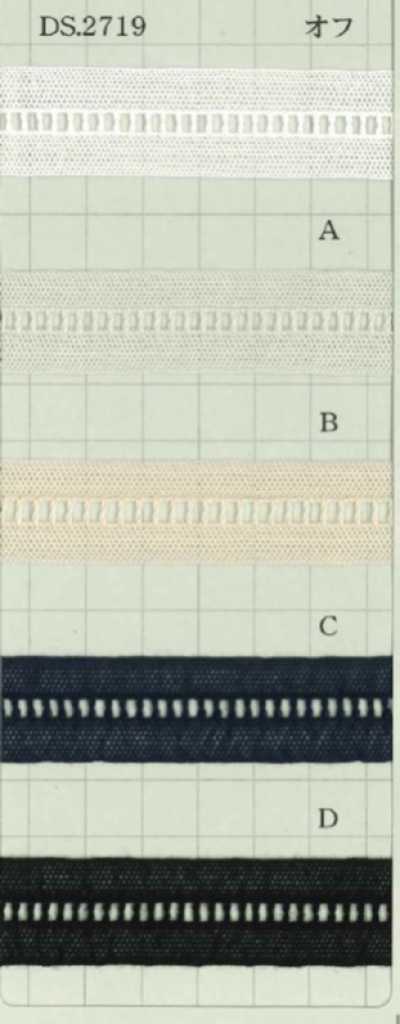
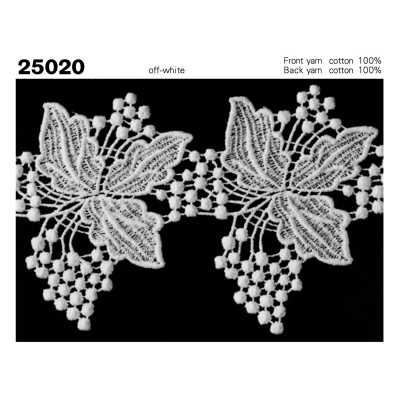
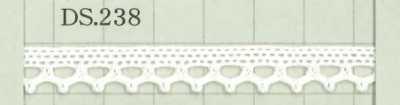
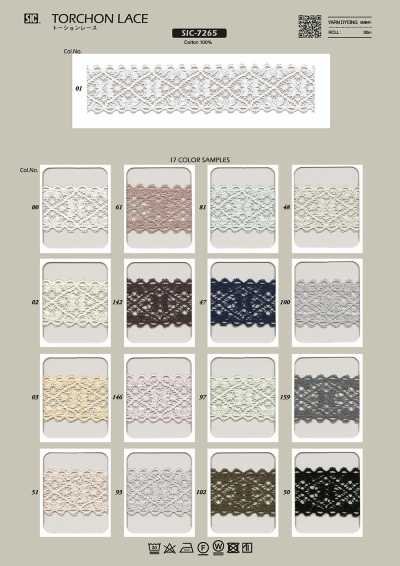
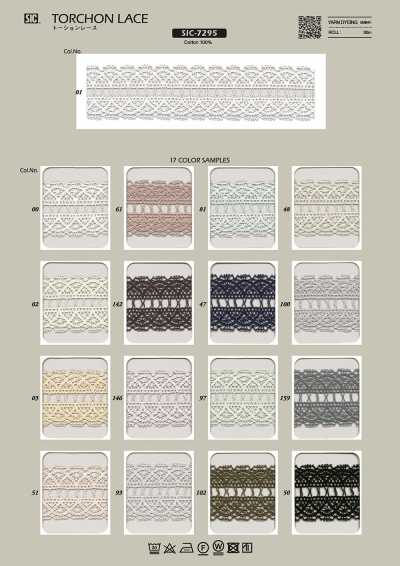
Because the ground color shows through from the removed-yarn sections, an open feel appears in the form of linked holes, grids, ladder shapes, and geometric patterns. The parts gathered with embroidery gain a three-dimensional look, and the contrast between the base fabric and the openwork sections becomes a design feature.
It is used for decoration on blouse, dress, skirt, and shirt yokes, sleeves, necklines, and hems. Outside apparel, it is also used for applications that make use of its sheerness and handcrafted appearance, such as handkerchiefs, table linen, and curtains.
Selection and Handling Notes
During planning, confirm the position and area of the openwork section, how it overlaps with seam allowances, and the direction of force when worn. With large patterns or specifications that remove many yarns, the fabric may stretch more easily than the surrounding fabric and lose its shape. If necessary, consider a backing layer or reinforcement specification.
When cutting, align the grain accurately and match the positions of the openwork pattern. During sewing, take care to avoid snagging from presser pressure or feed, and do not stitch over the openwork edges. When ironing, use a pressing cloth and finish so as not to crush the pattern.
For washing, methods that reduce friction, such as following the care label and using a laundry net, are suitable to prevent fraying, snagging, and thread shifting. After washing, reshape the item and hang it to dry, and if any fraying or broken threads are found, repair them before they spread.
Differences from Similar Terms
Cutwork is a technique in which part of the fabric is cut out and the edges around the holes are embroidered to create patterns. While drawnwork mainly creates openwork by removing woven yarns, cutwork differs in that the fabric itself is cut away.
Ladder lace refers to a ladder-like decoration that connects two fabric edges or tapes with floating threads. Ladder-like patterns can also be made in drawnwork, but drawnwork is fundamentally based on removing yarns from an existing woven fabric.
Frequently Asked Questions
Is drawnwork the same as lace?
It has a lace-like appearance due to its openwork patterns, but drawnwork is a technique in which yarns are removed from a woven fabric and the remaining yarns are secured with embroidery or similar methods. Its structure and production method differ from lace, which is formed independently from yarns or stitches alone.
Does the drawnwork section stretch easily?
Because the removed-yarn sections are looser in structure than the surrounding fabric, they can deform more easily depending on how force is applied. Care is especially needed on the bias and with large openwork patterns. It is reassuring to confirm the placement, reinforcement, and sewing method with a prototype.
Can clothes with drawnwork be washed at home?
Whether they can be washed depends on the material, embroidery thread, construction, and care label. Even when home washing is possible, using a laundry net to reduce friction and snagging, and avoiding excessive spin drying, helps prevent fraying and loss of shape.
- Search products for "Drawnwork"
- Products with material "Cotton"
- Products with material "Linen"
- Products with material "Silk"
- Products for style "For Shirts/blouses"
- Products for style "For Skirts And Dresses"
- Products for style "For Formal Wear"
- Products for style "For Costumes/dresses"
- Products for style "For Interiors"
- Browse Lace products