Fixing Treatment
Fixing treatment is a color-fixing process performed after dyeing to help set the dye in the fibers and reduce fading and color transfer from washing, rubbing, and similar causes.
Contents6 sections
Definition and Overview
Fixing treatment is a post-process performed on dyed fabric and accessories to suppress the runoff of residual dye and improve color fastness. Depending on the dye, fiber type, and dyeing method, it combines chemical treatment, washing, neutralization, and similar processes.
Color fixing often refers to fixing treatment, and a fixing agent refers to the chemical used in that process. However, on the shop floor, the entire dyeing process that bonds dye to the fiber may also be called fixing.
Features and Impact on Quality
With proper treatment, it can help reduce color fading and color transfer caused by washing, sweat, and friction. For dark-colored items, bright colors, and piece-dyed products, checking fastness according to the intended use is important.
Depending on the formulation, the fabric hand may become stiffer, and the color tone or sheen may change slightly. Fixing treatment itself is not a finishing process for appearance, but mainly a treatment to improve dye fastness.
Main Applications
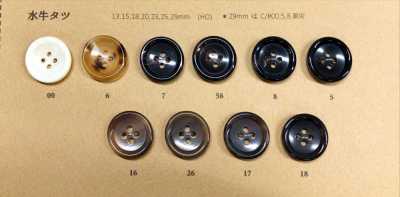
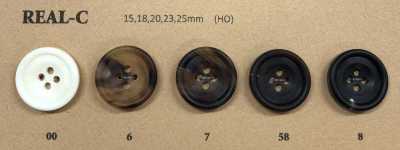
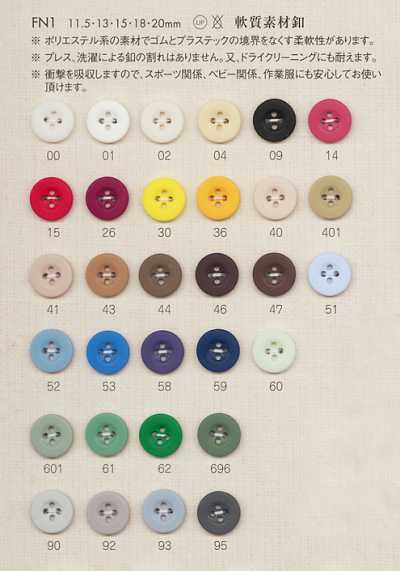
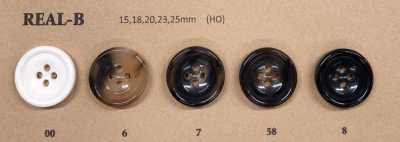
In addition to apparel fabric, it is also used for dyed materials such as tape, cord, and buttons. Especially for piece-dyed items, the necessary color-fixing treatment should be considered for the finished color.
It is especially important for items that are washed frequently or subject to friction, such as shirts, cut-and-sew tops, pants, denim, and uniforms. It is not a seasonal process; the need is judged according to the material, color, and wearing conditions.
How to Choose and Handling Precautions
When selecting fabric, confirm not only whether fixing treatment is applied, but also the test items and standards suited to the application, such as washing fastness, rubbing fastness, and perspiration fastness. For combinations of dark and light colors or with white, evaluation assuming color transfer is necessary.
In wet post-processing, shrinkage, width change, and skew may occur depending on the material and weave structure. Before mass production, perform washing tests including the fabric and accessories, and reflect the results in pattern dimensions and sewing conditions.
Because needle heat, ironing, and pressing during sewing may also cause color transfer, combinations with light-colored linings, interlinings, and tape should be checked in advance. For home care, follow the care label instructions, and do not stack items with others while wet.
- For piece-dyed materials, confirm the color-fixing effect under the actual dyeing conditions before production.
- For dark-colored items, consider labeling or guidance to wash separately on the first wash.
- If there are subsequent processes such as garment washing, printing, or bonding, confirm fastness after those processes as well.
Differences from Similar Terms
Shrink-resist finishing is a treatment that suppresses dimensional change caused by washing and similar factors, and its purpose differs from fixing treatment, which suppresses color fading. However, when water-based processes are carried out continuously, both performance aspects are checked together.
Fastness is a quality characteristic that evaluates resistance to color fading and discoloration. Fixing treatment is one of the methods used to improve fastness, but applying it alone does not mean all fastness will become sufficient.
Frequently Asked Questions
Will color fading disappear completely if fixing treatment is applied?
It does not necessarily disappear completely. The degree of fading varies depending on the fiber, dye, color depth, dyeing and washing conditions, and the usage environment. It is necessary to conduct the fastness tests required for the application, such as washing, rubbing, and perspiration, and evaluate the product accordingly.
Is color fixing also necessary for piece-dyed buttons and accessories?
For piece-dyed buttons and accessories, residual dye may transfer to the garment or other materials, so color-fixing treatment should be considered. Since the effect may differ depending on the material, conduct sufficient testing under the actual color and process conditions before full production.