Fabric Face And Back
The face and back of a fabric refer to the distinction between the side mainly shown on the outside and the side used on the inside, and their appearance and function may differ depending on the weave, finishing, nap, and pattern.
Contents6 sections
Definition and Overview
The face of a fabric refers to the side intended to be shown on the outside of a garment or used as a design feature, while the back refers to the side used against the skin or on the inside. However, face and back are determined by the weave structure, knitting method, dyeing process, and finishing process, and not all fabrics have a clear difference between the two.
In woven fabrics, the appearance of the weave structure is a key factor, while in knits, the appearance of stitches and loops is used for judgment. The face/back designation should be checked on the roll label, specification sheet, or sample book, and if it is difficult to distinguish, it is important to confirm with the supplier.
- Examples with a clear face and back include satin, denim, pile, French terry, and brushed fabric.
- Examples that look almost the same on both sides include some plain weaves and fabrics intended for double-sided use.
Differences in Appearance and Function
The surface may be finished with gloss, patterns, ridges, brushing, coating, or other treatments to adjust the product's appearance and feel. The back side often makes the interlacing structure and yarn floats easier to see, and may show different coloration, texture, slipperiness, or absorbency from the face.
Differences in texture and function between the face and back also affect comfort. For example, using the nap side on the outside can make warmth and appearance more effective, while using the side intended for absorbency or skin feel against the skin makes it easier to design comfort according to the intended application.
Main Applications and Use by Side
For shirts, blouses, pants, jackets, coats, cut-and-sew garments, and similar items, cutting and sewing are normally done with the specified face on the outside. Fabrics with a distinctive back structure, such as French terry or pile, change the product's appearance and applications depending on whether the back side is used against the skin or shown on the outside.
Seasonality is not determined by the face/back itself, but by the combination of fabric thickness, material, structure, and finishing. Fabrics that make use of a brushed or pile surface are often used for autumn and winter, while thin fabrics that make use of a smooth, light surface may be used for spring and summer garments.
Selection and Handling Notes
Before cutting, check the roll edge label, sample, and inspection instructions, and keep the face and back consistent across all parts. In fabrics with nap, brushing, gloss, printed patterns, or weave direction, mixing cutting directions even on the same surface can make color differences or differences in appearance stand out.
In the process of sewing face side in, the face sides are placed together inside, so an error in identifying the face and back may be discovered only after completion. Standardizing the method of identification within the process, such as marking the face side during cutting or stacking parts for confirmation, helps prevent this.
Shrinkage, pilling, color fading, and changes in texture caused by washing may appear differently on each side. Before product development, conduct tests and washing checks on both sides, and consider specifications suitable for the care label and actual application.
Differences from Similar Terms
Double-face refers to fabric designed so that both sides can be used as the face, or fabric with different appearances on each side. The term face and back of a fabric indicates the general distinction between sides and does not necessarily mean that both sides can be used.
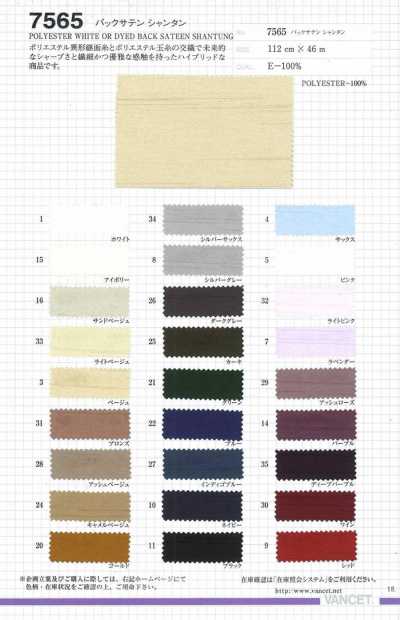
Back satin is a woven fabric with a satin-like gloss on one side and a different weave appearance on the other. It is a typical example with a large difference between face and back, but the term face and back of a fabric does not refer to a specific weave structure. Face side in and face side out are terms that describe how sides are stacked in sewing or folding.
Frequently Asked Questions
How do you tell the face and back of a fabric apart?
First check the information on the selvedge, the way the roll is wound, and the sample book or specification sheet. Visually, gloss, brushing, clarity of the pattern, weave structure, and yarn floats are clues. However, some fabrics are difficult to judge, so the supplier's designation takes priority in the end.
Is it okay to use the reverse side?
If the fabric is intended for double-sided use, the reverse side may be used deliberately. On the other hand, for fabrics with functional or design specifications such as coating, water repellency, brushing, or printing, using the reverse side may change the appearance or performance, so prototyping and confirmation are necessary in advance.
How can you prevent mistakes between the face and back in sewing?
Before cutting, decide which side is the face and place removable marks or temporary indicators at the same position on each cut piece. Manage nap and gloss direction at the same time, and stack and check the parts before and after sewing to help prevent left-right differences and partial reverse-side use.