Knitting
Knitting is the manufacturing process of forming knit fabric or knit products by creating continuous loops with yarn and interlacing them.
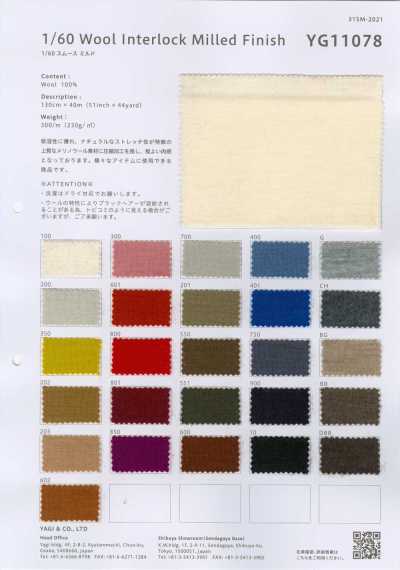
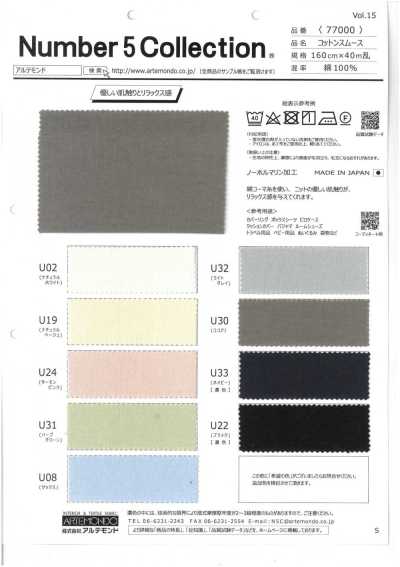
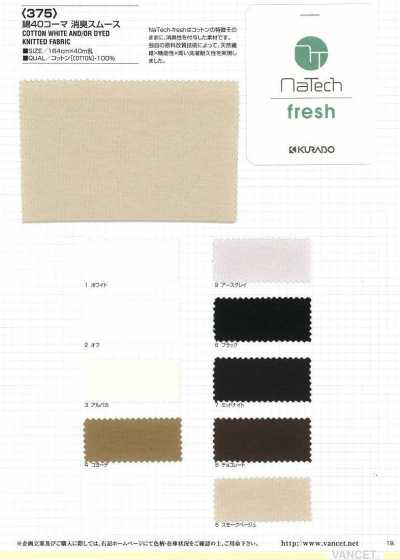
Contents6 sections
Definition and Overview
Knitting is the process of continuously forming yarn loops with a knitting machine or by hand knitting and interlocking them to create fabric-like material. The structure, thickness, stretch, and surface feel of the knit fabric are determined by the yarn used, the knitting machine, the knitting method, and the stitch setting.
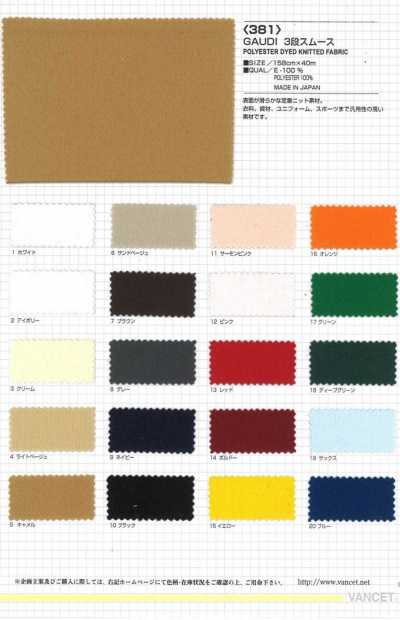
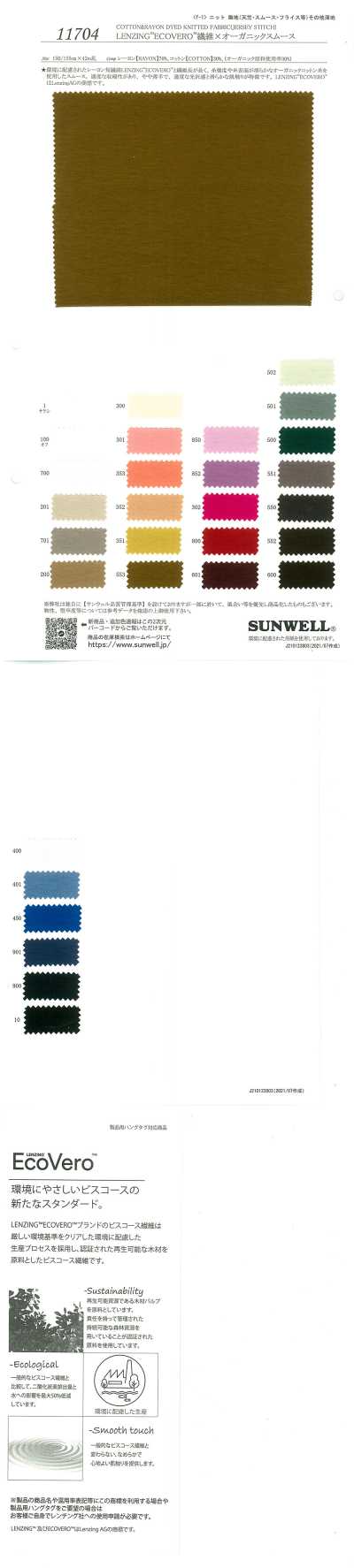
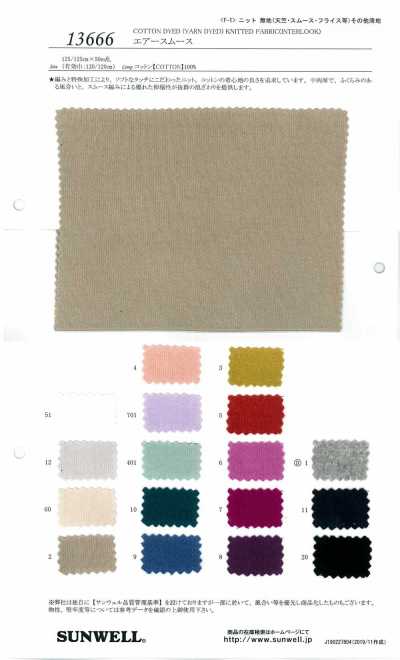
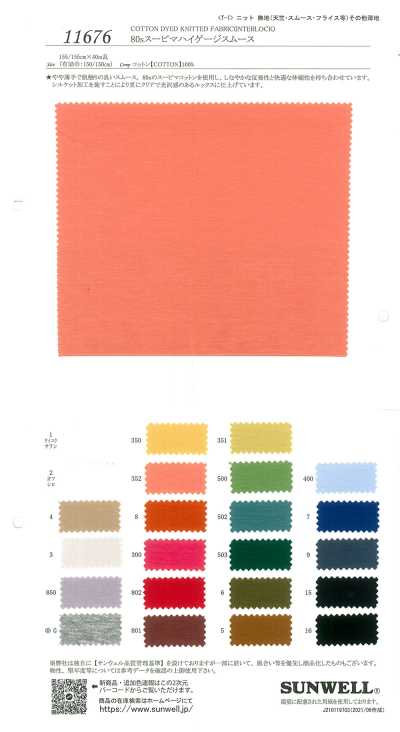
It may also be used as the name for the fabric itself, but knitting originally refers to the process of making knitwear. Jersey, pique knit, and French terry are representative types of knit fabrics produced by knitting.
Characteristics
Because knitted products have a loop structure, they are generally more stretchable than woven fabrics and conform better to body movement. Depending on the yarn type and structure, softness, loft, breathability, warmth, and surface texture can be adjusted.
Even with the same material, the appearance and function vary greatly depending on yarn thickness, twist, knitting density, and knit structure. For example, knitting at a tighter density makes it easier to give the fabric a firmer hand and resilience.
- Weft knitting is a method of making fabric in a tubular form and is widely used for cut-and-sew fabrics.
- Flat knitting can be used to knit bodies, sleeves, and other parts to shape, and is widely used for sweaters.
- Warp knitting is a knitting method that uses many yarns in the vertical direction and is an easy way to provide stability.
Main Applications
Fabrics made by knitting are used for T-shirts, polo shirts, sweatshirts, cardigans, sweaters, innerwear, and socks. Taking advantage of their stretch, they are also widely used for sportswear, loungewear, and kids' wear.
Lightweight, breathable knit fabrics are suitable for spring and summer clothing and innerwear, while thicker knit fabrics with French terry or brushed finishes are suitable for autumn and winter clothing. However, the appropriate season should be determined by considering the material, fabric weight, structure, and finishing process together.
How to Choose and Handling Notes
When selecting fabric, check not only the blend ratio but also the knit structure, fabric weight, stitch setting, stretch direction, and stretch recovery rate. It is important to anticipate the shape retention, breathability, warmth, and sheerness required for the application, and to verify the texture and dimensional changes using actual fabric samples.
Knitted fabrics tend to stretch easily and may distort during cutting or sewing. Let the fabric rest before cutting so it can settle, and align the grain line. In sewing, choose stitches and thread that can follow the stretch, and confirm conditions that prevent seam stretching, puckering, and dropped stitches.
Shrinkage and twisting caused by washing vary depending on the material, structure, finishing, and washing method. Before mass production, conduct a washing test and reflect the shrinkage rate in the pattern. For home laundering, follow the care label, and for items that are prone to losing shape, consider methods such as flat drying.
Differences from Similar Terms
Knitting is the process of making knitwear, and weft knitting, flat knitting, and warp knitting are categories of knitting methods. In contrast, jersey, circular rib, French terry, and pique knit refer to the structures or types of knit fabric obtained through knitting.
Weaving is the process of making woven fabric by crossing warp and weft yarns at right angles. Because knitting has a loop-linked structure, it generally differs from woven fabric in stretch, how edges fray, and how it is handled during sewing.
Frequently Asked Questions
What is the difference between knitting and weft knitting?
Knitting refers to the overall process of making knitwear from yarn. Weft knitting is one type of knitting method, in which fabric is made in a circular shape. Knitting also includes flat knitting and warp knitting.
Does knitted fabric shrink when washed?
The degree of shrinkage depends on the fiber type, yarn, knit structure, dyeing and finishing process, and washing conditions. Since dimensional changes can occur especially in knit fabrics containing natural fibers, a washing test should be performed before mass production to confirm the shrinkage rate.
What should be noted when sewing knitted fabric?
Because knitted fabric may stretch or skew, let it rest before cutting to align the grain. During sewing, do not pull the fabric too much; choose a sewing method, needle, thread, and feed settings suited to stretch, and check for seam stretching and dropped stitches.