Fly Extension
A fly extension is a narrow strip of fabric attached over or under the inside or outside of a fastener or zipper opening, such as in pants or skirts.
Contents6 sections
Definition and Overview
A fly extension is a narrow piece made by extending from the edge of a front opening or side opening, or by attaching a separate piece of fabric. It creates overlap at the opening and supports fasteners such as zippers, hooks, and hook and eye closures.
In pants, it may refer to the fabric on the inside of the fly that covers the zipper, helping keep the skin and underwear from touching the zipper. In other cases, it may also refer to the part extended from the front edge for attaching a fastener.
Structure and Parts
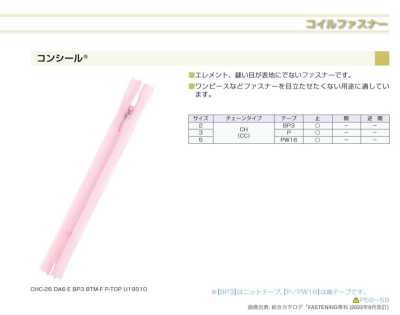
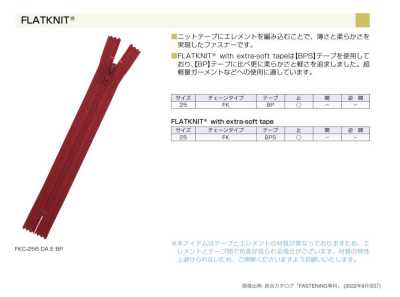
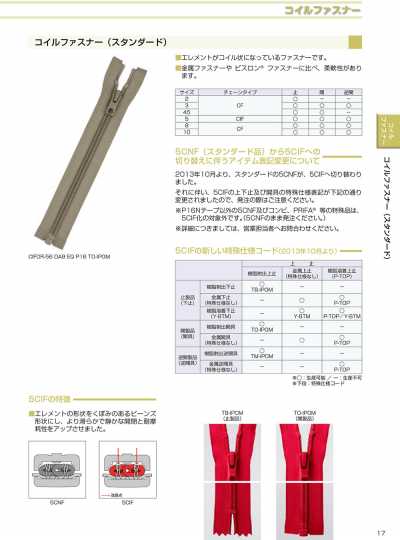
The fly extension itself is a part made from woven fabric or knit fabric, and it is not a zipper component such as the teeth, slider, top stop, or bottom stop. In a zippered opening, the fly extension overlaps the tape side of the zipper.
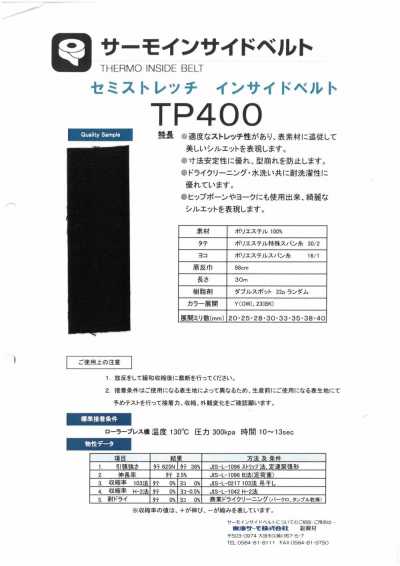
The basic shape is rectangular, but the tip may be designed as a square or diagonal shape depending on the overlap at the waist edge, the position where the opening ends, and how the seam allowance is finished. In fabrics that stretch easily, interfacing may be used for reinforcement.
- Fly-side extension: covers the inside of the zipper and stabilizes the opening.
- Waist-side extension: serves as the base for attaching a hook and eye closure, hooks, and similar fasteners, and creates overlap at the front edge.
- Combination with facing: wraps the opening edge and neatenes the seam allowance and the reverse side finish.
Types and Specifications
There is no standard size for a fly extension; width and length are determined according to the opening specification of the garment. For zippers, the width should be enough to fully cover the inside when the zipper is closed, and the length is set in relation to the opening end and the sewing position.
The zipper tooth size and length are selected according to the garment's intended use, fabric thickness, and the load during opening and closing, rather than the fly extension size itself. For openings using an open-end zipper or a two way separator, the presence and attachment position of the fly extension should be clearly specified in the specification sheet.
Main Applications
It is mainly used for front openings and side openings in pants, skirts, dresses, and similar garments. In the waistband area of pants, it is also used as the part where fasteners such as a hook and eye closure, hooks, and buttons are attached.
In outerwear and workwear, a flap-shaped part that covers the inside or outside of a zipper may be called a fly extension. However, parts intended to block rain and wind from the outside are generally handled separately as storm flaps.
Selection and Precautions
The fly extension fabric is selected from the outer fabric, a separate fabric, or pocket lining. For areas subjected to force from fasteners or zippers, check the thickness and stretch of the outer fabric, and apply fusible interlining as needed to prevent stretching and distortion.
During sewing, make sure the fly extension edge does not come too close to the zipper teeth or slider. Sewing into the seam allowance or catching the fabric can cause poor opening and closing, so after sewing, open and close the full length to check it.
If laundering or product washing is carried out, confirm the shrinkage differences among the outer fabric, interfacing, and separate fabric for the fly extension in advance. Manage dimensions on the pattern, including the opening end, seam allowance, and overlap at the waistband edge, rather than only after completion.
Frequently Asked Questions
What is the difference between a fly extension and a fly facing?
The fly facing mainly refers to the entire front opening of a shirt or pants, or the finish at its edge. A fly extension is the narrow piece placed over that opening. In pants, the zipper covering on the inside of the fly may be called a fly extension.
Is interfacing necessary for a fly extension?
It is not always necessary, but reinforcement may be needed in areas where a hook and eye closure or hooks are attached, and in thin or highly stretchable fabrics. Decide whether interfacing is needed, and what type to use, by checking the thickness and firmness of the outer fabric, the load on the fastener, and the shape after washing.
Where should the length of the fly extension be measured?
It varies by application, but for zippers it is generally managed from the top edge of the fly extension to the end on the opening-end side. The value changes depending on whether seam allowance is included and whether the dimension is shown as a finished size, so the reference position should be unified in the specification sheet and pattern.