Facing
A facing is a fabric component attached from the inside to finish and reinforce edges such as necklines, front openings, and cuffs while shaping them.
Contents6 sections
Definition and Overview
A facing is a separately cut fabric piece attached to the inside of a garment opening or edge. It encloses seam allowances in a position that is hard to see from the outside and neatly finishes the edge. It is often cut from the same fabric as the outer material, but depending on the specification, a different fabric may also be used.
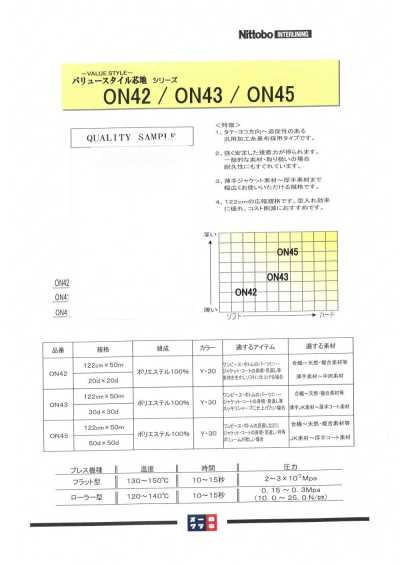
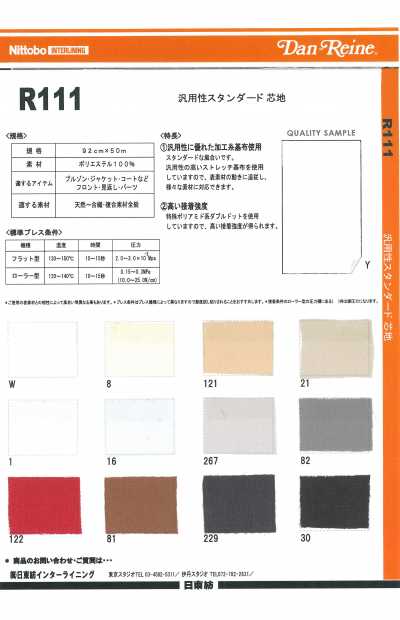
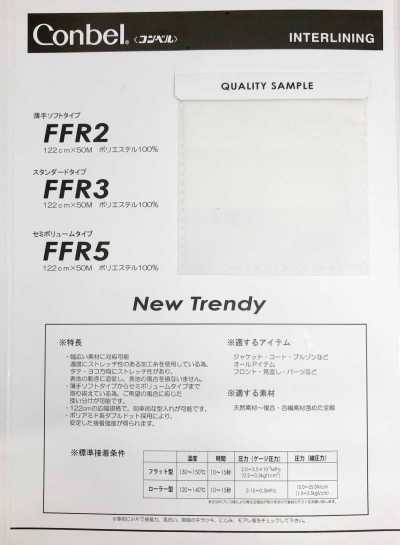
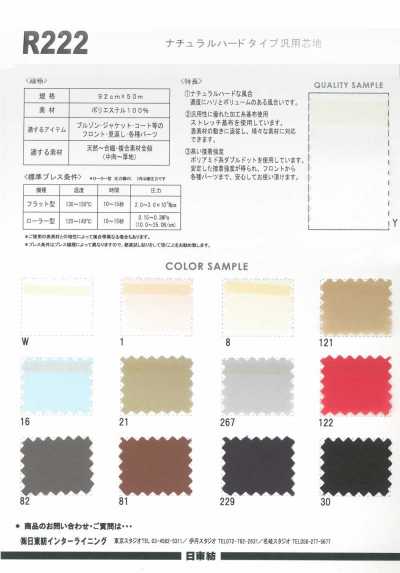
Interlining is not the fabric that makes up the facing itself, but an auxiliary material that gives the facing and its surrounding area firmness and shape stability. A facing is the name of a section or part, while interlining is the material used for reinforcement.
Areas of Use and Role
The main applications are the front edges and neckline of jackets and coats, the front placket of shirts and blouses, the front opening of pants, and the neckline and armholes of sleeveless garments. Because it folds back to the inside, it hides cut edges and seam allowances and improves the appearance.
Since edges are prone to stretching and distortion from wear and friction, facings also help prevent elongation and loss of shape. In jackets and coats, they stabilize the roll of the front edge and neckline and also support the areas where buttons and buttonholes are placed.
Materials and Types
The basic material for a facing is the same fabric as the outer material. Using the same fabric makes it easier for the color, pattern, and thickness to match the outer fabric, resulting in a natural finish at the edge. However, with thick or bulky outer fabrics, a thinner different fabric may be used to reduce thickness on the inside.
In terms of shape, there are front facings that run continuously from the front edge to the neckline, neckline facings that finish only the neckline, and armhole facings for armholes. To prevent fraying, the outer edge of a facing is finished according to the material and specification, such as with overlocking or by stitching it to the lining.
How to Choose and How to Use Interlining
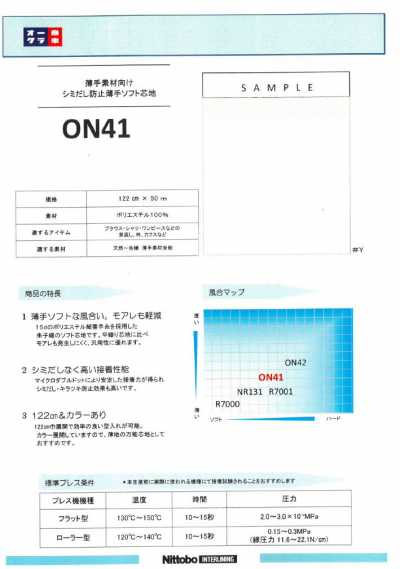
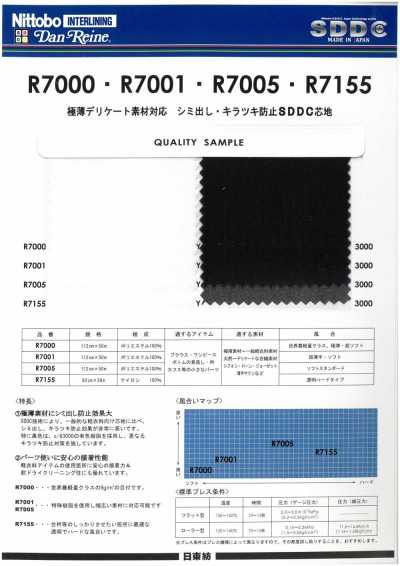
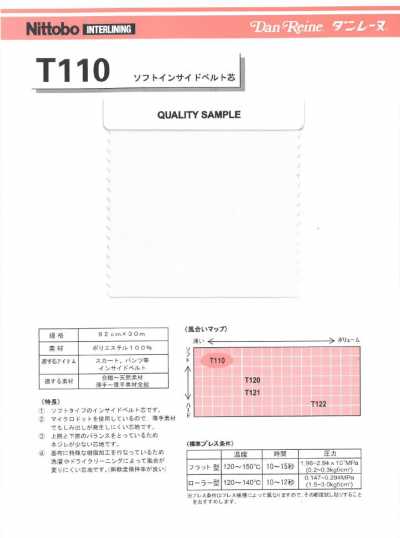
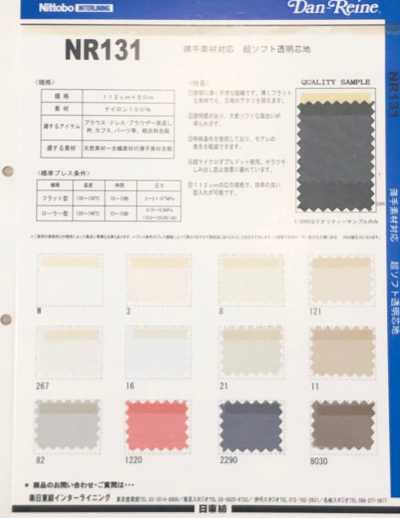
Facing fabric and interlining are selected based on compatibility with the outer fabric. For lightweight outer fabrics, a thin and soft interlining is used, while items such as jackets and coats that need to retain their shape generally use interlining that provides the necessary firmness. Interlining that is too stiff can make the edge roll unnaturally and may cause fading on the surface.
For stretch outer fabrics, consider knit interlining or stretch interlining that can follow the fabric's stretch. In areas where stretch needs to be controlled, such as the front edge and neckline, the direction of the interlining and the combined use of stretch-stay tape are also important. Before mass production, confirm the texture and bonding condition with a prototype layered with the outer fabric, facing, and interlining.
- Use the same fabric as the base, and consider a different fabric if you want to avoid thickness or sheerness.
- Check the stiffness of the interlining so the facing does not become harder than the outer fabric.
- Confirm in advance any differences in shrinkage, peeling, or surface change after washing or cleaning.
Bonding and Sewing Precautions
When using fusible interlining, set bonding conditions such as temperature, time, and pressure appropriate for the outer fabric and interlining. If the conditions are insufficient, peeling may occur; if they are excessive, changes in texture, bleed-through, or bubbling may occur. Interlining may be applied not only to the entire facing but also only to the necessary areas.
In sewing, the outer fabric and facing are stitched face side in, then turned to the right side by making notches in the seam allowance at curved areas. After turning, use edge stitching, understitching, or blind hemming as needed so the facing does not show on the right side.
Frequently Asked Questions
What is the difference between a facing and a lining?
A facing is a partial component used to finish edges such as the front opening and neckline. A lining broadly covers the inside of a garment and is intended to improve ease of dressing, protect the outer fabric, and reduce sheerness. A facing may be connected to the lining, but their roles and placement are different.
Does a facing always need interlining?
Not necessarily. In lightweight, soft garments or specifications that prioritize a natural drape, interlining may not be used. On the other hand, in areas where shape must be maintained, such as the front edge, neckline, and around buttonholes, it is common to use interlining according to the characteristics of the outer fabric.
What causes a facing to roll to the outside?
This can be caused by insufficient control of the seam allowance on the facing side, inadequate treatment of curved sections, or differences in stretch or thickness between the facing and the outer fabric. It is easier to improve by pressing the seam allowance toward the facing side and applying understitching, then adjusting the roll line with pressing.