Hand Setting
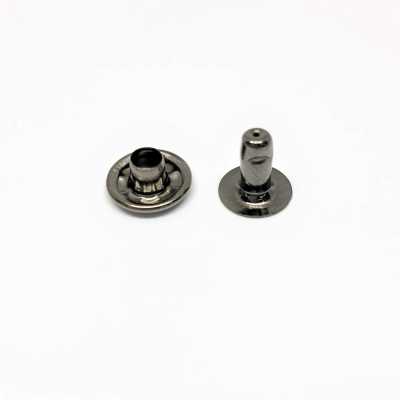
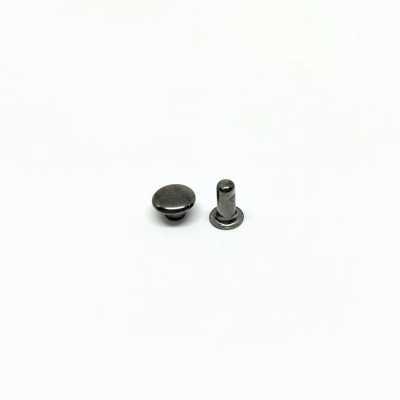
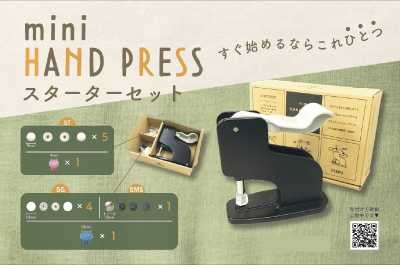
Hand setting is a method of attaching press fasteners, eyelets, and other hardware to fabric by setting them with a dedicated setting tool and a hammer or hand press.
Contents6 sections
Definition and Overview
Hand setting is a method of attaching hardware by deforming the legs or prongs of the fastener to clamp and secure the fabric, rather than sewing it on. It is used for press fasteners, spring hooks, jumper hooks, eyelets, cap and close posts, and similar items. It is also suitable for small-lot production, prototyping, and repairs.
“Hand setting” does not mean that the hardware itself was manufactured by hand. In the accessories field, it mainly refers to a method of attachment using a setting tool and human force, or to parts compatible with that method.
Component Structure and Size Indication
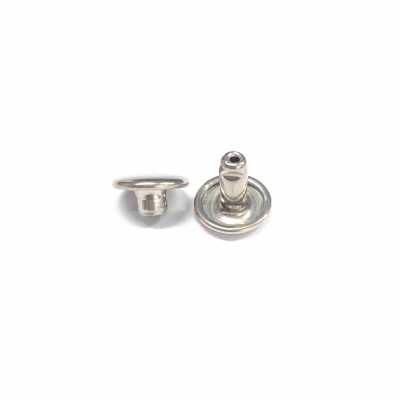
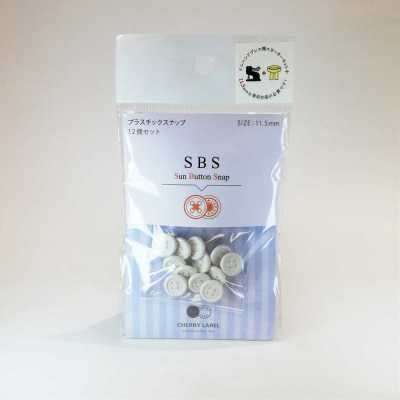
Press fasteners and similar items are assembled from multiple parts, such as the visible head on the front side, the male and female fastening sides, the spring or stud fixed on the back side, and the washer. It is important to match the front and back parts by the same series and size.
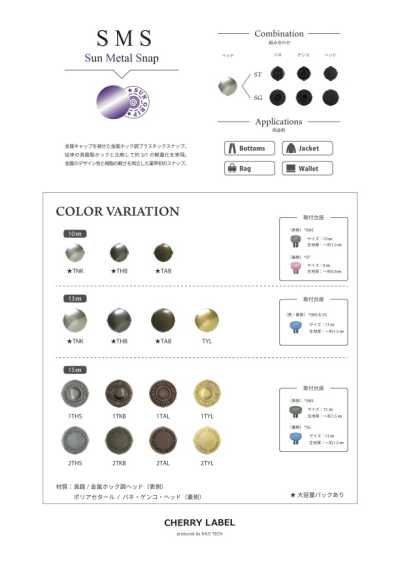
Size is generally indicated in millimeters by the outside diameter of the head or eyelet hole. However, even with the same indicated diameter, the leg length, compatible fabric thickness, and part shape may differ. In addition to dimensions, confirm the matching parts and the specified setting tool.
- Combination of front-side and back-side parts
- Outside diameter of the hardware and hole diameter
- Leg length or prong length
- Compatible fabric thickness
- Product number or compatibility indication of the dedicated setting tool
How to Attach and Equipment Used
In general, mark the attachment position on the fabric and punch a pilot hole if necessary. Pass the parts through the front and back of the fabric in the specified orientation, set them on an anvil and the dedicated setting tool, and apply pressure with a hammer or hand press.
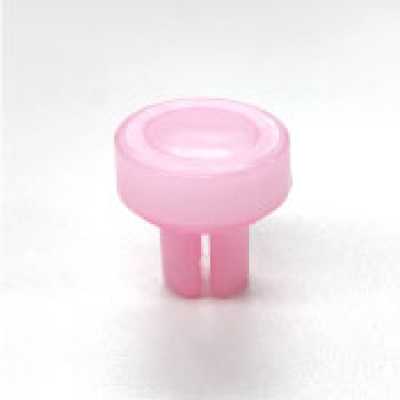
Setting tools differ depending on the shape of the hardware, and using an incompatible one can cause scratches on the head, deformation, or incomplete setting. In mass production, a foot-operated press or air press may also be used, but compatible parts and die conditions may differ between hand-setting and press-setting applications.
Main Applications and Compatibility with Fabric
Hand setting is used for front openings, pocket openings, cuffs, bag closures, and reinforcement of belt or cord holes. It is also used in situations where the position must be adjusted during small-lot sewing, sample production, or post-processing installation.
If the fabric is too thin, the hardware legs may not be crimped securely, making pullout or fabric tearing more likely. If it is too thick, the leg length may be insufficient, and the parts may not close completely. If necessary, reinforce the attachment area with fusible interlining, a pressing cloth, or a washer.
Quality Control and Precautions
After attachment, check the front/back orientation, scratches on the head, looseness, wobbling, and the opening and closing condition. For press fasteners, it is important to evaluate the fastening force; for cap and close posts and eyelets, evaluate pullout strength and fabric tearing in advance using the actual fabric and specifications.
Metal accessories may rust, discolor, or develop verdigris depending on sweat, moisture, detergent, and storage conditions. For products where the effect of nickel on the skin is a concern, confirm whether a nickel-free specification is required and the basis for the labeling.
For products that undergo metal detection, design the process on the assumption that metal accessories will react to the metal detector. Even for non-metal specifications, inspect the wear and chipping of the setting tool regularly to prevent broken fragments or contamination.
Frequently Asked Questions
What is the difference between hand setting and press setting?
Hand setting is a method in which a person installs each item one by one using a setting tool and hammer, or a manual press. Press setting generally refers to a method that applies a fixed pressure using a machine such as a foot-operated or air-operated press, and it is suited to work efficiency and stable results in mass production. In either case, a setting tool and conditions that match the hardware are required.
Can press fasteners be hand set on thin fabric?
It may be possible to attach them, but with fabric alone, the leg area may tear or the hardware may pull out more easily. Depending on the fabric strength and thickness, reinforce it with fusible interlining or a pressing cloth, and choose parts with an appropriate leg length. Before full production, perform a pull test with the same fabric construction.
Will hand-set hardware rust during washing?
It depends on the hardware material, plating or coating specifications, washing conditions, and whether sweat or moisture remains on the item. As a basic rule, metal accessories should not be stored while still damp. For products intended to be washed, confirm discoloration, corrosion, and fastening condition in advance under conditions close to actual use.