Hidden Rivet
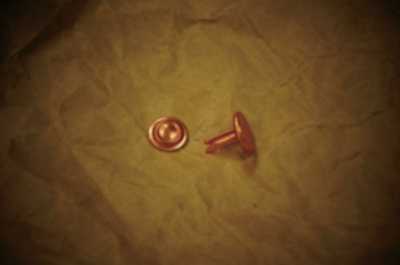
A hidden rivet is a cap-and-close-style metal accessory used mainly to reinforce areas such as jean pockets, with the metal head not visible on the front side.
Contents6 sections
Definition and Overview
A hidden rivet is a metal accessory used to reinforce areas that are subject to strong force, such as the ends of seams and pocket corners. Unlike a standard exposed rivet, it is characterized by being positioned so that the metal head is difficult to see, or not visible, from the front side.
In jeans, it may be used to reinforce the back pockets. It is also used to preserve the look of the garment while making the metal parts less likely to come into contact with chairs, furniture, and similar items.
Materials and Structure
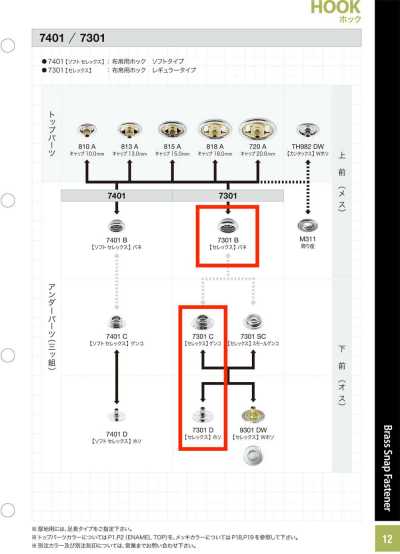
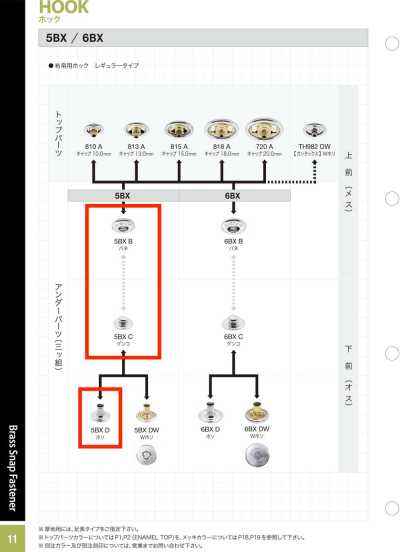
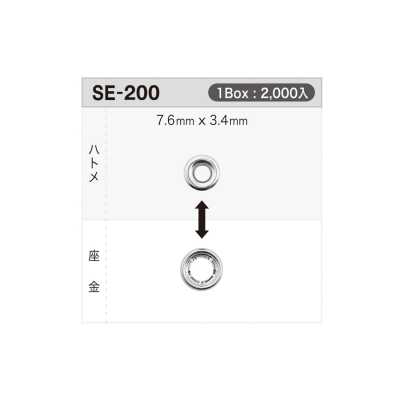
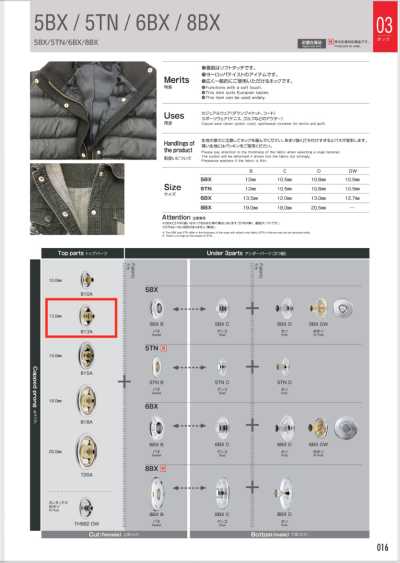
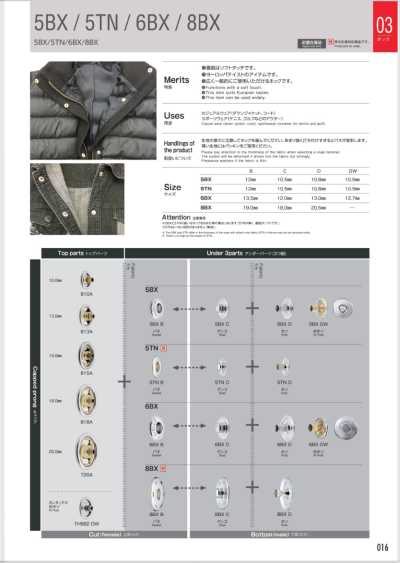
In many cases, hidden rivets are made of metal. The combined parts consist of a leg that passes through the fabric and a head or receiving part that is set to clinch and secure the leg. Depending on the type, the side on which the head appears, the shape of the leg, and the fastening method differ.
Appearance and corrosion resistance vary depending on the materials, plating, and coating specifications. Metals containing copper, such as brass-based materials, may discolor or develop verdigris due to the effects of moisture, sweat, detergent components, and similar factors, so the surface treatment should be checked according to the intended product use.
- Metal material and surface finish
- Combination of head and leg
- Compatible fabric thickness and leg length
- Availability of a dedicated setting tool
Size Indication and Installation
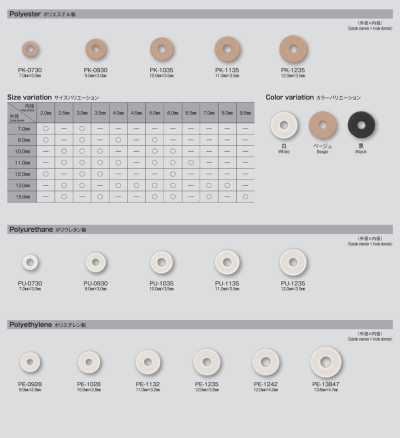
Sizes are generally checked by the head diameter, leg length, and compatible fabric thickness. Even if the head diameter is the same, the leg length and mating part may differ, so it is important not to select parts by outer diameter alone and to confirm whether they are a combination from the same series.
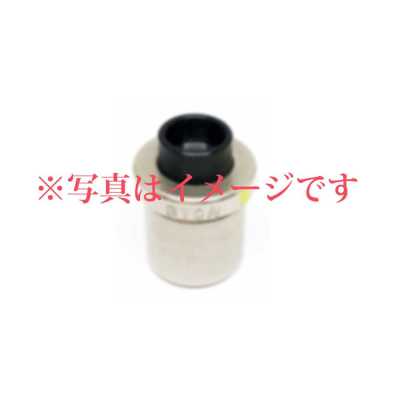
Installation is performed by attaching the specified setting tool to a hand press machine or treadle press machine. If needed, a pilot hole is made in the fabric, and the parts are set vertically and pressed together. Use a setting tool suited to the part shape.
After setting, check for deformation of the head, insufficient crushing of the leg, looseness, rotation, and surface scratches. Before full production, perform trial settings on the actual fabric and layer count, and evaluate including pull-out strength.
Main Applications and Selection Notes
The main applications are reinforcement of areas where load tends to concentrate through sewing alone, such as pocket openings and coin pockets on denim pants. They are also used on heavy twill fabrics and workwear when the specifications and fabric thickness are suitable.
If the fabric is too thin, the leg will not be stable and may cause tearing or pull-out. Conversely, if the fabric is too thick, or if the area includes overlapping seam allowances, the leg length may be insufficient and may not clinch properly. Select based on the actual thickness including interfacing, reinforcement fabric, and seam allowance.
For products that undergo washing or garment dyeing, check in advance for metal discoloration, staining of the fabric, and changes in the plated appearance. For products intended for infants and toddlers, or products that require consideration for metal allergies, also check nickel usage and nickel-free specifications.
Differences from Similar Terms
Cap and close post is a general term for metal accessories that are secured by pressing together front and back parts. A hidden rivet refers to an installation specification or shape in which the metal head is not shown, or is not made conspicuous, on the front side.
A cap snap button is a driven button mainly used for the front opening of jeans. A hidden rivet is not for opening and closing, but mainly for reinforcing pockets and seam areas. An eyelet is a fitting that reinforces the area around a hole, and its application and structure are different.
Frequently Asked Questions
How is a hidden rivet different from an ordinary rivet?
Ordinary rivets are often used with the head visible on the front side for reinforcement and appearance, whereas hidden rivets are attached in a position where the metal is not visible, or is difficult to notice, from the front side. They are suitable when you want to reinforce the pocket while keeping the appearance neat.
Can a hidden rivet be installed by hand?
Some specifications can be installed by hand, but the compatible setting tool and setting method differ by part. When mass production or stable finishing is important, use a hand press machine or press machine fitted with a dedicated tool, and perform trial settings in advance to confirm the fastening condition.
Do I need to choose a hidden rivet that is needle detector compatible?
For products that undergo needle detection, it is checked in production control whether the metal accessory used can be detected by a needle detector. However, whether it is needle detector compatible depends on the material, shape, and needle detection conditions of the part, so it must be checked under the conditions of the finished product, not just the accessory alone.