Hopsack
Hopsack is a plain-weave-based weave structure in which several warp yarns and weft yarns are grouped together and interlaced, or a textile woven with that structure, with a rough texture and good breathability.
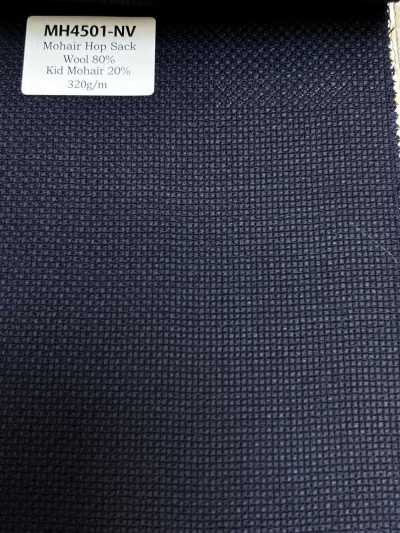
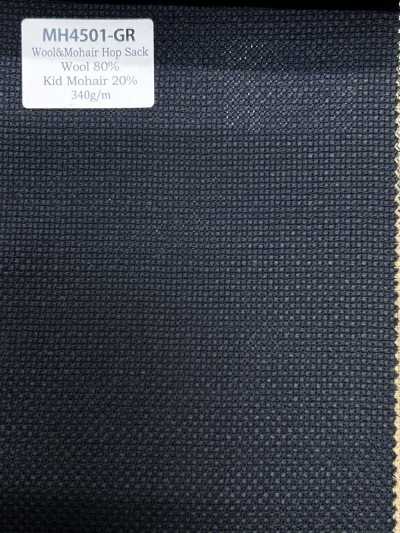
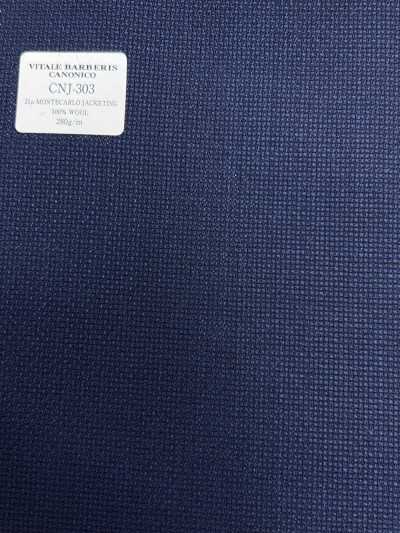
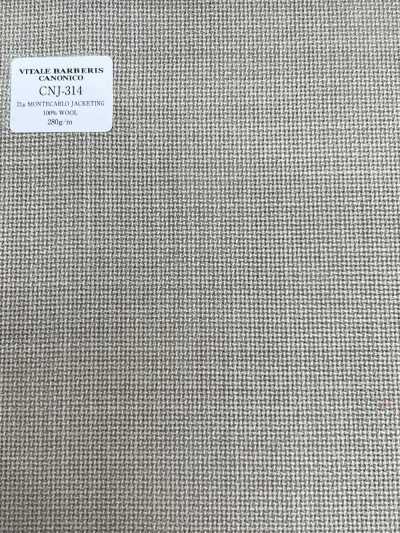
Contents6 sections
Definition and Overview
Hopsack is a woven structure that applies plain weave by grouping several warp yarns and weft yarns together and interlacing them in a grid-like pattern. The name is said to come from the coarse fabric once used for sacks that carried hops.
The appearance and performance vary greatly depending on yarn thickness, the number of yarns bundled together, weave density, and raw material. For this reason, hopsack is treated not as a material name but mainly as a term describing the structure or appearance of the textile.
Features
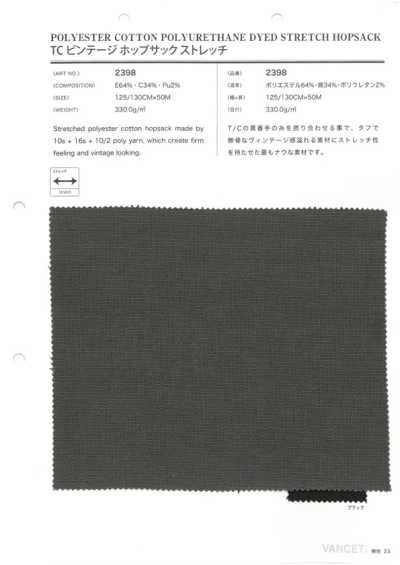
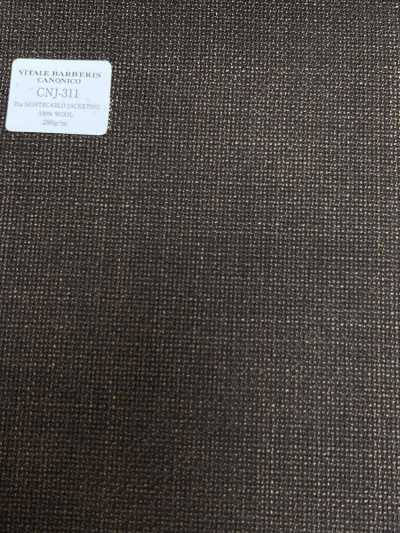
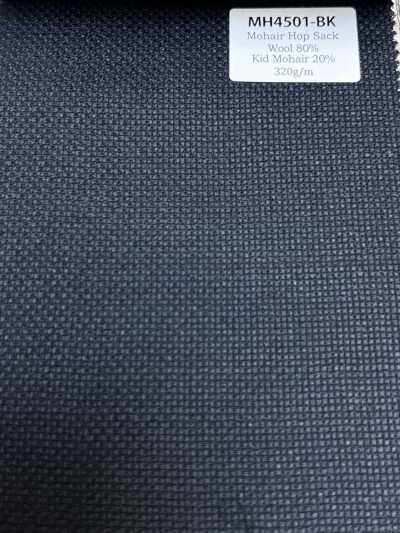
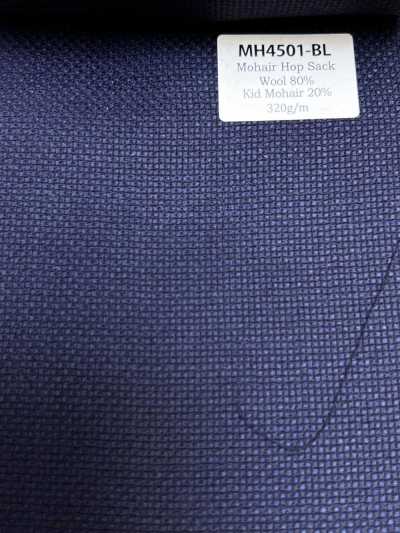
The surface shows a relatively large woven texture with unevenness and a regular grid-like look. Because it easily creates space between the yarns, it generally offers good breathability and gives a light, dry impression.
Even with a coarse weave, firmness, resilience, and drape vary depending on the yarn and density. When made with wool, it tends to become a neat jacket material; when made with cotton or linen, it tends to have a more casual, cool appearance.
On the other hand, fabrics with larger gaps in the structure require attention to snagging and yarn pops, as well as stitch gaping near seams. Stretch performance is not determined by the structure alone, but by the use of stretch yarns and whether special processing is applied.
Main Applications
Its breathable and three-dimensional appearance makes it suitable for tailored jackets, suits, pants, skirts, dresses, and more. It is especially common as a fabric for spring and summer jackets, but depending on the material and fabric weight, it can also be used year-round.
When used for a refined finish, the design often makes use of the texture of the weave while stabilizing the shape with interfacing and lining. For casual applications, it may also be used for shirt jackets and lightweight garments.
How to Choose and Handling Notes
When selecting, check the raw material, blend ratio, fabric weight, density, sheerness, and stretch. For jackets and pants, it is important to confirm with swatches and prototypes whether the required durability and tailoring appearance can be achieved, including seam gaping and silhouette.
The degree of shrinkage and shape distortion caused by washing varies depending on the material composition and finishing process, such as wool, cotton, linen, and polyester. Follow the care instructions, and before mass production confirm the shrinkage rate, skew, and surface changes using the intended washing method.
During cutting, follow the grain accurately, and during sewing choose needles and thread that will not damage the coarse weave. Excessive ironing pressure on seam allowances or repeated resewing can lead to opening in the weave and fading.
Differences from Similar Terms
Plain weave is the basic structure in which warp yarns and weft yarns cross alternately one by one. Hopsack is part of the plain-weave family, but because several yarns are bundled together and interlaced, the weave texture tends to appear larger than in plain weave.
Basket weave is a general term for a weave with a basket-like appearance, and it is sometimes used almost synonymously with hopsack. However, in trade it may be used to distinguish between structure design and fabric specifications, so it is necessary to check the actual sample and specifications.
Oxford is also a fabric with an appearance created by weaving with multiple yarns, but it is generally a term used for shirt fabric. Hopsack often refers to a rougher jacket fabric.
Frequently Asked Questions
Is hopsack a summer fabric?
It easily provides breathability and is often used for spring and summer jackets. However, seasonality cannot be judged by the structure name alone. Since the wearing feel changes depending on the raw material, yarn thickness, density, fabric weight, and whether there is a lining, check the actual fabric.
Does hopsack shrink when washed?
Whether and how much it shrinks depends not on the hopsack structure itself, but on the raw material and finishing. Fabrics containing natural fibers may change, so check the care label and, before making it into a product, confirm the shrinkage rate and changes in texture through washing tests.
What is the difference between hopsack and oxford?
Both can have a three-dimensional woven texture, but oxford is mainly a fabric name used for shirt fabrics. Hopsack refers to a coarser basket-like structure or the fabric made with it, and is often used for jackets and suiting fabrics.