Panama Weave
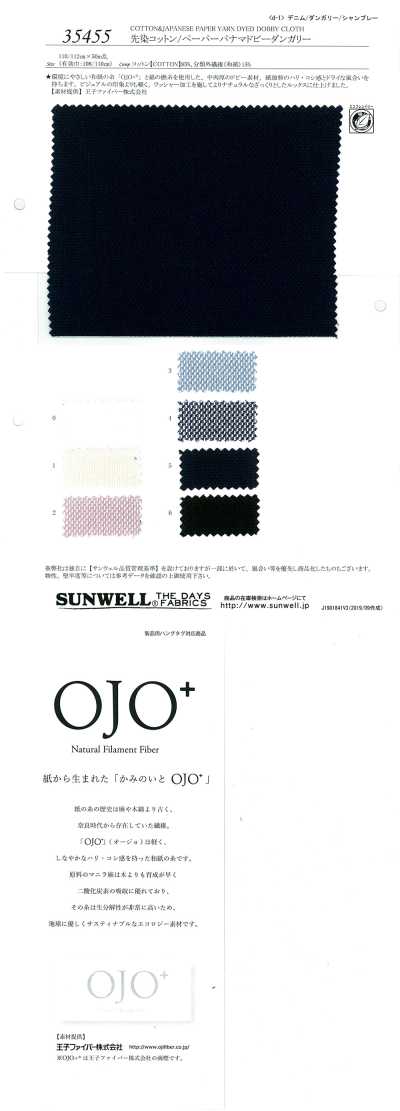
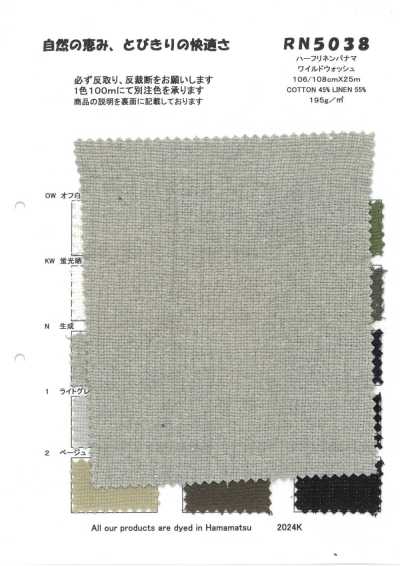
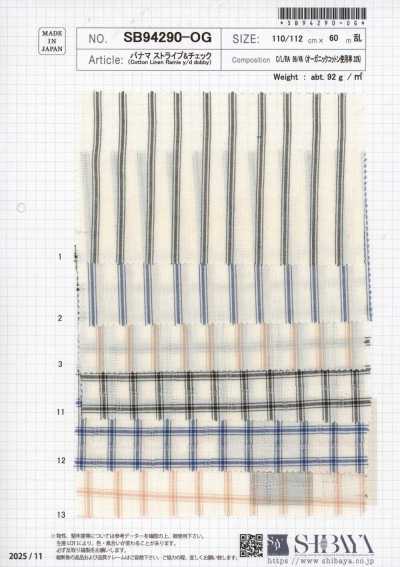
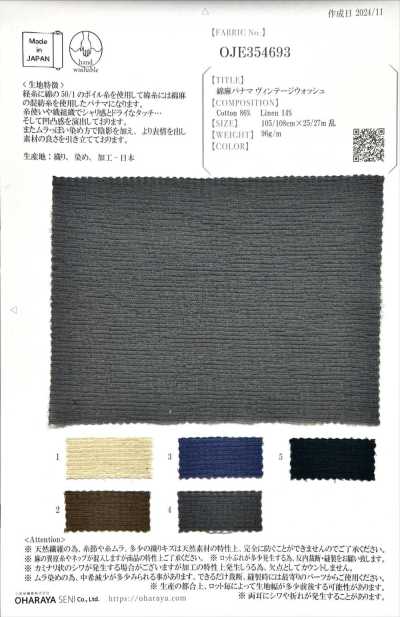
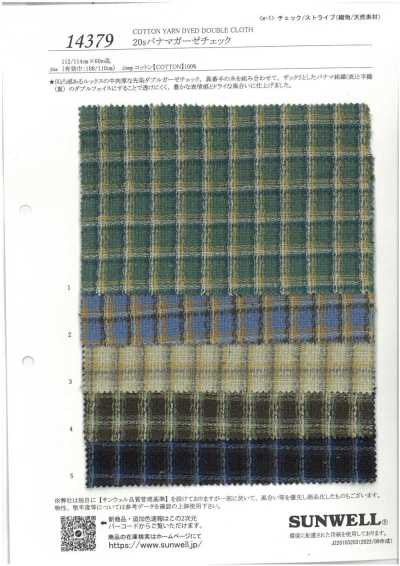
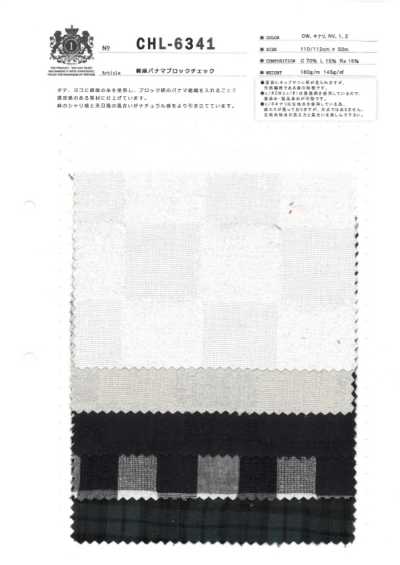
Panama is a variation of plain weave in which multiple warp and weft yarns are grouped together and interlaced, creating a coarse, lattice-like appearance and good breathability.
Contents6 sections
Definition and Overview
Panama is a weave structure in which two or more warp yarns and weft yarns are grouped together, and each group alternately floats and sinks. The basic interlacing principle is the same as plain weave, but because the yarns are woven in bundles, a larger lattice-like texture appears on the surface.
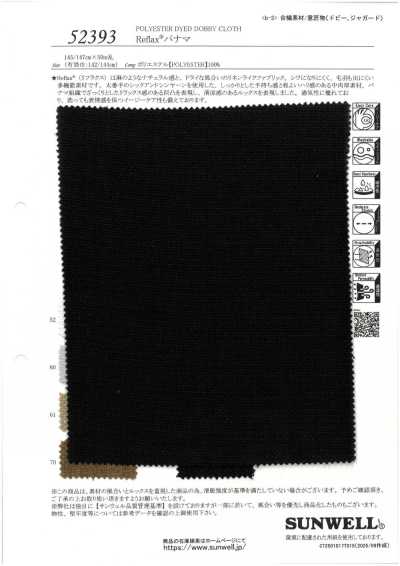
Because it is a weave structure rather than a fiber name, it is made from a variety of fibers such as cotton, linen, wool, and polyester. Depending on the thickness of the yarn used, density, material, and finish, the texture can vary greatly, from thin and lightweight textile to firm, heavy textile.
Characteristics and Appearance
Because the yarn intersections appear grouped together, it is characterized by a rough lattice feel and a raised look. In designs with relatively open spacing, air passes through more easily and the area in contact with the skin is reduced, which leads to a dry touch and better skin release.
On the other hand, breathability, sheerness, and firmness are not determined by the weave structure alone. If woven tightly with fine yarn, it gives a delicate and compact impression, while thick yarn or a low-density design creates a more rugged, casual appearance.
- It creates an appearance with lattice-like texture and raised surface detail.
- Rough designs make it easier to achieve breathability and a cool feel.
- Because the yarns are grouped together, the weave structure is more visible than in plain weave.
Main Applications and Seasonality
With its cool appearance and good skin release, it is used for spring and summer shirts, blouses, dresses, skirts, and pants. Versions made with cotton or linen are also suitable for casual wear that aims for a natural look typical of natural fibers.
Panama made with wool or polyester and adjusted in density and fabric weight is also used for jackets and suiting fabrics. For applications that emphasize breathability, it is important to check actual textile samples for sheerness, snagging, and the strength of seam areas.
How to Choose and Handling Precautions
Depending on the application, check the roughness of the structure, fabric weight, sheerness, and firmness. Thin, open-weave items may pose issues such as the sheerness of undergarments or pocket bags and the visibility of seam allowances. If necessary, consider the specifications for lining, facing, and interfacing.
Textiles containing natural fibers may shrink or change texture after washing. Before cutting, check the shrinkage rate and, if necessary, perform washing and relaxation finishing. Washing methods are affected by the material and processing rather than the weave structure, so always follow the care label and test results for each textile.
With a rough structure, yarn may snag during sewing, or needle holes and seams may stand out. Choose a sewing machine needle and sewing thread suitable for the textile, and make a test seam to check for puckering, yarn slippage, and seam shifting before deciding on mass production conditions.
Differences from Similar Terms
Plain weave is a structure in which warp yarns and weft yarns basically cross one by one alternately. Panama, by contrast, crosses multiple yarns as one group, so the lattice is larger than in plain weave, and surface irregularity and a rougher appearance are more likely to show.
Hopsack is sometimes used to refer to a structure similar to Panama, or to a coarse Panama-style woven fabric. However, the scope of the term differs depending on the fabric origin and trading partner, so it is necessary to confirm the weave diagram, material, density, and application to align understanding.
Frequently Asked Questions
Is Panama a fabric for summer?
Because its rough structure makes breathability and good skin release easy to achieve, it is often used for spring and summer clothing. However, Panama is a weave structure, and its thickness and warmth retention vary depending on the material, density, and fabric weight. It may also be used for jacket fabrics for autumn and winter.
What is the difference between Panama and plain weave?
Plain weave usually interlaces warp yarns and weft yarns one by one alternately. Panama is a variation of plain weave in which multiple warp yarns and weft yarns are interlaced as bundles. As a result, Panama has more visible lattice-like weave texture and a more raised, rough appearance.
Does Panama textile shrink when washed?
The degree of shrinkage is determined not by the Panama weave structure itself, but by the type of fiber, yarn, finishing process, and washing conditions. Changes may occur especially in textiles containing cotton or linen. Before mass production, check the shrinkage rate for each textile and, if necessary, carry out pre-treatment and washing tests.