


Arabesque
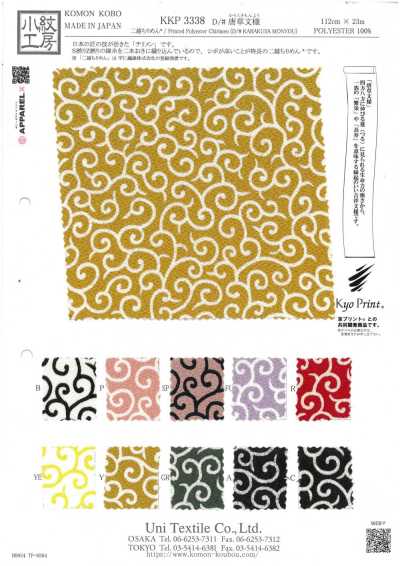
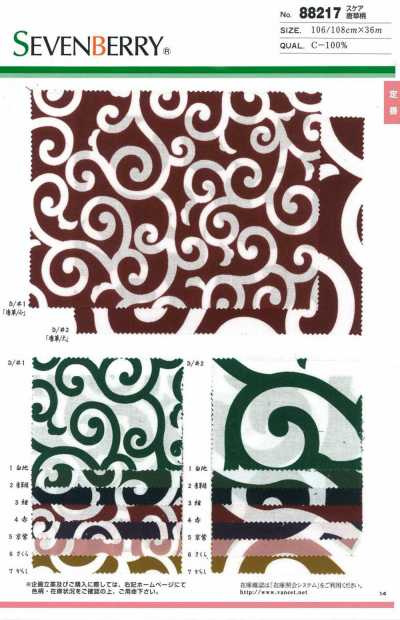
Arabesque refers to a plant pattern in which vines, leaves, flowers, and other elements continuously extend and spread, and it is used widely from traditional Japanese clothing to Western clothing, fashion accessories, and interiors.
Contents6 sections
Definition and Overview
Arabesque is a design in which plant vines branch out in curved lines and extend continuously. In addition to vine-only patterns, there are also versions that combine leaves, flowers, fruit, animals, and more, and they are characterized by flowing movement and decorative appeal.
In Japan, it is generally also called karakusa pattern or karakusa design. Because of the way vines extend in all directions, it is sometimes treated as an auspicious motif symbolizing vitality, prosperity, and longevity.
How the Pattern Is Formed and Types
The term arabesque does not refer to a specific plant or a single design, but rather to a general term for motifs made by continuously composing vine plants. The impression changes greatly depending on the size of the curves, the density of the vines, and whether flowers or leaves are included.
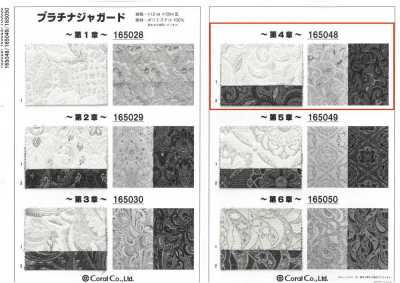
Expression methods also vary, including prints, embroidery, and woven patterns. In woven patterns, Jacquard or crepe weave may be used to create a sense of dimension, while in prints, the fineness of the lines and the color scheme can be adjusted to create delicacy, glamour, or a classical atmosphere.
- Vine arabesque: a composition centered on continuous vines and leaves.
- Flower arabesque: a glamorous composition combining flowers and vines.
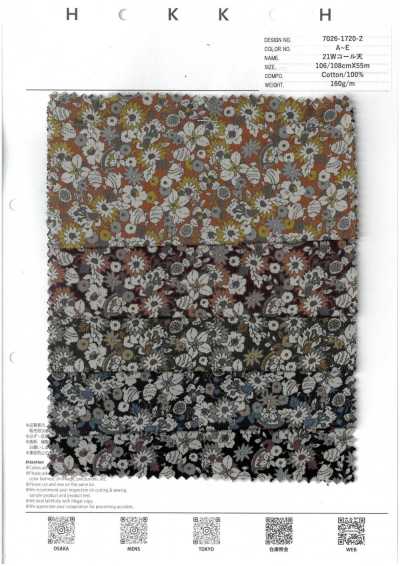
- Chintz-style arabesque: a composition densely arranged with flowers, plants, and exotic motifs.
- Combinations with phoenixes and similar motifs: a composition that features auspicious birds or animals as the main subject.
Main Uses and Seasonality
Arabesque is used for shirts, blouses, dresses, skirts, jacket linings, ties, bags, and more. Small, fine patterns create an elegant and delicate impression, while patterns using large vines or flowers suit a more distinctive look.
The pattern itself is not limited to any particular season. If it is rendered in lightweight cotton, linen, rayon, or similar fabrics with a light color scheme, it works well for spring and summer; if it is paired with deep colors on glossy satin, brushed materials, or heavy woven patterns, it is easier to create an autumn and winter feel.
Fabric Selection and Cutting Precautions
The appearance of an arabesque pattern is affected by the drape, surface texture, and scale of the design. If you want to show the details clearly, one option is to choose a fabric with a relatively smooth surface; if you want to emphasize shading and dimension, choose a woven pattern or a fabric with texture and relief.
Patterns that extend in one direction or include flowers or animals with an up-and-down orientation need to be aligned with the grain and pattern direction when cutting. Before cutting, check the layout so that the flow of the pattern is not interrupted at the front pieces, left and right collars, facings, pockets, and other parts.
In large-scale patterns or fabrics with a large repeat, the required amount may increase because of pattern matching at the seams. Also check the pattern placement within the roll, and if necessary specify the center of the pattern or the motif you want to highlight when marking.
- For patterns with an up-and-down orientation, keep the direction consistent for each piece.
- For parts meant to look symmetrical, confirm the center line of the pattern and the center line of the design.
- For side seams, center front, collar points, and pocket openings, check the continuity of the pattern and how the motifs are cut off.
- Measure the pattern repeat before cutting, and estimate the required yardage including the amount needed for pattern matching.
Differences from Similar Terms
Because arabesque refers to a composition in which plant vines continue repeatedly, the curving continuity of the vines is more important than in floral patterns centered on flowers or botanical patterns based on plants in general. Also, chintz may include arabesque motifs, but chintz broadly refers to decorative pattern expressions using flowers, plants, animals, and more.
Paisley is a pattern that repeats a teardrop-shaped motif with a pointed tip, and it is distinguished from arabesque, which is based on continuous vines and leaves. Arabesque is sometimes used with a meaning close to arabesque, but its scope of use and the designs it refers to can vary.
Frequently Asked Questions
What is the difference between arabesque and paisley?
Arabesque is a plant pattern in which vines, leaves, flowers, and the like extend continuously in curved lines. Paisley refers to a pattern that repeats teardrop-shaped motifs with tapered tips. There are designs that combine both, but the basic motifs and structures are different.
Does arabesque fabric require pattern matching?
It depends on the size of the pattern and the product specifications, but pattern matching is necessary when you want to align the continuity of the pattern or the left-right appearance at the center front, side seams, collar, pockets, and similar areas. For patterns with an up-and-down orientation, keep the direction of all pieces consistent and consider the required yardage including the amount needed for pattern matching.
Is arabesque pattern used only for Japanese clothing?
Arabesque has long been a familiar motif in Japanese clothing, but it is also used in apparel fabrics, linings, bags, fashion accessories, and interiors. Because the impression changes depending on the material, color scheme, and size of the pattern, it can be developed widely from classical expressions to contemporary designs.





