


Karaori
Karaori is a type of traditional Japanese figured woven fabric that creates patterns by adding colored yarn or gold and silver weft yarns to the ground weave.
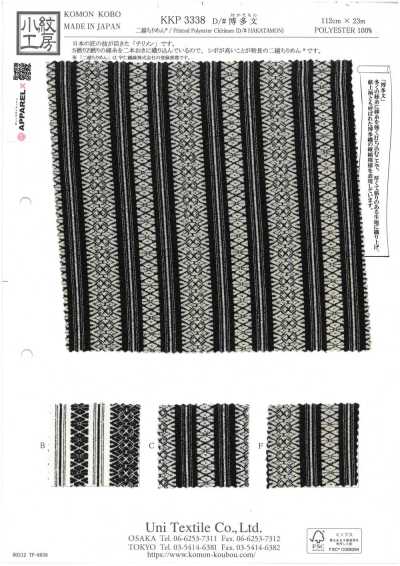
Contents6 sections
Definition and Overview
Karaori is a figured woven fabric that creates ornate patterns using weft yarns for the motif, separate from the ground weave structure. As the pattern yarn floats on the surface, layered colors and a three-dimensional look are produced. Traditionally, many examples are made mainly from silk.
The name Karaori does not refer to a material, but mainly to decorative expression created by weaving. For that reason, thickness, luster, and hand feel vary greatly depending on the type of yarn, ground weave, size of the pattern, and whether gold or silver yarn is used.
Texture and Visual Features
It is characterized by patterns of flowers, plants, and other motifs woven with multicolored yarns, giving the design a rounded, raised appearance. Those made with silk yarn have an elegant sheen, while those using gold or silver yarn change in brilliance depending on the angle of the light.
The floating yarns that make up the pattern create a woven depth that differs from flat printed designs. On the other hand, longer floats can snag more easily, and the yarn may be damaged by friction.
Main Applications
Karaori is a woven fabric that has been used for traditional garments, including Noh costumes. Today, it is also applied to obi sashes, Japanese accessories, stage costumes, and partial use in formal dresses and apparel that emphasizes decoration.
Because the fabric has a strong presence, when used over a wide area, the pattern size, placement, and finished garment weight should be checked. Its relatively ornate and substantial impression is easy to make use of, and it is suitable not only for autumn and winter outfits but also for special occasions such as ceremonies and stage performances.
Selection and Handling Notes
When selecting it, check the material and blend ratio, ground weave, how the pattern yarn floats, fabric thickness, and pattern direction. Large patterns change appearance depending on the cutting position, so allow for extra yardage for pattern matching and consider in advance the placement for the left and right body panels and the collar.
Karaori made with silk or gold and silver yarn may shrink, fade, or change texture when washed in water. Do not generalize whether home washing is possible; it is important to follow the washing instructions for each fabric or product. For storage, avoid moisture, direct sunlight, and strong pressure.
In sewing, take care not to snag the floating yarns on the surface, and use test stitching to check needle holes, yarn pulling, and how the seams settle. Since stepped areas can form easily in thicker sections, adjust seam finishing, presser foot pressure, and ironing conditions to suit the fabric.
Differences from Similar Terms
Jacquard is a broad term related to the weaving method or loom mechanism used to weave patterns. Karaori is understood as a traditional Japanese woven fabric using such figured weaving techniques, and it is characterized by vivid, three-dimensional pattern expression using colored yarns.
Kinran is also a woven fabric that expresses luxurious patterns using gold yarn or gold foil yarn, but its weave structure and decorative expression are not the same as Karaori. Printing, meanwhile, is a process of printing a pattern on the surface, and its manufacturing method and texture differ from Karaori, which expresses patterns by weaving in motif yarns.
Frequently Asked Questions
Can Karaori be washed at home?
Karaori may contain silk, gold and silver yarn, and floating yarns, so water washing may cause shrinkage, fading, reduced luster, and disruption of the motif yarns. Whether home washing is possible depends on the material and finishing, so always check the care label for each fabric or product, and consult a specialist if you are unsure.
What is the difference between Karaori and Jacquard?
Jacquard is a broad term for woven fabrics or weaving methods that create complex patterns. Karaori is a type of traditional Japanese figured woven fabric, and it is characterized by adding colored weft yarns for the pattern to the ground structure, creating ornate and rounded motifs.





