Kinsha
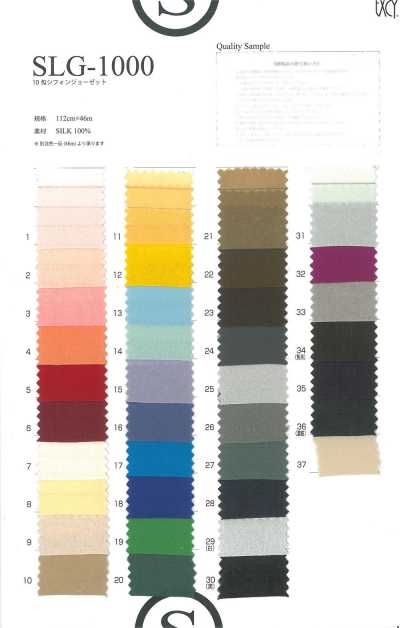
Kinsha is a thin, silk-based chirimen fabric, woven with fine high-twist yarns to create a fine, even texture and a supple drape.


Contents6 sections
Definition and Overview
Kinsha is a type of chirimen. It is generally based on plain weave, and by using high-twist yarn for the weft, it creates a fine crepe texture on the fabric surface. It refers to fabrics with a finer texture than ordinary chirimen, giving a delicate and smooth impression.
Traditionally, silk is used as the main material, but today there are also fabrics with a similar feel made from synthetic fibers depending on the application. It is important to confirm that “Kinsha” is not a material name, but a term for the fine crepe texture or variety of chirimen.
Characteristics
The fine crepe texture gives it an elegant sheen that softly reflects light and a smooth hand feel. Even in lightweight fabrics, the contact area against the skin tends to be smaller than with flat fabrics, creating a comparatively breathable feel against the skin.
While it is thin, supple, and highly drapable, the sheerness, firmness, and drape vary depending on the fabric weight, density, and fiber type. In patterned dyeing, the fine uneven texture adds depth to the design, so it is used not only for solid fabrics but also for prints and dyed patterns.
Main Applications
In Japanese clothing, it is used for kimono, haori, juban, and similar items, and is especially treated as a fabric for showing delicate dyed patterns. It is suited to applications that make use of its lightness, but because the wearing season depends on the construction and whether it has a lining, it is necessary not to judge the season by the name alone.
In western clothing and fashion accessories, it is used for blouses, dresses, scarves, costumes, and also for partial use where drape and lightness are desired. If it is sheer, it should be designed with lining, a separate fabric, or layered construction in mind.
Selection and Handling Notes
When selecting it, check the blend ratio, fabric weight, sheerness, fineness and uniformity of the crepe texture, and the appearance of dyeing or printing using the actual material. Because washing methods, heat resistance, and required care differ depending on whether it is silk or synthetic fiber, do not decide handling based on the name alone; check the care label.
Moisture and heat may cause shrinkage and change the texture. Before cutting, consider pre-washing or hot-water treatment as needed, and test under the same conditions as mass production. When ironing, use a pressing cloth and take care not to press too hard and flatten the crepe texture.
Thin, slippery fabrics are prone to shifting during cutting, and puckering or seam distortion is more likely to show during sewing. Choose a fine needle and thread suitable for the fabric, and adjust stitch quality, presser foot pressure, and feed with test stitching.
- Check the grain and pattern direction before cutting.
- If the fabric is sheer, include lining and seam finishing in the specifications.
- Check shrinkage and color change caused by washing or dry cleaning in advance.
Differences from Similar Terms
Chirimen is a general term for woven fabrics characterized by a texture created by high-twist yarn. Kinsha is a term within that category, characterized by a fine, delicate texture made with fine yarn. However, the scope of the term may differ depending on the region of production or the trading partner.
Crepe is a broad term for fabrics that have a crinkled or uneven surface created by twist, structure, or processing. Kinsha is a chirimen term used for Japanese clothing fabrics, and it is not synonymous with all crepe fabrics or lightweight chirimen.
Frequently Asked Questions
What is the difference between Kinsha and chirimen?
Chirimen is a general term for woven fabrics with a texture created by high-twist yarn, and Kinsha is one type of it. Kinsha is generally characterized by a fine, uniform, delicate texture made with fine yarn. However, because usage of the term varies in trade, check the actual fabric sample.
Can Kinsha be washed at home?
Silk Kinsha may shrink in water washing and the crepe texture or sheen may change, so whether it can be washed at home depends on the care label. Even with synthetic fiber versions, conditions vary depending on processing and blend ratio. Before productization, perform washing tests and check dimensional change and appearance.
What should you pay attention to when sewing Kinsha?
With thin, slippery fabrics, shifting during cutting, needle holes, and puckering are more likely to occur. Use a fine needle and appropriate thread, and test thread tension and feeding with scrap pieces. If necessary, use interfacing for lightweight fabrics or stabilizing paper, and consider sheerness when finishing seam allowances.