


Madder Dyeing
Madder dyeing is a plant dyeing method that uses the roots of madder plants as the main dye raw material, and produces shades such as red, vermilion, orange, and brown depending on the mordant and dyeing conditions.
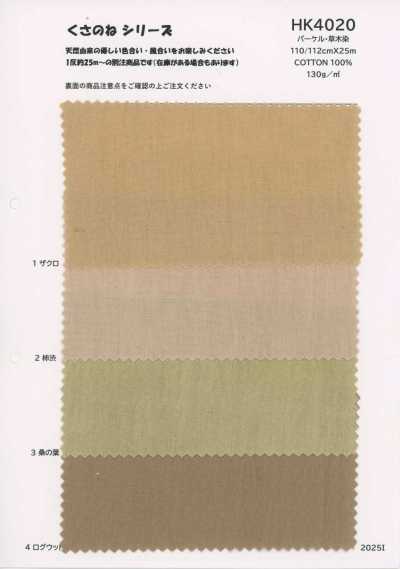
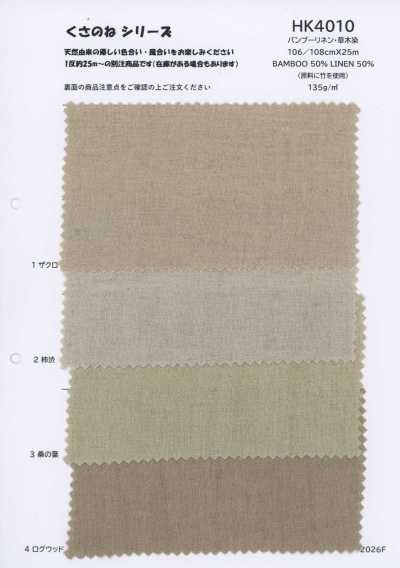
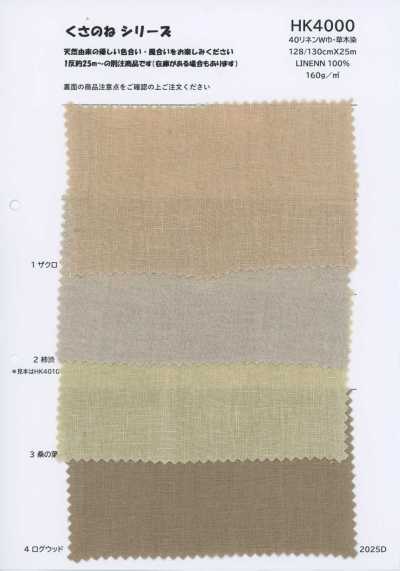
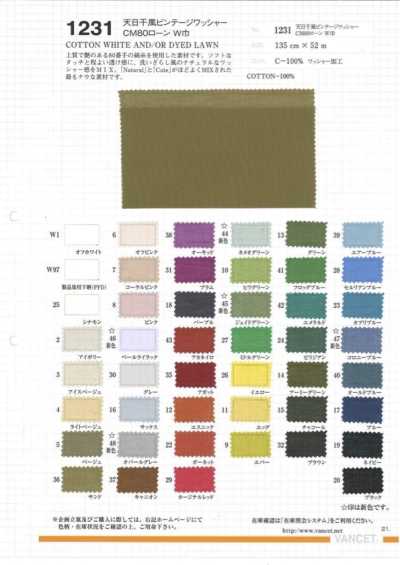
Contents6 sections
Definition and Overview
Madder dyeing is a plant dyeing method that uses pigments contained in the roots of madder plants. The color varies depending on the type of fiber being dyed, pretreatment, mordant, and the concentration and number of dye baths, so even with the same madder dyeing, the shade can vary widely.
Mordanting is the process of using a mordant to fix dye to the fiber or change the hue. Madder dyeing is not the name of a specific fabric or fiber; it refers to a dyeing method that can be applied regardless of material or structure.
Color Tone and Texture Characteristics
In general, madder dyeing tends to produce warm shades ranging from red, vermilion red, and orange red to muted reddish brown. Brightness, depth, and lightness vary depending on the amount of pigment in the raw material and the dyeing conditions, and the gentle color variation, unlike uniform industrial dyeing, creates character.
The texture depends not on madder itself, but on the material properties of cotton, linen, silk, wool, and other fibers, as well as the conditions of scouring, mordanting, and finishing. It is not possible to uniformly judge functions such as softness, antibacterial properties, or UV protection simply because natural dyes were used.
Main Applications
Taking advantage of its natural color tone and handcrafted feel, it is used for shirts, blouses, dresses, scarves, kimono accessories, and fashion accessories. By choosing the material and fabric weight, it can be developed from light clothing for spring and summer to layered items for fall and winter.
Its subdued red tones are suitable not only for solid designs but also for combinations with embroidery, prints, and woven patterns. However, for patterned or color-blocked products, it is important to select the colors and accessories to be combined with the expectation of fading and color transfer during use.
Selection and Handling Notes
During planning, do not specify the desired color only in words; check the hue, depth, and lot consistency with physical samples. When natural raw materials are used, color differences may occur due to the raw materials and dyeing conditions, so it is advisable to reach agreement with lab dips or production samples before mass production.
Shrinkage is not a property unique to madder dyeing; it is determined mainly by the fiber of the base cloth, the structure, pretreatment, and finishing. Before cutting and sewing, if necessary, carry out wetting or straightening of the grain, and confirm the shrinkage rate according to the product's washing method.
Resistance to washing and sunlight varies depending on the type of fiber, mordanting method, and dyeing conditions. Follow the care label, and avoid strong friction, soaking for long periods, and storage in direct sunlight. Because color may transfer when a wet item comes into contact with light-colored items, the first wash should be done separately.
- Check sewing thread, interlining, tape, and other components not only for color difference from the fabric, but also for how they look after washing.
- During sewing, test on offcuts to see whether needle marks, fading, or discoloration and gloss from pressing stand out.
- Depending on the product application, confirm lightfastness, wash fastness, abrasion resistance, and other fastness properties in advance.
Differences from Similar Terms
Plant dyeing is a general term for dyeing using plant-derived dyes. Madder dyeing is one type, distinguished by using madder roots as the main dye raw material. Indigo dyeing, safflower dyeing, and gromwell dyeing each use different dye plants and produce different color tones.
Japanese madder and European madder are names used to distinguish madder species treated as dye raw materials for madder dyeing. Since color tendencies change depending on the type and origin of the raw material, as well as extraction and dyeing conditions, the term "madder dyeing" alone may not identify the raw material species.
Frequently Asked Questions
Can madder-dyed items be machine washed at home?
Whether home washing is possible is not determined by madder dyeing alone. Check the fabric material, dyeing method, and product accessories and construction, and follow the care label. Even when washing is permitted, use a short, gentle wash and line dry in the shade as a basic rule, and avoid washing together with items of different shades.
Does madder-dyed fabric fade?
The degree of color loss and fading varies depending on the fiber, mordanting, dyeing conditions, and usage environment. In particular, friction, sweat, moisture, and sunlight affect color change, so confirm the test results for the fastness required for the application. In mass production, color differences from samples and lot-to-lot variation are also subject to control.





