Fine Stripes
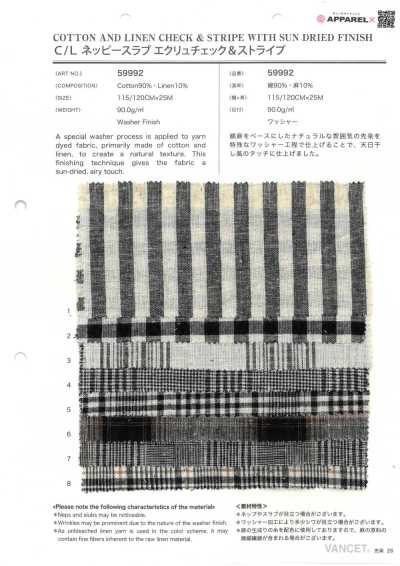
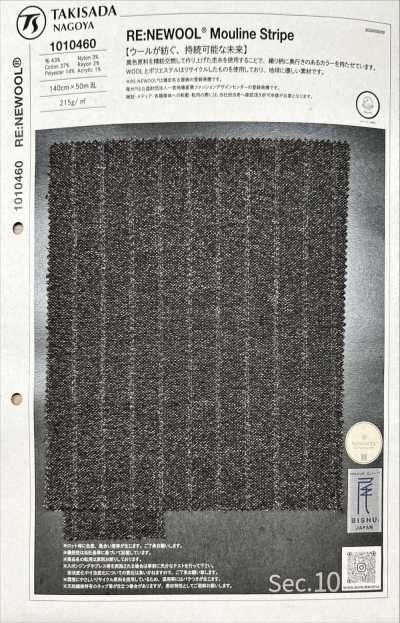
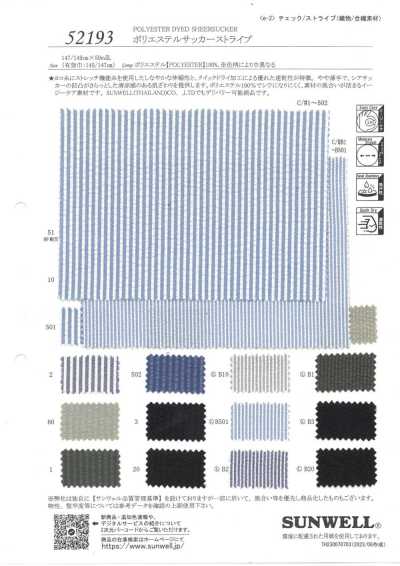
Fine stripes and thin stripes are stripe patterns, mainly yarn dyed, in which very fine vertical stripes are closely arranged against the ground color, and they may be distinguished by the thickness and spacing of the lines.
Contents6 sections
Definition and Overview
Fine stripes are stripe patterns in which very thin lines are arranged continuously at equal or near-equal intervals. They are often created with stripes running in the warp direction, and while they can look almost solid from a distance, the delicate stripes become visible up close.
The name comes from the appearance of many fine lines lined up together. However, there is no common standard that strictly distinguishes fine stripes from thin stripes by line width or number of lines, and the naming may differ depending on the fabric source or trading partner.
How the Pattern Is Made and Types
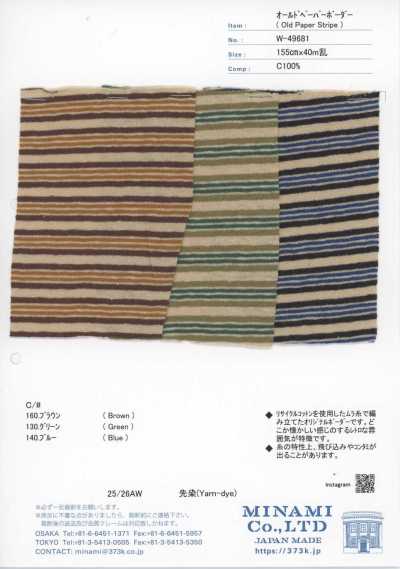
In woven fabrics, they are commonly expressed through yarn dyeing by arranging warp yarns of different colors. Stripes created by yarn dyeing tend to show on the reverse side as well, and their sharpness or softness changes depending on the weave, yarn thickness, and color combination.
There are also fabrics with fine stripes expressed by printing. Because it can be difficult to tell by appearance alone whether a fabric is yarn dyed or printed, check the front and back appearance, composition, and processing method in the fabric specifications.
- Fine lines in light or dark colors on a white ground
- Fine light lines on a dark ground
- Repeated single-color lines
- Combinations of fine lines in multiple colors
Main Applications and Seasonality
They are used for shirts, blouses, dresses, and skirts, as well as jackets, suits, and pants. Fine vertical stripes can create a neat impression and are used from business wear to casual wear.
The pattern itself is not seasonal. Seasonal suitability is determined by the material, fabric weight, and finish, such as lightweight, breathable cotton or linen fabrics for spring and summer, and medium-weight to heavy wool fabrics for fall and winter.
Points to Note When Choosing and Cutting the Fabric
At the planning stage, confirm the line thickness, stripe spacing, and contrast with the ground color using the actual fabric. Fine stripes may look solid on screen, or appear to flicker depending on shooting or display conditions, so checking swatches and product samples is important.
When the stripes are intended to appear vertical, clearly indicate the stripe direction relative to the grain in the pattern instructions. If the stripe position shifts at the front center, side seams, pockets, yokes, plackets, and similar areas, it will stand out, so cut the fabric based on a defined alignment line.
When matching the stripes on the left and right body panels or sleeves, allow for the necessary pattern matching. Even with small patterns, cutting misalignment can become noticeable in the finished product, so confirm fabric consumption and marker efficiency based on the repeat, part layout, and fabric width.
- Check whether it should be handled as a one-way pattern or whether it can be used with the top and bottom reversed.
- Specify whether the placket, chest pocket, and flap should continue the stripes or be intentionally offset.
- The finer the pattern, the more attention should be paid to grainline shift during cutting and changes in appearance caused by stretching during sewing.
Differences from Similar Terms
Fine stripes and thin stripes are general names for fine stripe patterns, not weave structures or material names. Stripe refers to stripe patterns in general, while fine stripes and thin stripes are names that describe a finer, denser appearance within that category.
Pinstripes and pencil stripes are also fine vertical stripes, but they are distinguished by line thickness, spacing, and customary usage. Since these names do not have a clear dimensional boundary, confirm with swatches or pattern specifications rather than relying on the name alone when ordering.
Frequently Asked Questions
Is there a clear difference between fine stripes and thin stripes?
Both terms refer to fine stripe patterns, but there is no widely accepted standard that uniformly distinguishes them by line width or number of stripes. Usage varies by trading partner and production area, so in planning and ordering, specify not just the name but also the stripe thickness, spacing, and color combination using a sample or specification sheet.
Do fine-stripe or thin-stripe fabrics need pattern matching?
Pattern matching is necessary in designs that emphasize stripe continuity at the front center, left and right body panels, plackets, pockets, and similar areas. Even fine stripes can show misalignment, so specify the reference stripe position and also consider the extra fabric required for matching in advance.
Are fine stripes or thin stripes a summer pattern?
Seasonality is not determined by the pattern alone. When used on lightweight cotton or linen fabrics, they tend to create a light, spring-and-summer impression; when used on wool or brushed fabrics, they can also work for fall and winter. It is important to choose the composition, fabric weight, sheerness, and finish according to the intended use.