Microfiber
Microfiber is a general term for materials made using very fine fibers, and it is a material that can be designed in a wide range from a soft hand to functional performance depending on the raw material, woven or knitted structure, and processing.
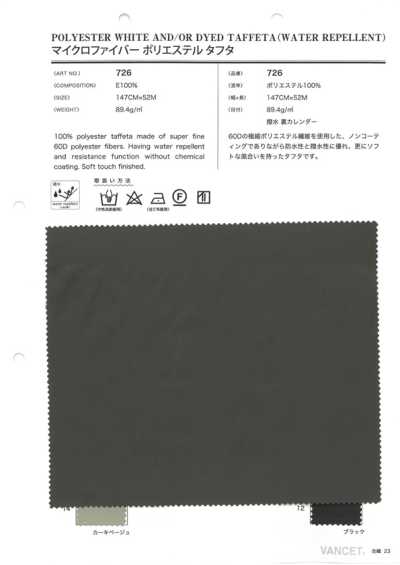
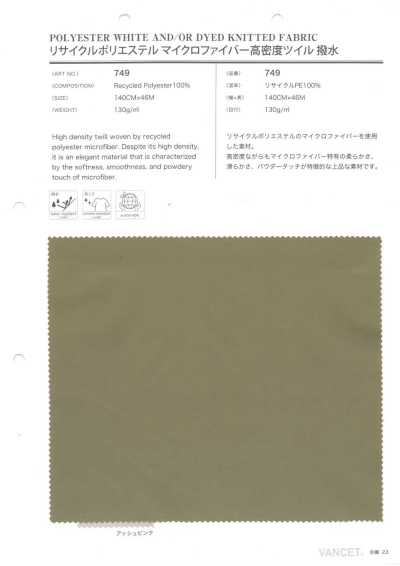
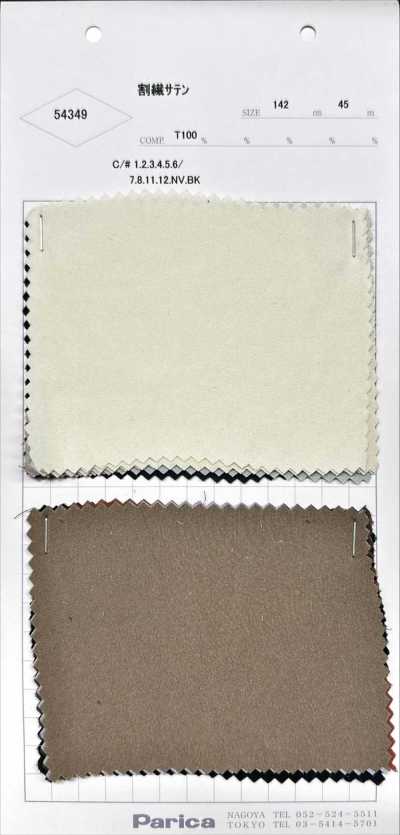
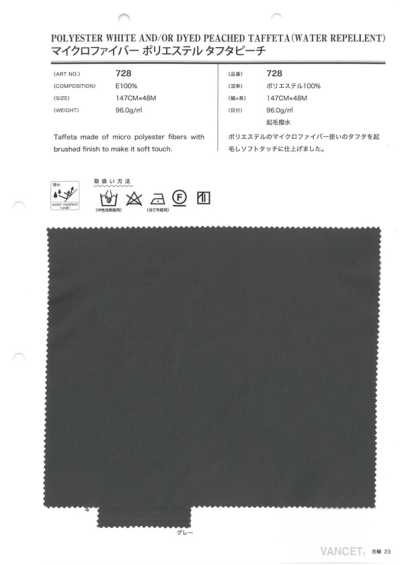
Contents6 sections
Definition and Overview
Microfiber is a general term for materials made from single fibers finer than ordinary fibers. It is not a specific raw material name or fabric construction name, but rather a term that focuses on fiber fineness, and it is often made using polyester, nylon, and similar materials.
It is used in woven fabrics, knitted fabrics, and nonwovens, as well as materials that have undergone processing such as brushing or fiber-splitting. Even within microfiber, hand feel, appearance, strength, and water absorbency vary greatly depending on the raw material, yarn shape, density, and surface finishing.
Texture and Function
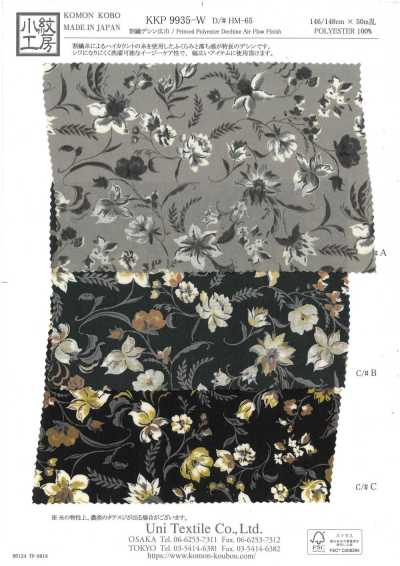
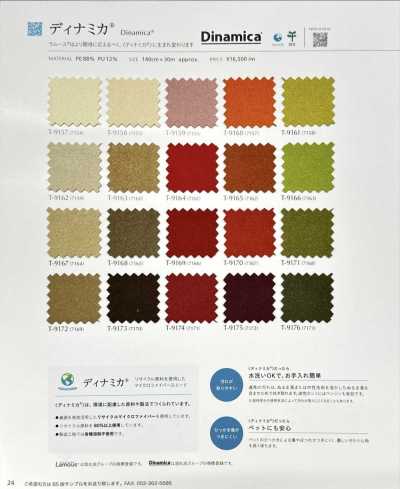
By using fine fibers at high density, it is easy to create a smooth, soft hand, a delicate brushed feel, and a dense surface appearance. In yarns with varying thickness, it may also be used to reduce the strong luster characteristic of synthetic fibers and aim for a natural wool-like appearance.
Because of the fine spaces between fibers, it can be designed to absorb moisture and dirt easily, so it is also used for cleaning cloths and similar products. On the other hand, absorbency, quick-drying performance, breathability, and water repellency are not determined by fiber fineness alone, so the raw material, structure, and finishing must all be checked.
Main Applications
In apparel, it is used for outerwear, jackets, pants, skirts, dresses, and other items that take advantage of a suede-like or peach-skin-like surface. Since it can be designed from light to heavy fabrics, items and seasons are selected according to fabric weight, structure, and whether it is brushed or not.
Outside apparel, it is also used for towels, cloths, bedding and interior applications, and as a base material for synthetic leather. When deciding on an application, confirm not only appearance but also abrasion, changes in pile direction, dimensional change after washing, and the required functional performance through testing or actual samples.
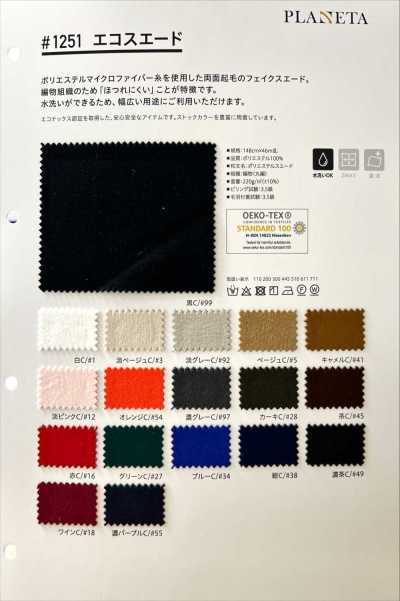
- For autumn and winter clothing, there are applications that make use of a moist surface feel, such as double-sided suede-like finishes.
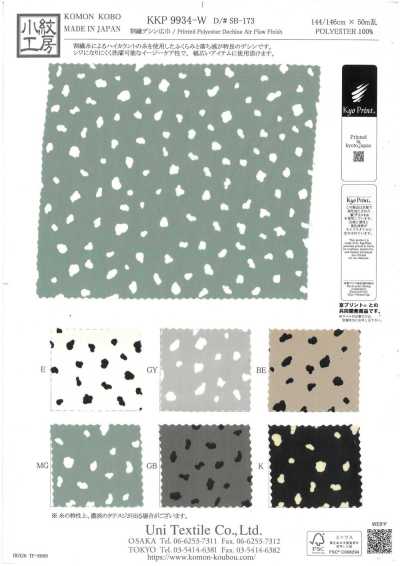
- For spring and summer clothing, it can be made into light, thin woven or knitted fabrics intended to feel dry against the skin and dry quickly.
- For cleaning applications, wipe-off performance for dirt using the fine spaces between fibers is emphasized.
How to Choose and Handling Precautions
When selecting, do not judge only by blend ratio; check fiber fineness, woven or knitted structure, fabric weight, density, brushed finish and brushed direction, and stretchability. For suede-like and brushed products, the color may appear lighter or darker depending on the pile direction, so it is important to align the cutting direction and the pile direction between parts.
Shrinkage and changes in texture due to washing vary depending on the raw material and processing conditions. Before mass production, perform washing tests to confirm shrinkage rate, pile direction, surface sheen, and color transfer. High-temperature drying and strong friction may damage the texture, so follow the washing instructions for each product.
During sewing, needle holes may stand out in thin or high-density fabrics, and feed differences may occur on brushed surfaces. Choose a needle and thread suited to the fabric, and perform trial stitching in advance to check seam puckering, skipped stitches, and seam shrinkage, then adjust the feed dogs and presser foot pressure.
Differences from Similar Terms
Polyester and nylon are names of fiber raw materials, whereas microfiber is a term indicating the fineness of the fiber. Therefore, microfiber may be made of polyester or nylon, but the two are not the same classification.
Suede is a type of leather, while suede-like refers to an expression that imitates that surface feel. Microfiber can be brushed to create a suede-like finish, but microfiber itself does not mean suede or synthetic leather.
Frequently Asked Questions
Is microfiber the same as polyester?
No, it is not. Polyester is the name of a fiber raw material, while microfiber is a term for materials made by making fibers very fine. Many microfiber materials are made of polyester, but other raw materials such as nylon may also be used. When selecting a fabric, check the raw material and fiber fineness separately.
Does microfiber fabric shrink when washed?
The degree of shrinkage varies depending on the raw material, structure, finishing such as brushing or resin treatment, and washing and drying conditions. Even when synthetic fibers are the main component, dimensions and texture may change due to heat, drying, or changes in processing. Before mass production, it is important to confirm the shrinkage rate under the intended washing conditions and set the product's washing instructions accordingly.
What should you be careful about when sewing suede-like microfiber?
Because the color and appearance of reflected light can change depending on the pile direction on brushed surfaces, the cutting direction for each part should be standardized. Needle holes, presser marks, and waviness in the seam may also stand out. Before mass production, perform trial stitching with the actual fabric and adjust the needle, thread, feed, and presser foot pressure while checking the appearance.