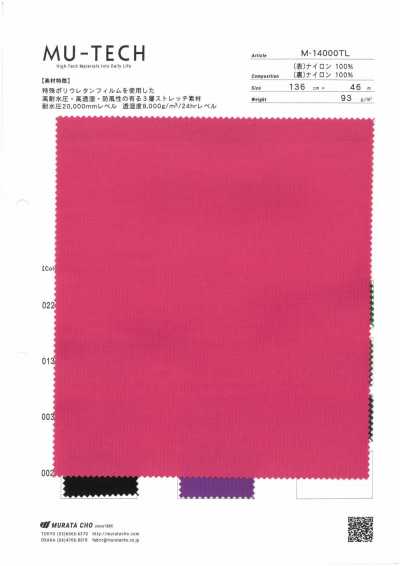
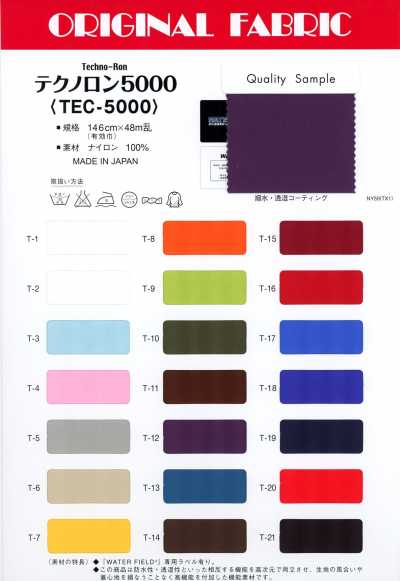
Microporous Membrane / Non-porous Membrane
Microporous membranes and non-porous membranes are a structural classification of membranes used in intermediate layers of waterproof, breathable materials and similar products, which suppress water penetration while allowing water vapor inside the garment to move outward.
Contents6 sections
Definition and Overview
Microporous membranes and non-porous membranes are terms that distinguish the structure of thin functional membranes, or membranes, placed between the outer fabric and lining. Rather than being names of a standalone woven or knitted fabric, they refer to materials and structures that add functionality to fabric through lamination or bonding.
Microporous membranes use tiny pores and are designed to make liquid water droplets harder to pass through while allowing water vapor to escape more easily. Non-porous membranes have no pores and move water vapor through adsorption, diffusion, and release within the membrane.
Features and Appearance
Both are used to achieve both waterproofness and breathability, but performance is not determined by the membrane alone. Water repellency of the outer fabric, the type and thickness of the membrane, the backing material, the layered construction, and seam treatment all affect moisture comfort, softness, and durability.
The surface appearance varies depending on the outer fabric used, and can be matte, glossy, patterned, and more. In general, fabric with a laminated membrane may feel stiffer or springier than a single-layer fabric, and depending on the membrane type and construction, rubbing noise may also be noticeable.
Main Applications
Used for outerwear, rainwear, outdoor wear, sportswear, workwear, and other items that need protection from rain and wind while reducing moisture buildup inside clothing. It is also suitable for items designed to be layered, from lightweight spring and autumn clothing to cold-weather shells.
When waterproofness is required for the product as a whole, seams can let water in through needle holes. For that reason, in addition to the waterproof and breathable performance of the fabric itself, seam sealing with seam tape and water-resistant zipper and pocket specifications are also considered together.
Selection and Handling Precautions
When selecting, check waterproofness, breathability, abrasion resistance of the outer fabric, stretch, and the feel against the skin on the reverse side according to the intended use. Whether a microporous membrane or a non-porous membrane is more suitable should be determined from the usage environment, required durability, washing conditions, and product specifications, based on test values for each fabric and the care tag.
Shrinkage and dimensional change depend on the properties of the entire laminated fabric, including the outer fabric, lining, and adhesive layer. Before mass production, conduct washing and sewing tests to confirm whether there is differential shrinkage, twisting, or lifting between layers. High-temperature drying and strong heat pressing may damage the membrane and adhesive layer, so caution is required.
In sewing, pay attention to stress on the membrane from needles that are too fine or excessive stitch density, water penetration through needle holes, and pressure marks. Use a pressing cloth for ironing, and follow the temperature and care label specified for each fabric. For care methods when water repellency declines, also prioritize the individual care instructions.
Differences from Similar Terms
Waterproof and breathable refers to the overall function of preventing water penetration while allowing water vapor to pass through easily. Microporous membranes and non-porous membranes, on the other hand, are a classification focused on the membrane structure that achieves that function. Even when something is labeled waterproof and breathable, the membrane structure may not be specified.
Lamination and bonding are processing methods that attach membranes or fabrics together. Microporous membranes and non-porous membranes are the structure of the membrane being bonded, so they do not mean the same thing. Two-layer and three-layer refer to the layered construction of the outer fabric, membrane, lining material, and so on.
Frequently Asked Questions
Which has better breathability, a microporous membrane or a non-porous membrane?
It is not possible to determine superiority from the membrane structure alone. Breathability is affected by the membrane design, thickness, combination with the outer fabric and backing material, humidity difference, and wearing conditions. It is important to compare using test values and practical evaluation for each fabric, including the waterproofness and durability required for the application.
Does waterproof and breathable fabric prevent water from entering through the seams?
Because needle holes are created during ordinary machine sewing, water may penetrate through the seams even if the fabric itself is waterproof. If product-level waterproofness is required, such as for rainwear, seam sealing with seam tape and a waterproof design that includes the sewing specifications are necessary.
Does fabric made with a microporous membrane or non-porous membrane shrink when washed?
The degree of shrinkage varies not only by membrane type but also by the outer fabric, backing material, adhesive layer, and finish. Since dimensions may change with washing, drying, and heat pressing, follow the care label and, before productization, check the shrinkage rate and layer condition under actual washing conditions.