


Membrane
A membrane is a thin functional film used in fabrics to use fine pores or the property of allowing water vapor to pass through, reducing water penetration while releasing moisture from inside the garment to the outside.
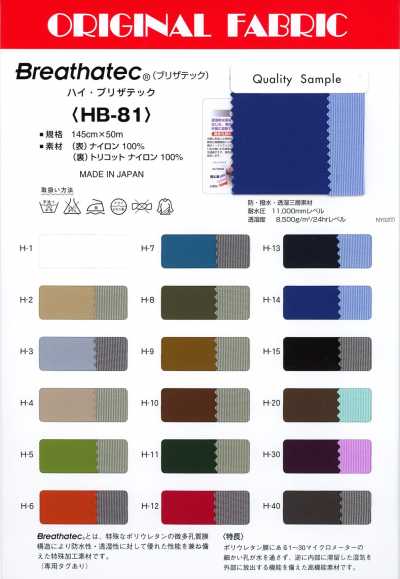
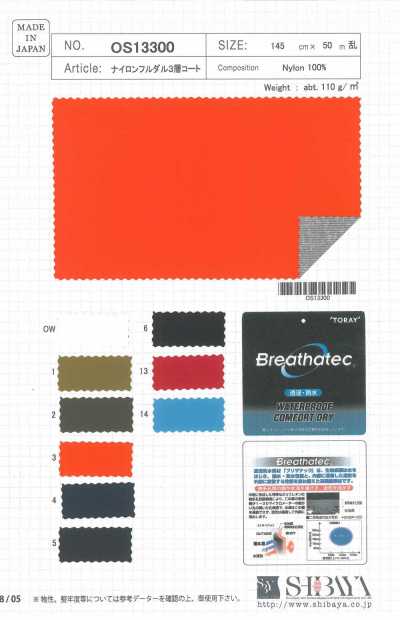
Contents6 sections
Definition and Overview
A membrane is a thin functional film placed between the shell fabric and lining. It is designed to be difficult for liquid water such as rain to pass through while allowing water vapor generated during wear to move outward, aiming to achieve both waterproofness and moisture permeability. It is not the name of a standalone woven or knitted fabric.
There are two types of membrane structures: those that use microscopic pores and those that move water vapor through the membrane. Performance is not determined by the membrane alone, but by the overall product design, including the shell fabric, lining, bonding method, and seam treatment.
Features and Appearance
Fabric laminated with a membrane generally provides wind resistance even in thin materials and is suitable for protection against cold wind and rain. On the other hand, depending on the membrane type and laminated structure, it may feel stiff, rigid, noisy, or less stretchable.
Because the appearance is mainly determined by the woven or knitted fabric used for the shell, the membrane itself is a material that is difficult to identify visually. A water-repellent finish may also be applied to the surface, but water-repellent finish is a surface treatment that makes water bead up and repel easily, and its role differs from the waterproof function provided by the membrane.
Main Applications
It is used in outerwear intended for rain and wind, such as rainwear, mountain parkas, coats, and ski wear. Because it can also help reduce stuffiness caused by sweat inside the garment, it is used in outdoor wear, sportswear, and workwear as well.
Because it is not simply a thermal insulation material, it is common to supplement warmth by combining it with quilt batting, fleece, or lining during cold seasons. Depending on the application, from spring and autumn windproof outerwear to layered outerwear for rain and snow, the construction is selected accordingly.
Selection and Handling Precautions
Depending on the application, check water resistance, moisture permeability, air permeability, shell fabric strength, stretch, and laminated structure. For garments that require waterproofing, specifications such as seam tape to prevent water from entering through the seams are also important in addition to fabric performance.
Always wash according to the product label. Detergents, fabric softeners, and drying methods may affect the surface water repellency or the condition of the membrane, so strong friction, high-temperature ironing, and excessive heat drying should be avoided. Washing tests and dimensional change checks are performed at the fabric stage.
In sewing, needle holes can become a weak point in the waterproof layer. If necessary, cover the seams with tape and verify the tape adhesion conditions in advance. Excessive heat or pressure may cause membrane deformation, peeling, or surface changes, so press conditions also require attention.
- Check the shell fabric water repellency and membrane waterproofness separately.
- Select the shell fabric and laminated structure according to the intended wearing conditions.
- After cutting, sewing, and pressing, check for peeling or water leakage.
Differences from Similar Terms
Waterproof and moisture-permeable refers to the overall function of preventing water penetration while allowing moisture to escape. A membrane is a representative component that realizes this function, and waterproof and moisture-permeable fabrics may also be made by methods other than membranes.
Laminate and bonding refer to processing or structures that bond membranes, fabrics, and other materials together. A membrane is one of the materials being bonded, and not all laminated or bonded fabrics have waterproof and moisture-permeable functionality.
Frequently Asked Questions
Does membrane fabric completely prevent stuffiness?
A membrane makes it easier for water vapor inside the garment to move, but the feeling of stuffiness varies depending on sweat volume, outside humidity, layering, and whether the shell fabric gets wet. It is important to check not only moisture permeability but also air permeability and garment ventilation features.
Can membrane fabric be washed at home?
Some products can be washed at home, but conditions vary depending on the membrane type, bonding specification, and accessories. Follow the product washing instructions first, and avoid strong friction and high-temperature processing. During product planning, check the appearance, peeling, and dimensional change after washing.





