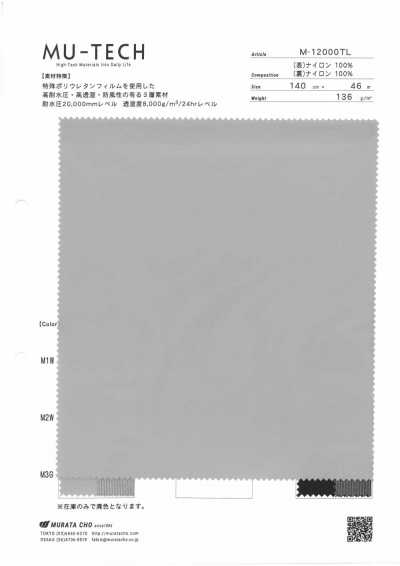
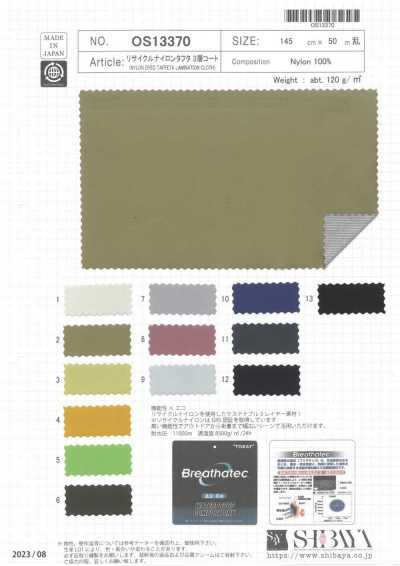
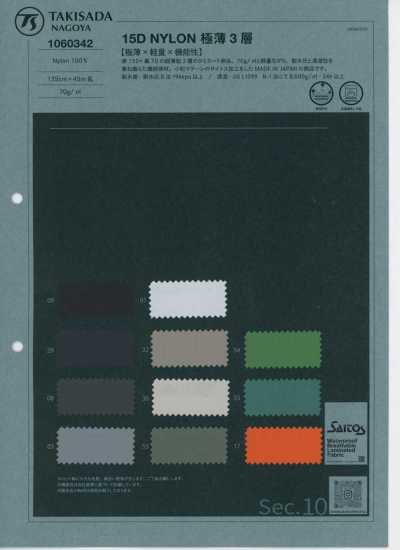
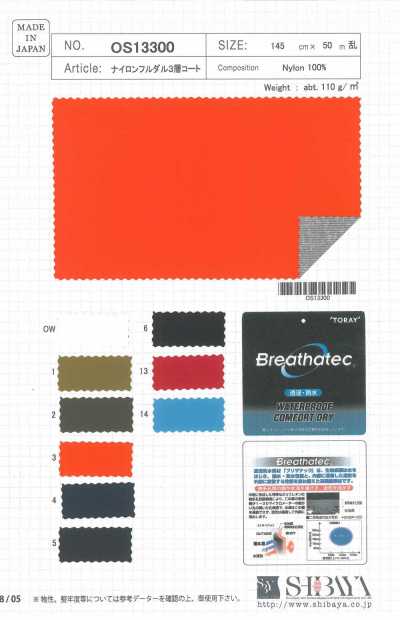
2-layer / 3-layer
2-layer / 3-layer refers to a layered fabric structure classification that shows how the outer fabric, a functional layer such as a waterproof breathable membrane, and the backing material are laminated together.
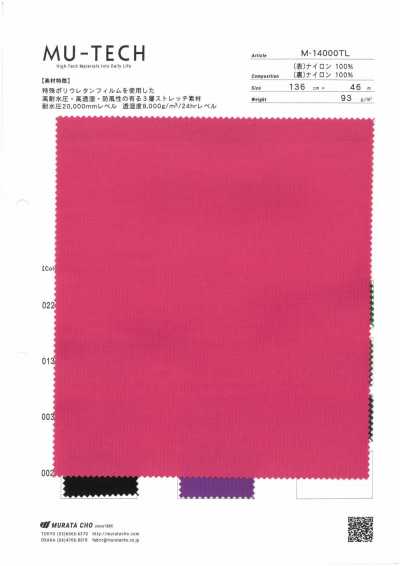
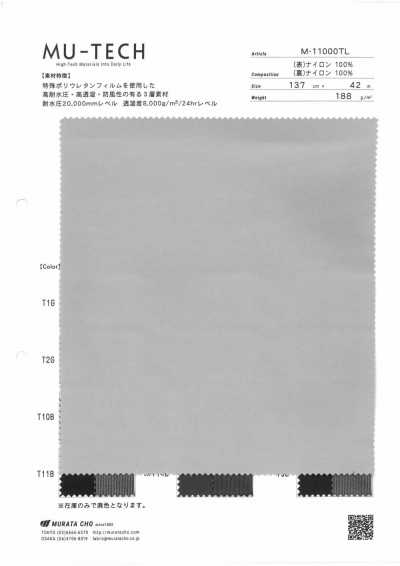
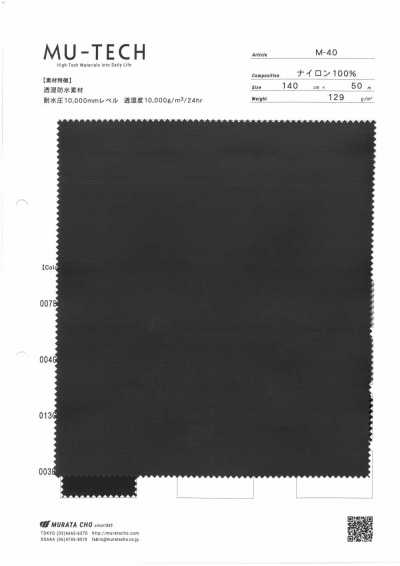
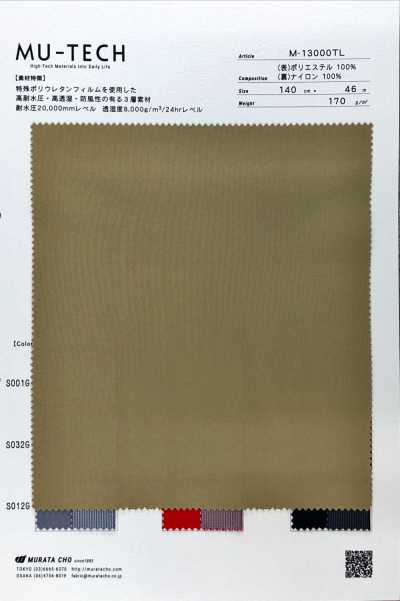
Contents6 sections
Definition and Overview
Layer count is a term used to count the layers that make up a fabric. In general, 2-layer refers to a structure in which the face fabric and the functional layer are laminated together, while 3-layer refers to a structure in which the backing material is also laminated as one piece. The functional layer may use a membrane with waterproof and moisture-permeable properties.
2.5-layer is a structure in which a thin protective print or an embossed finish is applied to the back side of the face fabric and functional layer. Because no separate lining is laminated, it is sometimes treated as an intermediate specification between 2-layer and 3-layer.
Features
Because the layers are integrated, 3-layer fabrics have a relatively clean back side and are structured to reduce rubbing against the skin or inner layers. Light weight, durability, and softness vary greatly depending on the materials and design of the face fabric, membrane, and backing material.
2-layer fabrics are often designed with a separate lining or mesh on the back side, allowing the lining to adjust comfort, warmth, and appearance. On the other hand, the overall product including the face fabric, functional layer, and lining may become bulkier and heavier.
Because 2.5-layer fabrics can omit the lining, they are easy to make lightweight and compact, but depending on the protective finish on the back side, they may feel sticky or uncomfortable when sweating.
Main Applications
They are used for outerwear, rainwear, and blousons that require waterproofing, wind resistance, and moisture permeability. 3-layer fabrics are chosen for applications such as mountain climbing and cycling, where both protection from rain and wind and ease of movement are important.
2-layer fabrics are suited to items such as town-use coats and jackets, where a lining is used to improve appearance and wearing comfort. 2.5-layer fabrics may be used for rain jackets and lightweight outerwear that emphasize portability.
The number of layers does not directly determine the season. The suitable temperature and usage situation vary depending on the thickness of the face fabric, whether there is a lining or quilt batting, breathability, and layering during wear.
Selection and Handling Precautions
When selecting, do not judge by the number of layers alone; check the required waterproofing, moisture permeability, breathability, stretchability, and abrasion resistance of the face fabric. For products that need to prevent water from entering through the seams, also consider the seam tape specification.
Always wash according to the care label on the product. Dirt and body oils may affect water repellency and moisture permeability, so clean appropriately and, if necessary, restore water repellency. High-temperature drying, strong friction, and direct ironing may damage the membrane or adhesive layer.
When cutting and sewing, take into account that needle holes can affect waterproofing. Avoid pinning on the surface, resewing, and excessive concentration of seams, and it is important to test sewing conditions and tape bonding conditions in advance to check for peeling and puckering.
Differences from Similar Terms
Double weave is a woven structure in which two woven fabrics are interlocked to make one fabric. By contrast, 2-layer and 3-layer refer to a laminated structure in which the face fabric and functional layer are bonded together, so the purpose of counting layers and the manufacturing method are different.
Lamination and bonding refer to processing methods in which a membrane or another material is laminated together. 2-layer and 3-layer are terms used to indicate the layer composition of fabrics made by such processing. Water-resistant and breathable is a term for performance, and does not itself mean the number of layers.
Frequently Asked Questions
Does 3-layer always mean waterproof and breathable?
Not necessarily. 3-layer is a term for a structure in which three layers are integrated, and the materials and functions of each layer differ from product to product. If waterproofing or breathability is required, check the performance labeling, test values, and seam tape specification for the seams as well.
Which is warmer, 2-layer or 3-layer?
The number of layers alone cannot be used to compare warmth. 3-layer has a structure in which the backing material is integrated, but unless it includes quilt batting or a thermal lining, it is not necessarily warmer. Judge it together with the thickness of the face fabric, lining, quilt batting, and layering with innerwear.
Can 3-layer fabric retain waterproofing after sewing?
Because needle holes are created, stitching alone may allow water to penetrate through the seams. For products that require waterproofing, use a suitable seam tape and confirm the bonding conditions such as temperature, pressure, and time according to the fabric.