Pashmina
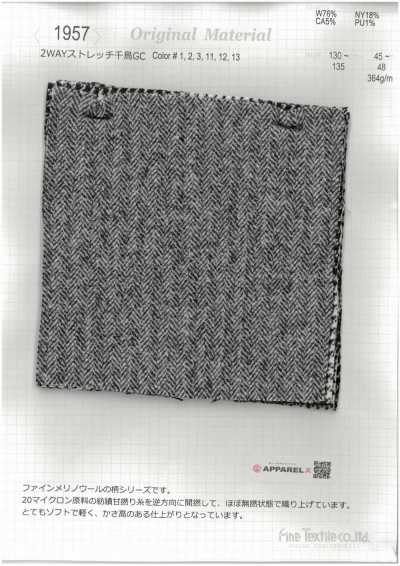
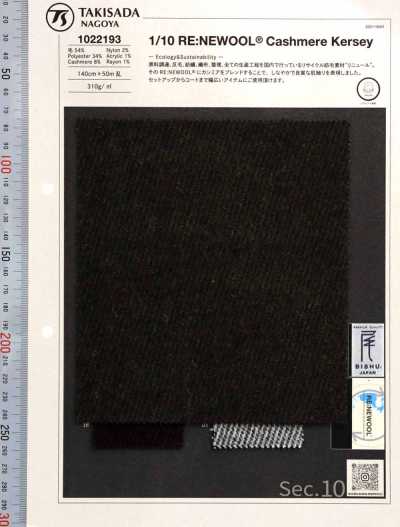
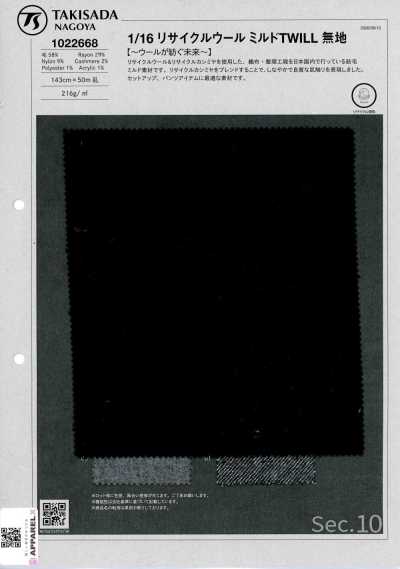
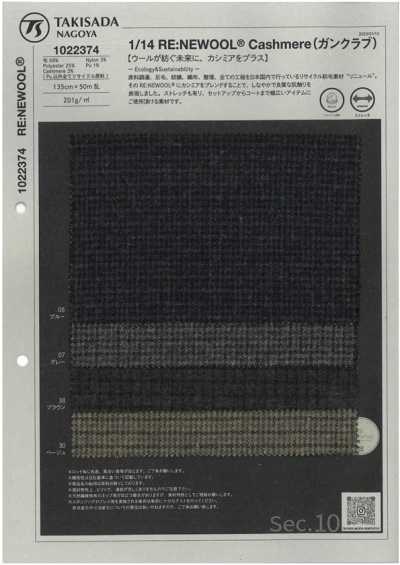
Pashmina refers to a high-quality cashmere material or fabric derived mainly from the fine, soft wool of cashmere goats that live in the Himalayan region.
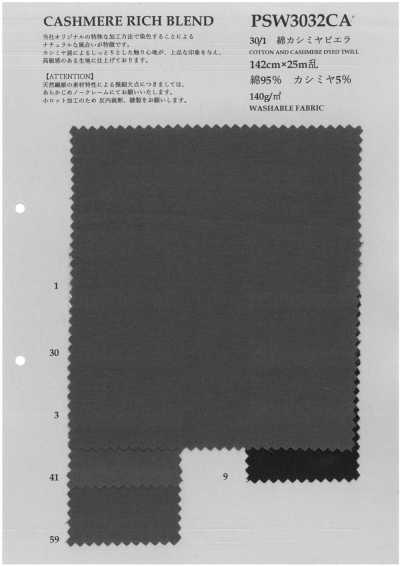
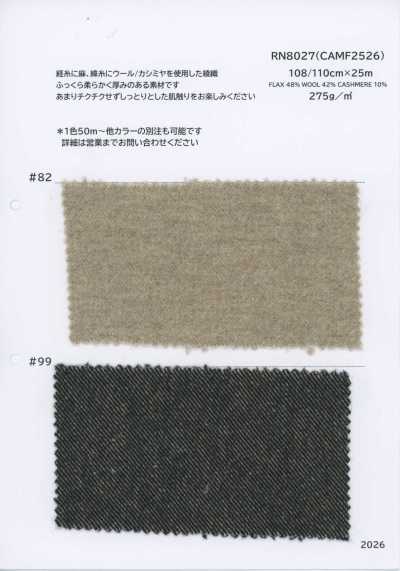
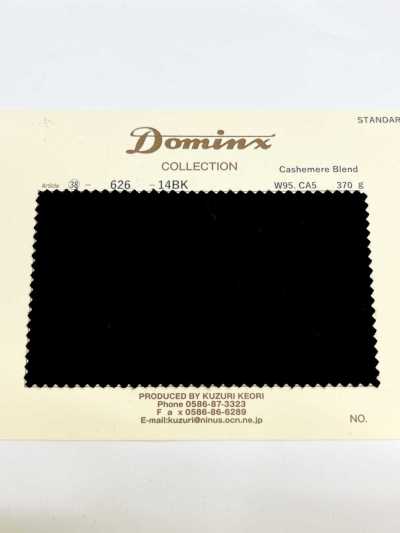
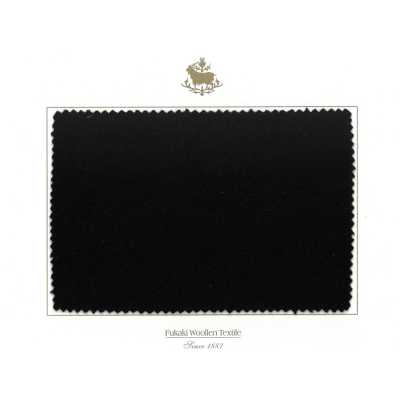
Contents6 sections
Definition and Overview
Pashmina is the material name for fibers obtained from cashmere goats, derived especially from the fine, soft wool. Broadly, it is also used to refer to products and fabrics such as scarves and shawls made from this material.
It is not a name that describes a weaving method or fabric structure. Even among items called pashmina, thickness, texture, and ease of handling vary depending on the cashmere blend ratio, yarn thickness, weave density, and whether silk or other materials are blended in.
Characteristics
Its fibers are fine, supple, and tend to have a smooth, silky feel. Even with a lightweight finish, it can trap air easily and is expected to provide warmth. While its sheen is restrained, it is a material that often gives a delicate and elegant appearance.
On the other hand, fuzzing and pilling caused by friction may occur. In lightweight woven fabrics, snags, yarn slippage, and fraying at the edges also require attention. Durability depends on fiber quality, twist, weave structure, and blended materials.
Main Applications
Pashmina is often used for scarves, shawls, and mufflers that wrap around the neck and shoulders. Taking advantage of its lightness and warmth retention, it is used not only for keeping warm in autumn and winter, but also for protection against air conditioning and as a wrap for formal wear.
Depending on the fabric thickness and blend ratio, it is also used for knits, cardigans, sweaters, lightweight outerwear, and accessories. For items that make use of drape, the design should confirm the graceful fall and delicate surface texture.
Selection and Handling Precautions
When selecting, do not judge by the name pashmina alone; confirm the blend ratio, fabric weight, thickness, weave structure, width, and washing instructions. Fabrics blended with materials other than cashmere differ in strength, sheen, price range, and care method, so they must be matched against the performance required for the application.
Washing with water may cause shrinkage, felting, and changes in texture. Follow the washing instructions for each product, and in general avoid friction and vigorous rubbing. Before storage, remove dirt, take pest-prevention measures, and store the item in a shape that is less likely to lose form.
In sewing, thin or fuzzy fabrics can shift easily, and seam puckering or seam biting may become noticeable. Check the needle, thread, presser-foot pressure, and feed conditions with a test stitch, and if necessary, consider a lightweight interlining or reinforcing fabric.
Differences from Similar Terms
Cashmere is the general name for fibers made from cashmere goat wool. Pashmina is used to refer to especially fine, soft wool or shawls made from it, but its usage in distribution and trade varies widely.
Wool is often used as a general term for animal fibers centered on sheep wool, and the source animal differs. Pashmina is not the name of a wool fabric; it is mainly a term related to cashmere-based materials.
Frequently Asked Questions
Are pashmina and cashmere the same?
Both are terms related to cashmere goat wool, but they may not be treated as completely synonymous. Cashmere is used as a fiber name, while pashmina may refer especially to fine, soft wool or to scarves and shawls made from it. Check the blend ratio on the label.
Can pashmina be washed at home?
Whether home washing is possible depends on the material composition and product specifications. Items mainly made of cashmere carry the risk of shrinkage, felting, and fuzzing when washed with water. Always check the washing instructions, and if water washing is not allowed, choose professional cleaning.
What are the precautions when sewing pashmina fabric?
Thin, soft pashmina can show seam misalignment, needle holes, and seam distortion. Before cutting, align the grain and check for fraying at the edges. Before mass production, it is important to test stitch on the actual fabric and adjust the needle, thread, and feeding conditions.