


PFAS Regulations
PFAS regulations are a general term for regulations that control the manufacture, use, content, and sale of groups of organic fluorine compounds that may be used for water repellency, stain resistance, and similar purposes, with the rules varying by country and region.
Contents6 sections
Definition and Overview
PFAS is a general term for a group of many organic fluorine compounds. Some substances are viewed as problematic because they are difficult to break down in the environment, and regulations and controls are being advanced in countries and regions around the world. PFAS regulations are not a single certification system, but a practical management issue that includes laws and regulations, local government rules, and customer standards.
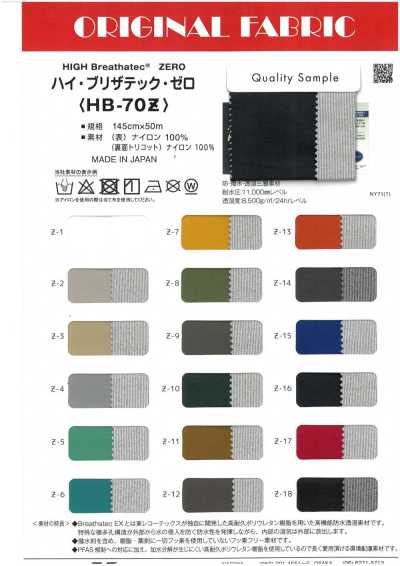
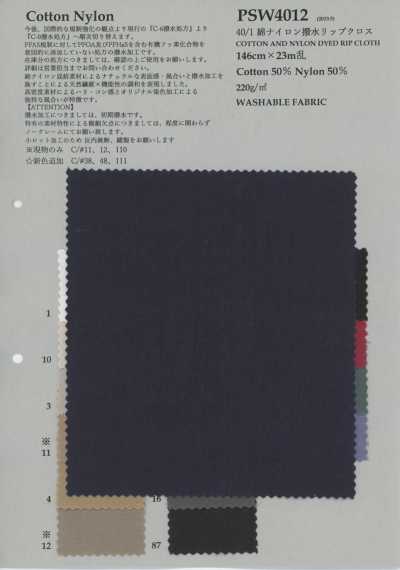
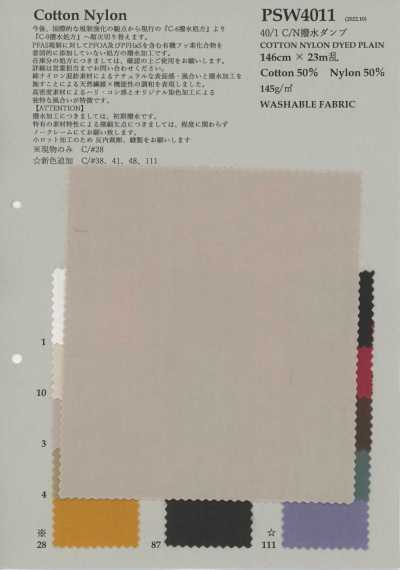
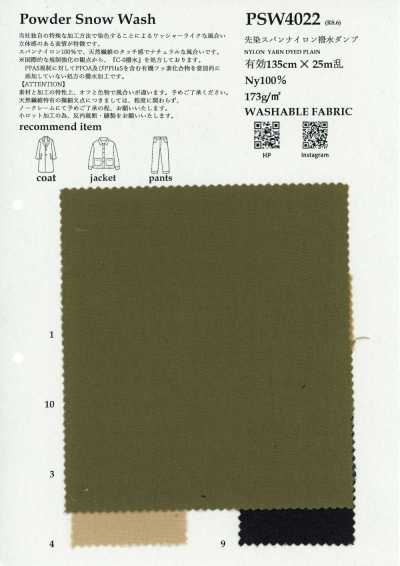
In apparel fabrics, they are mainly related to processing agents, coating agents, pigments, and printing materials that add functions such as water repellency, stain resistance, and oil resistance. However, not all water-repellent products contain PFAS, and whether they are contained cannot be determined by the processing name alone.
Approach to Scope and Standards
The target substances, the content of prohibitions or restrictions, the way concentration is assessed, and the applicable products and timing vary depending on the country or region of the destination market. Some regulations target individual substances such as PFOA, while others are moving toward managing a broader range of PFAS.
“Not intentionally added” is an expression meaning it is not added in the manufacturing formulation. On the other hand, non-containing, regulatory compliance, and below a specific standard value each have different verification scopes and bases. Not intentionally added alone does not guarantee compliance with every regulation.
- Destination country or region and shipping time
- Target substance group or individual substance
- Verification scope including fabric itself, processing agents, prints, and accessories
- Basis for determining regulatory compliance and test subjects
Checks in Fabric Procurement and Product Development
When procuring fabric, confirm whether it has functional finishes such as water repellency, stain resistance, oil resistance, coating, or lamination, and communicate the PFAS management conditions required by the destination market specifically to the fabric supplier. When the color, lot, or processing method changes, rechecking is necessary because the formulation may change even for the same product number.
For finished products, not only the outer fabric but also the lining, interlining, tape, zipper, print, and adhesive may be within the verification scope. It is useful in practice to state the target market, target substances, verification method, and contact conditions when changes occur in the specification sheet, and manage them linked with the documents obtained from suppliers.
Notes on Labels and Certificates
Statements such as PFAS regulation compliant, PFAS-free, and fluorine-free must match the scope of the supporting documents. Be careful not to label information about a specific processing agent as meaning that the entire product complies with all PFAS regulations.
When receiving a declaration of conformity, test report, or chemical substance information, check the target product, target lot, target substances, test method, issue date, and judgment criteria. Obtaining a certificate does not necessarily guarantee legal compliance, so it is necessary to compare it with the requirements of the destination market.
Differences from Similar Terms
C0 water repellency is a term generally used to refer to water-repellent formulations that do not use organic fluorine. However, PFAS regulations are not limited to water-repellent processing and are a concept that deals with target substances and legal requirements. Even with C0 water repellency, verification documents for the required market and management of the entire product are separately necessary.
The REACH Regulation is the framework in the European Union for the registration, evaluation, authorization, and restriction of chemical substances. PFAS is one of the groups of substances that may become subject to regulation within it, but the term PFAS regulations is used to refer to multiple laws and regulations, including those outside Europe.
Frequently Asked Questions
If the fabric complies with PFAS regulations, can it be sold in any country?
This cannot be determined uniformly. PFAS regulations differ depending on the country or region, enforcement timing, product application, and target substances. Compare the scope described in the fabric documents with the laws, regulations, and customer standards required by the actual destination market, and if necessary, confirm it as a finished product.
Should water-repellent processing be considered to contain PFAS?
You cannot determine that based only on whether or not it is water-repellent. There are both formulations that use PFAS and formulations that do not. Rather than deciding based on the processing name or product description alone, it is important to confirm using supplier documents that state the processing agent information, whether it was intentionally added, and the target substances.
Do PFAS-free and not intentionally added mean the same thing?
It is safer not to treat them as the same. Not intentionally added indicates management content that it is not added during manufacturing, but PFAS-free may involve the scope of target substances and detection criteria. In labeling, clarify the definition adopted and the scope of supporting documents.





