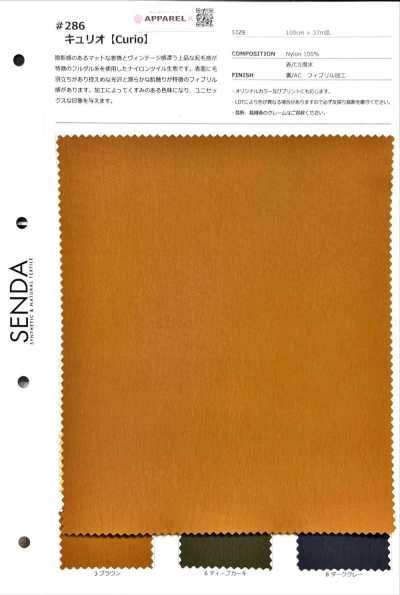
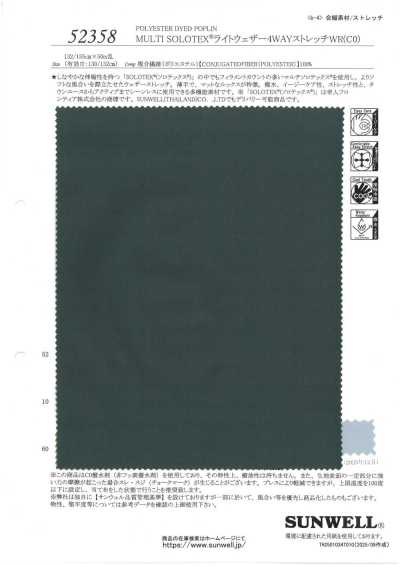
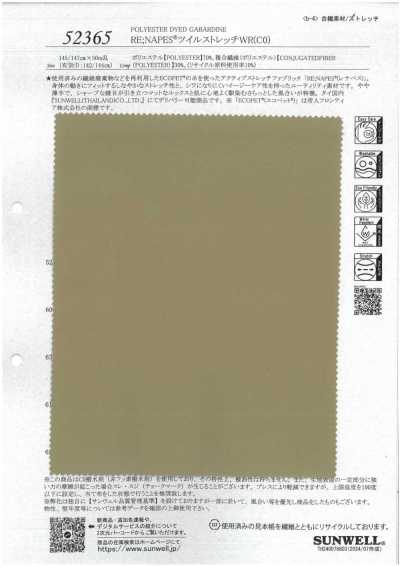
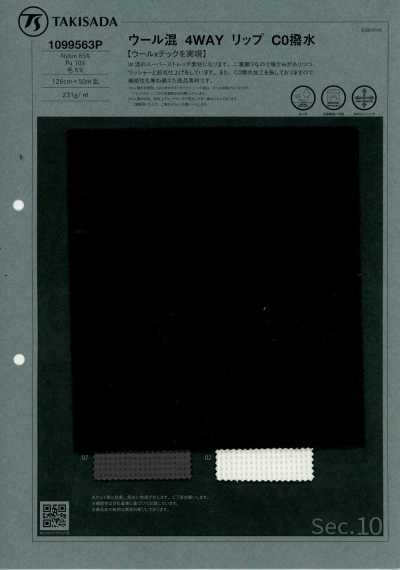
C0 Water Repellency
C0 water repellency is a water-repellent finish that is considered PFAS-free and gives the textile surface water-shedding properties using a fluorine-free formulation.
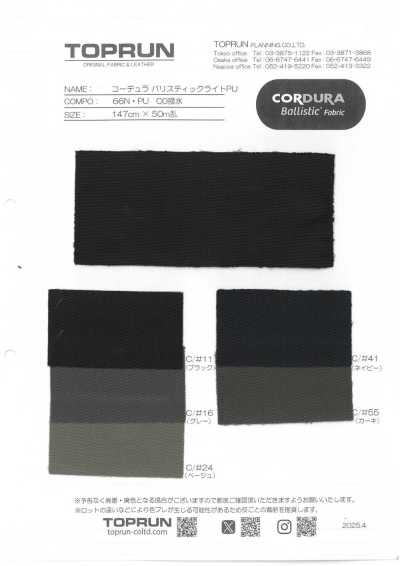
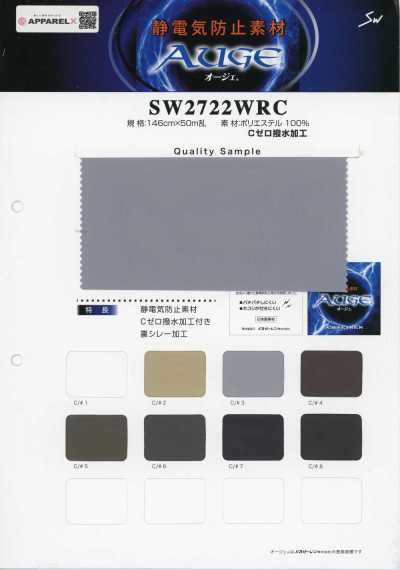
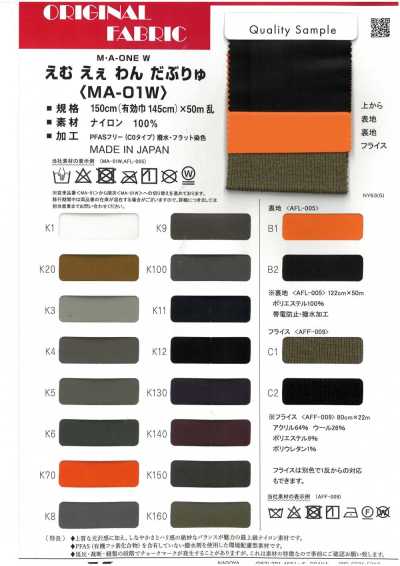
Contents6 sections
Definition and Overview
C0 water repellency is a water-repellent finish generally applied without using fluorine-containing water-repellent agents. The C in C0 comes from the fluorinated carbon chain used in water-repellent agents, and C0 refers to a formulation that does not contain a fluorinated carbon chain. It is not a name indicating the type or weave of the textile itself.
It is a finish that makes water droplets bead up and roll off the surface more easily, and it is different from waterproofing, which completely prevents water from entering. For products that require waterproof performance, consider the textile structure, coatings or films, and seam specifications as well.
Features
C0 water-repellent textile is characterized by its ability to help reduce wetting from raindrops and light splashes, while maintaining an appearance in which the surface is less likely to get wet. However, the effects on water repellency, hand feel, and breathability vary depending on the base material, density, and finishing formulation.
Compared with conventional fluorine-based water-repellent finishes, oil-repellent performance and water repellency retention after washing are not necessarily equivalent. It is important to check separately the required water repellency level, wash durability, and stain resistance for the intended applications.
Main applications
It is used for outerwear, blousons, pants, skirts, bags, and sports and outdoor apparel, from lightweight to medium-weight woven fabrics and knits. It is also suitable for everyday wear and light garments where resistance to light rain, dew, and dirt is desired.
In spring and summer, it is used for lightweight shirting, typewriter cloth, and taffeta, while in autumn and winter it is also used for outerwear textiles and linings. Actual suitability is judged by combining the textile's water resistance, breathability, and abrasion resistance with the product's wearing environment.
Selection and handling precautions
When selecting, do not judge performance by the PFAS-free label alone; check the water repellency rating, wash durability, performance after friction, and dry-cleaning suitability for each textile. The required specification differs depending on whether the item will encounter water droplets or be worn in the rain.
Water repellency may gradually decline due to washing, friction, skin oils, or detergent residue. Follow the textile care label, and if necessary, confirm in advance whether performance can be restored by low-temperature heat treatment. Avoid excessive heat for heat-sensitive materials and resin-finished products.
C0 water repellency is usually a surface finishing treatment, so it does not determine shrinkage by itself. However, wash shrinkage depends on the base material and finishing conditions. Before sewing, check for color differences within the roll, fading, and uneven water repellency around the seams.
- Adjust sewing needles and machine settings to match the thickness and density of the base material.
- For products that need to prevent water ingress through seams, separately consider the sewing specification and seam tape.
- When product washing, pigment printing, adhesive processing, or similar processes are performed, check the effect on water repellency through prior testing.
Differences from similar terms
Water-repellent finish is a general term for surface finishes that repel water, and C0 water repellency refers to a formulation that does not use fluorine-based compounds among them. On the other hand, waterproof and breathable is a functional design that allows water vapor to pass through while preventing water ingress, and is handled as a composite specification that includes films and coatings.
PFAS-free, PFC-free, and non-fluorine water repellency are used with similar meanings, but the scope of the chemical substances covered and the basis for labeling may differ depending on the supplier or product. When adopting it, confirm what scope is covered by the label.
Frequently asked questions
Is C0 water repellency a waterproof textile?
C0 water repellency is mainly a treatment that makes it easier for water droplets to bead up on the textile surface, and it does not guarantee waterproofing. In heavy rain or during prolonged wear, water may enter through seams or the textile itself. If waterproof performance is required, check the water pressure resistance, film or coating, and seam treatment.
Does the effect of C0 water repellency wear off with washing?
Water repellency may decrease due to washing, friction, and dirt adhesion. The degree of decline varies depending on the finishing formulation, base material, and washing method. Follow the care label, and check whether heat treatment can restore performance for each textile. If durability is required, check the performance values after washing tests.
Do PFAS-free and C0 water repellency mean the same thing?
C0 water repellency generally indicates a water-repellent finish that does not use fluorine-based compounds, and it may be listed together with PFAS-free. However, the scope of PFAS-free and the verification method may differ depending on the party making the claim. In specifications and quality documents, confirm the scope of the substances covered and whether supporting documentation is available.